
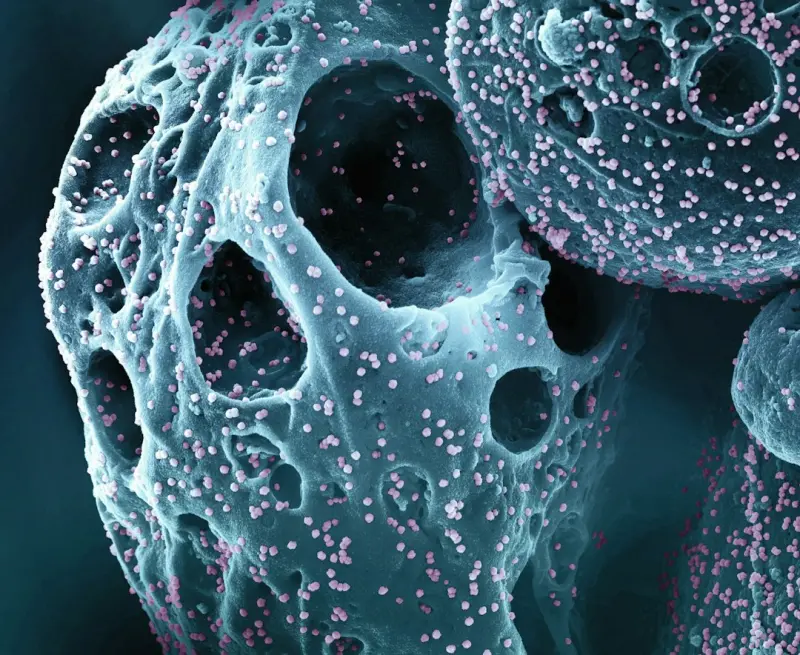
Why Real‑Time Feedback Matters in Cancer Care
When I first sat beside a friend undergoing chemotherapy, I watched the clock tick in a way I never had before. The minutes stretched, the breaths were shallow, and the conversation was punctuated by sudden bursts of pain or fatigue. In that moment, I realized that cancer treatment is often a static script—dozens of cycles of chemo, radiation, or surgery, each decided weeks in advance, with little room for the patient’s moment‑to‑moment experience. The old model assumes that a once‑a‑month clinic visit can capture the whole story of a disease that evolves daily, even hourly.
Today, technology, data science, and a growing emphasis on patient empowerment are converging to rewrite that script. Real‑time feedback—whether from wearable sensors, mobile health apps, or patient‑generated narratives—offers a dynamic, responsive loop that can adjust therapy, mitigate side effects, and ultimately improve survival. In this post I’ll walk through the emerging ecosystem, explore why it matters, and share practical steps for clinicians, patients, and innovators who want to be part of the shift.
The Tumor Microenvironment Is a Conversation, Not a Monologue
The tumor microenvironment (TME) is a bustling ecosystem of cancer cells, immune cells, fibroblasts, blood vessels, and signaling molecules. Historically, we have sampled the TME through biopsies—snapshots taken at a single point in time. Those snapshots are invaluable, yet they miss the dynamic chatter between cells that can dictate whether a tumor shrinks, grows, or becomes resistant.
Recent research suggests that monitoring metabolites, cytokines, and even microbial by‑products in real time could reveal early warnings of resistance. For instance, shifts in the gut microbiome have been linked to how patients metabolize chemotherapy drugs. By pairing wearable biosensors that track skin temperature, heart rate variability, and sweat composition with periodic liquid biopsies, clinicians can watch the TME “talk back” and intervene before a full‑blown relapse.
Imagine a future where a patient’s smartwatch detects a subtle rise in nocturnal heart rate variability—a possible sign of systemic inflammation—and automatically alerts the oncology team. The team could then order a rapid blood test for inflammatory markers, adjust a supportive medication, or schedule a tele‑visit, all before the patient even feels a change.
Wearables and the Data Streams That Keep Pace With Life
Wearable technology has moved far beyond step counting. Modern devices can capture continuous streams of physiologic data: electrodermal activity, blood oxygen saturation, even real‑time glucose trends. When integrated into oncology, these data streams become a living diary of how a treatment is affecting the whole person, not just the tumor.
Consider fatigue—a common, often debilitating side effect of chemotherapy. Traditional grading scales rely on patient recall at clinic visits, which can be biased by recall error or a desire to please the physician. A wearable that measures activity levels, sleep architecture, and heart rate variability provides an objective, longitudinal view of fatigue. Machine‑learning models can then flag when a patient’s fatigue is trending upward, prompting a preemptive dose adjustment or the introduction of supportive care such as exercise physiology or nutritional counseling.
These data streams also empower patients. A mobile app that visualizes one’s own trends can demystify the treatment process, turning vague sensations into concrete metrics. This empowerment is not just psychological; studies show that patients who actively monitor their health data tend to adhere better to medication schedules and report higher quality of life.
Patient‑Generated Narratives: The Untapped Gold Mine
Numbers tell one part of the story, but language tells another. Patient‑generated narratives—whether through structured symptom diaries, voice recordings, or community forums—capture the nuances of lived experience that sensors cannot. The tone of a journal entry, the choice of words, even the pauses in a voice note can reveal emotional distress, anxiety, or emerging side effects.
Natural‑language processing (NLP) tools can now analyze these narratives at scale, extracting sentiment, identifying emergent symptom clusters, and even predicting hospital readmission risk. When a patient writes, “I’ve been feeling a heaviness in my chest after lunch,” an NLP engine trained on oncology data could flag possible cardiotoxicity from certain chemo agents, prompting an early cardiac evaluation.
Integrating narrative analysis with physiological data creates a multimodal picture of the patient’s state. This holistic view can guide clinicians to personalize supportive care—perhaps prescribing a mindfulness app for anxiety that spikes in the narrative data while adjusting a medication dosage based on sensor‑derived fatigue metrics.
Designing Adaptive Treatment Loops
Adaptive treatment loops close the feedback cycle: data collection → analysis → decision → intervention → new data. In oncology, this loop can be built around three pillars:
- Continuous Monitoring: Wearables, at‑home blood kits, and digital diaries feed real‑time data.
- Intelligent Interpretation: AI models trained on large oncology datasets identify patterns and generate risk scores.
- Responsive Action: Clinicians receive alerts, discuss options with patients via telehealth, and adjust regimens on the fly.
One practical example is dose titration of oral targeted therapies. Instead of a fixed dose, a patient’s blood pressure, heart rate, and symptom diary are monitored daily. If the system detects early signs of hypertension—a known side effect—the dose is automatically reduced, and an antihypertensive is prescribed, all without waiting for the next clinic visit.
This loop also supports clinical trials. Adaptive trials can use real‑time biomarkers to assign patients to the most promising arms, accelerating drug development and reducing exposure to ineffective treatments.
Community Data Hubs: Turning Individual Stories Into Collective Wisdom
Individual data points are powerful, but when aggregated across thousands of patients, they become a predictive engine. Community data hubs—secure, patient‑controlled platforms where individuals can share sensor data, side‑effect reports, and narratives—are emerging as a new form of “real‑world evidence.”
These hubs can be built on blockchain or federated learning architectures to protect privacy while still allowing researchers to train robust models. For example, a hub might reveal that a subset of patients with a particular genetic variant experience severe neuropathy with a specific chemotherapy. Armed with that knowledge, oncologists can preemptively modify treatment for future patients with the same variant.
Importantly, community hubs democratize research. Patients can opt‑in to share data, earn tokens, and see the impact of their contributions in real time, fostering a sense of agency that traditional clinical trials often lack.
Practical Steps for Clinicians Ready to Embrace Real‑Time Feedback
- Start Small, Scale Fast: Pilot a wearable program with a subset of patients receiving high‑toxicity regimens. Use off‑the‑shelf devices that integrate with existing EMR APIs.
- Standardize Data Capture: Adopt validated symptom diaries or apps that feed structured data into the EMR, ensuring consistency across the care team.
- Leverage Existing Knowledge Bases: Incorporate insights from daily detox strategies to counsel patients on nutrition and lifestyle habits that can mitigate treatment side effects.
- Partner With Data Scientists: Co‑design AI models that respect clinical workflow, providing alerts that are actionable rather than overwhelming.
- Educate Patients: Conduct brief workshops on interpreting their own sensor data, emphasizing that trends—not single readings—guide decisions.
- Build Feedback Loops Into Protocols: Update institutional guidelines to include criteria for dose adjustments based on real‑time metrics.
Patient Empowerment: Turning Data Into Personal Insight
For patients, the transition to a data‑rich environment can feel like stepping into a science‑fiction novel. But the goal is simple: give you a clearer map of your own body’s responses. By regularly reviewing your sleep patterns, activity levels, and symptom logs, you can spot early warning signs and discuss them with your care team before they become crises.
Tools that combine detox‑focused lifestyle recommendations with real‑time biometrics can also help maintain organ health during aggressive therapy. Simple interventions—hydration reminders, gentle yoga routines, or dietary tweaks—can be suggested automatically when the system detects elevated stress markers.
Remember, data is a partner, not a replacement for professional judgment. Use it to ask better questions: “My heart rate is higher than usual; could this be a side effect of my medication?” Rather than feeling overwhelmed, you become an active participant in the therapeutic conversation.
Looking Ahead: A Culture of Continuous Learning
The shift toward real‑time feedback in cancer care is more than a technological upgrade; it is a cultural transformation. It requires clinicians to trust data streams, patients to engage with their own metrics, and health systems to build infrastructure that respects privacy while fostering collaboration.
When we succeed, cancer treatment becomes a dialogue—a two‑way conversation where the tumor, the patient, and the care team all speak, listen, and adapt together. That is the future I envision, and the future we are already glimpsing in early adopters worldwide.
By embracing continuous monitoring, intelligent analysis, and community data sharing, we can turn the static script of cancer therapy into a living, breathing story of resilience, adaptation, and hope.

Lifan Chen is a freelancer based in Toronto specializing in marketing. With expertise in crafting effective marketing strategies and campaigns, Lifan helps businesses grow their brand presence and reach target audiences. As a Toronto-based freelancer, Lifan combines local market insights with creative marketing skills to deliver tailored solutions for clients.
Related Posts

When Cancer Meets Curiosity: Designing Resilience Beyond Treatment
A cancer diagnosis can become a catalyst for redesigning daily life. This article reveals how curios... Read More
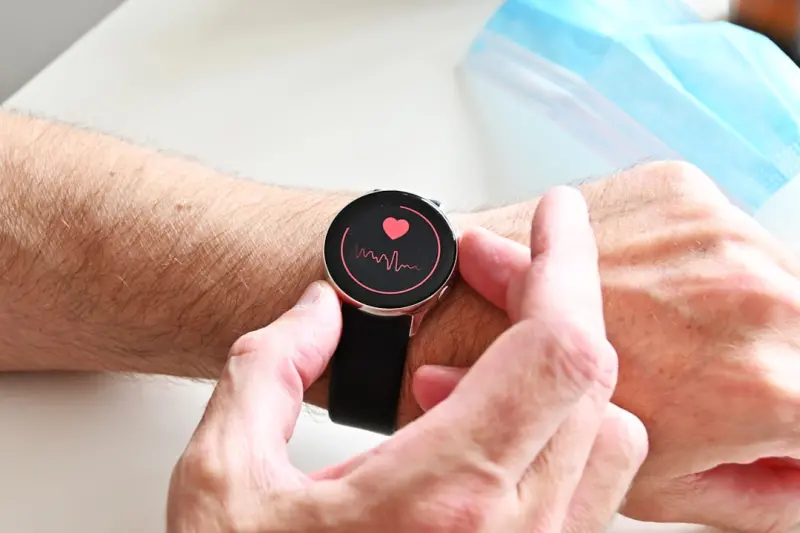
When Sensors Talk: Wearables, AI, and the New Early Detection Era for Cancer
A deep dive into how continuous health monitoring, AI-powered pathology, and gut microbiome insights... Read More

Redesigning the Workplace for Cancer Warriors
A practical guide for leaders to build cancer‑friendly offices, from flexible scheduling and quiet... Read More
Top Posts

Why Purposeful Volunteering Is the Secret Weapon for Healthy Aging
Purposeful volunteering fuels longevity, mental resilience, and physical health in seniors. Learn why purpose matters, how to discover it, and simple ways to in...Read More
Why Gig Workers Need a New Kind of Health Insurance Playbook
A strategic guide for freelancers and gig workers that reframes health insurance from a cost to a competitive advantage, offering actionable steps to secure cov...Read More

Tiny Movement Bursts: Redefining Desk‑Day Wellness
Learn practical tiny movement bursts to break up sedentary work, boost energy, improve focus, and foster a healthier office culture—all without major time com...Read More

Sleep‑Powered Detox: Harnessing Nighttime Recovery for a Cleaner Body
Explore why sleep is the most powerful detox tool, learn evidence‑based habits to amplify your body’s nightly cleansing, and adopt a simple nightly ritual t...Read More
0 Comments
Post Comment
You will need to Login or Register to comment on this post!