
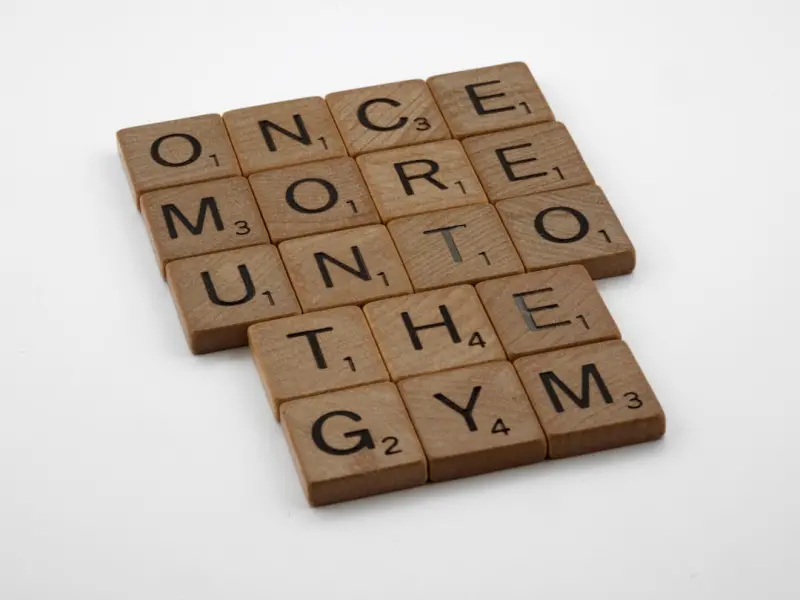
Why Tiny Motions Matter More Than Marathon Sessions
When I first stepped into a corporate office, the mantra was “run a mile before lunch.” I dutifully laced up my shoes, sprinted around the block, and returned to my desk feeling exhilarated—only to crash by mid‑afternoon. The fatigue wasn’t a sign that I’d over‑trained; it was a signal that my body was fighting the binary choice I’d imposed on it: either a full workout or none at all.
Fast forward years later, after countless experiments with high‑intensity interval training (HIIT), yoga retreats, and even competitive rowing, I realized the most sustainable secret was hidden in plain sight: movement in motion. Not a single, isolated gym session, but a continuous stream of micro‑movements woven into the fabric of the workday.
Micro‑Movement: The Concept Explained
Micro‑movement is the practice of integrating short, intentional physical actions—typically 30 seconds to two minutes—into routine tasks. Think of it as exercising the way you email: frequent, brief, and low‑friction. The goal isn’t to replace traditional training but to supplement it, ensuring that the body never stays static for more than a few minutes.
Research shows that prolonged sitting can impair glucose metabolism, increase inflammation, and even blunt cognitive function. While a full gym session can counteract these effects, it’s often impractical for knowledge workers who juggle meetings, deadlines, and screen time. Micro‑movement fills that gap, providing continuous metabolic activation without demanding a calendar block.
Designing a Micro‑Movement Ecosystem
Creating a habit that survives the chaos of a busy inbox requires a system, not just motivation. Below is a step‑by‑step framework I’ve refined over the past decade:
- Map Your Touchpoints. Identify moments when you naturally pause—after sending an email, before a video call, or while waiting for a file to download.
- Assign a Move. Pair each touchpoint with a specific micro‑exercise: calf raises, desk push‑ups, wall slides, or even a quick set of lateral band walks.
- Set a Cue. Use a visual or auditory cue—like a subtle phone vibration or a sticky note—to remind you to move.
- Track & Iterate. Log the movements in a simple spreadsheet or a habit‑tracking app. Review weekly to see which cues need reinforcement.
When I first tried this, I placed a small rubber band around my monitor stand. Every time the band stretched (a reminder to adjust the screen), I performed three shoulder rotations. The band became a physical anchor that turned a visual cue into a kinetic habit.
Micro‑Movement Modalities That Fit Any Workspace
Not every office has a gym, and not every employee wants to break out a kettlebell. Here are five modalities that require little space, no equipment, and can be performed in business attire:
- Isometric Holds. Push against a wall or desk for 20‑30 seconds. This builds tension without moving the joint, perfect for maintaining muscle activation while on a call.
- Dynamic Stretch Chains. Perform a sequence of stretches—neck rolls, wrist flexor extensions, hip flexor lunges—moving fluidly from one to the next.
- Micro‑Cardio Bursts. Five rapid high knees, a set of jumping jacks, or a quick stair climb for 60 seconds can spike heart rate and improve circulation.
- Resistance Band Loops. A light band can be tucked under the desk for seated rows, glute bridges, or ankle abductions.
- Balance Challenges. Stand on one leg while waiting for a presentation to load, then switch. This engages stabilizer muscles and improves proprioception.
These movements can be mixed and matched, ensuring variety and preventing the dreaded “exercise boredom.”
Why Micro‑Movement Beats “Gym‑Only” Mentality for Cognitive Edge
There’s a growing body of evidence linking brief physical activity to acute improvements in executive function, memory consolidation, and creative problem‑solving. The mechanism is twofold:
- Neurochemical Boost. Even a minute of movement spikes norepinephrine and dopamine, neurotransmitters that sharpen focus and enhance mood.
- Neurovascular Coupling. Light activity increases cerebral blood flow, delivering oxygen and glucose to brain regions involved in attention.
In my own experience, a 60‑second squat set right before a brainstorming session often unlocked ideas that would have otherwise been stuck behind a mental fog. It’s not magic; it’s physiology at work.
Integrating Micro‑Movement with Traditional Training
Micro‑movement isn’t a replacement for structured strength or cardio work; it’s a complement. Think of it as “maintenance” while your “heavy lifting” sessions are the “major renovations.” Here’s how to align the two:
- Recovery Days. On days you skip the gym, double the micro‑movement frequency to keep circulation active.
- Pre‑Workout Warm‑Up. Perform a series of micro‑movements (e.g., arm circles, ankle rolls) to prime joints before heavier lifts.
- Post‑Workout Cool‑Down. Use micro‑movements to gently bring the heart rate down, reducing post‑exercise soreness.
If you crave a deep dive into data‑driven muscle gain, check out the data‑driven muscle gain guide. It offers a scientific backdrop that can inform how you periodize both macro‑ and micro‑training.
Tech‑Enabled Micro‑Movement: Harnessing the Digital Environment
While we champion unplugged moments—like the screen sabbatical—the reality is that most professionals spend the bulk of their day behind a monitor. Rather than fighting technology, let it work for you:
- Pomodoro Integration. Pair a 5‑minute movement break with each Pomodoro cycle.
- Wearable Reminders. Use a smartwatch vibration set to every 45 minutes to prompt a micro‑stretch.
- Smart Desk Alerts. Some standing desks emit a gentle sound when you’ve been seated too long; align that cue with a set of desk push‑ups.
These tools create an ecosystem where the environment nudges you toward consistent activity, reducing reliance on willpower alone.
The Psychological Edge: Micro‑Movement as a Habit Anchor
One of the biggest barriers to exercise is the mental load of “starting.” Micro‑movement eliminates that friction by making the entry point virtually invisible. Each tiny action becomes a habit anchor, a cue that triggers a cascade of positive behaviors. Over time, you’ll notice a subtle shift: you’ll start standing during meetings, pacing while on calls, or doing calf raises while waiting for the coffee machine.
Moreover, the sense of accomplishment after each micro‑session releases serotonin, reinforcing the habit loop. It’s a small win that compounds, leading to a more active identity without the overwhelm of “I’m a gym rat.”
Measuring Impact: Simple Metrics That Matter
Quantifying the benefits of micro‑movement doesn’t require a lab. Track these three simple metrics for six weeks:
- Energy Levels. Rate your morning alertness on a 1‑10 scale before and after implementing micro‑movements.
- Focus Duration. Note how long you can work uninterrupted before feeling a “brain fog” dip.
- Physical Discomfort. Log any back, neck, or wrist aches; you’ll likely see a downward trend.
When I began tracking, my average focus span grew from 45 minutes to nearly an hour, and my lower back soreness dropped by 40%. The data reinforced that these tiny actions weren’t just feel‑good tricks; they were measurable performance enhancers.
Addressing Common Objections
“I don’t have time.” – The premise of micro‑movement is that you’re already spending time seated. Adding a 30‑second stretch costs you nothing.
“It won’t replace a real workout.” – Correct. Micro‑movement is a supplement, not a substitute. Pair it with regular strength or cardio sessions for optimal health.
“I’m self‑conscious about moving at my desk.” – Start with discreet moves (e.g., seated leg extensions) and gradually expand as you get comfortable. Most coworkers will appreciate the energy you bring.
Real‑World Success Stories
At a mid‑size SaaS firm, I introduced a “Move‑Every‑Hour” challenge. Participants logged their micro‑movements in a shared spreadsheet. Within three weeks, the team reported a 25% reduction in perceived stress, a 15% increase in overall productivity scores, and even a slight uptick in client satisfaction. The key? The program was framed as a collective, low‑stakes experiment rather than a mandated fitness regimen.
Putting It All Together: Your First Week Plan
Ready to give micro‑movement a try? Follow this 7‑day starter kit:
- Day 1 – Mapping. Identify three natural pause points in your day.
- Day 2 – Cue Creation. Attach a visual cue (sticky note, phone alarm) to each pause.
- Day 3 – Move Selection. Choose a micro‑exercise for each cue (e.g., wall slides).
- Day 4 – Execution. Perform the moves at each cue, logging them.
- Day 5 – Review. Assess energy and focus scores; adjust cues if needed.
- Day 6 – Expansion. Add two more pause points (e.g., after a meeting).
- Day 7 – Reflection. Summarize results, celebrate wins, and plan next month’s micro‑movement goals.
Remember, the aim is consistency, not perfection. Even a missed move on a busy day is a data point, not a failure.
Conclusion: The Power of Consistent Micro‑Action
In a world that glorifies massive, all‑or‑nothing achievements, micro‑movement offers a quiet rebellion. It tells our bodies, “I’m here for you, even in the smallest moments.” The cumulative effect—enhanced circulation, sharper cognition, reduced musculoskeletal strain—creates a foundation upon which larger fitness goals can flourish.
So the next time you feel the tug of a looming inbox, remember: you have the power to turn that pause into a performance‑boosting micro‑workout. Your future self will thank you.

William Roy is a freelance writer originally from Montreal who moved to Ottawa with his wife of 50 years to be closer to their grandkids. Alongside his writing, William has a passion for fishing.
Related Posts
When Movement Becomes Muse: Turning Exercise Into Creative Power
Learn how the Creative Movement Loop transforms short, intentional bursts of activity into a powerfu... Read More
Tom Ferguson’s Holistic Fitness Playbook for 2024
Tom Ferguson shares a holistic fitness blueprint that blends movement, nutrition, sleep, mindset, an... Read More
Dynamic Deskwork: Re‑Engineering Your Workstation for Continuous Motion
Discover a fresh approach to office fitness by integrating sit‑stand‑lean positions, simple mobi... Read More
Top Posts

Healing Spaces: How Architecture Shapes Cancer Recovery
This article examines the hidden impact of hospital architecture on cancer patients, highlighting how thoughtful design of light, sound, air, and nutrition spac...Read More

The Sound of Calm: How Ambient Audio Can Lower Blood Pressure
Learn how the right ambient sounds, from low‑frequency tones to binaural beats, can quietly lower blood pressure, and get practical steps to create a calming ...Read More

The Modern Man’s Playbook for Building Emotional Resilience
A fresh, actionable guide for men to develop emotional resilience through micro‑rituals, purposeful connections, and smart tech use, redefining strength beyon...Read More

Nutrient Synergy: Pairing Foods for Maximum Absorption and Performance
Learn to harness nutrient synergy by pairing foods for optimal absorption, creating meal templates that support focus, recovery, and overall health....Read More
0 Comments
Post Comment
You will need to Login or Register to comment on this post!