
Why Curiosity and Community Are the Hidden Engines of Longevity
When I first stumbled into the world of performance‑optimizing professionals, the conversation always seemed to orbit around what you could measure: calories, steps, heart‑rate zones, even the minutiae of your gut flora. The promise was simple—track more, tweak faster, live longer. But after years of coaching high‑performers, I’ve discovered a quieter, more profound truth: the practices that add decades to our lives aren’t always the ones you can log on a screen.
Longevity, at its core, is a tapestry woven from many threads: genetics, environment, lifestyle choices, and—surprisingly—our relationship with the world around us. In this article I’ll walk you through three under‑appreciated pillars that can stretch your healthspan: purposeful curiosity, deep social connection, and intentional play. I’ll share the science, the stories, and the small‑step tactics you can embed into a packed schedule without feeling like you’re adding another “to‑do”.
1. Purposeful Curiosity: The Brain’s Anti‑Aging Fuel
Curiosity is more than a personality trait; it’s a neurochemical cascade that keeps the brain supple. When you encounter something new—a concept, a skill, or even a different perspective—your brain releases dopamine and norepinephrine. These neurotransmitters not only sharpen focus but also stimulate cognitive resilience pathways that protect against age‑related decline.
- Neurogenesis on Demand. Research shows that learning a novel language or mastering a musical instrument can spark the birth of fresh neurons in the hippocampus, the region responsible for memory consolidation.
- Stress‑Buffering Effects. Engaging with curiosity reduces perceived stress. The act of asking “why?” turns a potential threat into a puzzle, lowering cortisol spikes that, over time, erode telomere length.
- Metabolic Benefits. A curious brain demands more glucose for neural processing, encouraging a balanced blood‑sugar rhythm that supports cellular repair.
How can a busy professional embed curiosity without derailing deadlines? Here are three micro‑habits that take under five minutes:
- Ask One “Why” per Meeting. When a colleague shares an update, follow up with a single, genuine “Why did we choose this approach?” It sparks deeper conversation and forces you to think beyond the surface.
- Micro‑Learning Sprints. Subscribe to a short‑form learning platform that delivers 3‑minute video lessons on topics unrelated to your field. Rotate subjects weekly—biology one week, philosophy the next.
- Curiosity Journaling. At the end of the day, note one thing you wondered about. The next morning, spend two minutes researching it. Over a month, you’ll have a personalized knowledge library and a habit loop that reinforces mental elasticity.
2. Social Connection: The Longevity Super‑Glue
Humans are wired for tribe. Decades of epidemiological data link strong social bonds with reduced mortality, comparable to the effects of quitting smoking. The mechanism is multi‑faceted: shared laughter lowers inflammation, trusted relationships moderate blood pressure, and a sense of belonging improves sleep quality—all essential ingredients for a long, vibrant life.
But in the age of remote work and digital overload, cultivating genuine connection can feel like an optional luxury. I’ve learned that the quality of interaction trumps sheer quantity. Here’s a framework I call the 3‑R Connection Model:
- Ritual. Schedule recurring, low‑stakes touchpoints—a weekly 15‑minute coffee chat, a monthly “book‑swap” lunch, or a virtual game night. Predictability builds trust.
- Reciprocity. Offer help before you ask for it. A brief note congratulating a teammate on a project milestone or sharing a relevant article demonstrates investment in the relationship.
- Reflection. After each interaction, pause to notice the emotional tone. Did you feel energized? Supported? Adjust future engagements based on those cues.
To illustrate, I started a “Curiosity Circle” with five fellow professionals from different industries. Once a month we meet for 30 minutes, each person presents a “spark” they discovered that week—be it a scientific article, a cultural insight, or a personal anecdote. The result? Not only have we deepened our networks, we’ve each reported lower stress levels and a subtle boost in mental clarity.
3. Intentional Play: Turning Work‑Hard Into Life‑Well
Play isn’t just for children. It’s a sophisticated strategy that engages the brain’s reward system, improves motor coordination, and even enhances immune function. When you incorporate play into daily routines, you create “positive stress” (eustress) that primes the body for adaptation without the wear‑and‑tear of chronic stress.
Consider the concept of “micro‑adventure” — short, intentional bursts of playful activity that break up the monotony of the workday:
- Desk‑Based Challenges. Set a timer for 60 seconds and see how many different ways you can stack paper clips or solve a simple puzzle. The rapid brain shift resets attention.
- Movement Play. Instead of a standard walk, turn it into a “scavenger hunt” for specific colors or shapes in the office environment. This adds novelty, a key ingredient for neuroplasticity.
- Creative Micro‑Projects. Allocate 10 minutes a week to a hobby unrelated to your profession—sketching, coding a tiny game, or even brewing a new tea blend. The cross‑disciplinary stimulation fuels divergent thinking, which correlates with better problem‑solving later on.
When you combine play with curiosity, you get a potent longevity cocktail. A playful mindset encourages you to explore, while curiosity ensures that exploration is purposeful and growth‑oriented.
4. Leveraging Technology Without Becoming a Data Slave
Modern tools can amplify these pillars—but only if you wield them wisely. For example, AI‑driven motion capture platforms now offer brief, gamified movement assessments that can flag subtle declines in flexibility or balance—early warning signs for falls later in life. Use these insights to tailor your play sessions, not to obsess over every metric.
Similarly, many wellness platforms now integrate “social dashboards,” allowing you to see who in your network has logged a curiosity sprint or completed a micro‑adventure. Treat these dashboards as encouragement boards, not competition arenas.
5. Putting It All Together: A 30‑Day Longevity Sprint
To make the concepts tangible, try this 30‑day plan. Each week focuses on one pillar, but you’ll weave all three throughout the month.
- Week 1 – Curiosity Kick‑Start. Commit to one micro‑learning sprint per day and log your “spark” in a journal.
- Week 2 – Connection Deep‑Dive. Initiate the 3‑R Connection Model with at least two colleagues. Schedule a virtual coffee and a quick gratitude note.
- Week 3 – Play Activation. Incorporate three micro‑adventures into your workweek. Record how you felt before and after.
- Week 4 – Integration & Review. Review your journal, note patterns, and adjust your habits. Celebrate successes with your curiosity circle.
At the end of the month, you’ll likely notice sharper focus, a lighter mood, and perhaps even a subtle increase in energy. Those are the early signals that your body and mind are aligning toward a longer, more vibrant healthspan.
6. The Long View: From Longevity to Legacy
Extending your years is only part of the equation; the quality of those years matters even more. By nurturing curiosity, forging deep social ties, and embracing play, you create a life narrative that’s rich, resilient, and ready to pass on meaningful lessons to the next generation.
Remember, longevity isn’t a destination—it’s a daily practice. It’s the habit of asking, “What can I explore today?” and the generosity of answering, “How can I support you?” while laughing at a spontaneous office game. When these habits become second nature, you’ll find that the years you add are not just longer—they’re brighter.
Ready to start? Choose one of the micro‑habits above, share your progress in a community forum, and watch how a small shift today can ripple into a lifetime of vitality.

Tammy French is a Montessori Teaching Assistant and freelance writer passionate about education, creativity, and inspiring lifelong learning through engaging content.
Related Posts

Illuminating Longevity: How Light Shapes a Longer, Healthier Life
Learn how strategic exposure to sunrise, evening darkness, and calibrated artificial lighting can re... Read More
Digital Minimalism: The Unexpected Longevity Lever
A deep dive into how constant screen time accelerates aging and how intentional digital minimalismâ€... Read More
Chronotype Alignment: Harnessing Your Body’s Clock for a Longer, Healthier Life
Learn practical ways to identify your chronotype, align nutrition, movement, work, and social routin... Read More
Top Posts

Unlocking Hidden Levers for a Longer, Fuller Life
Explore fresh longevity tactics that go beyond diet and exercise, from syncing your internal clock to building purposeful social networks for a longer, richer l...Read More
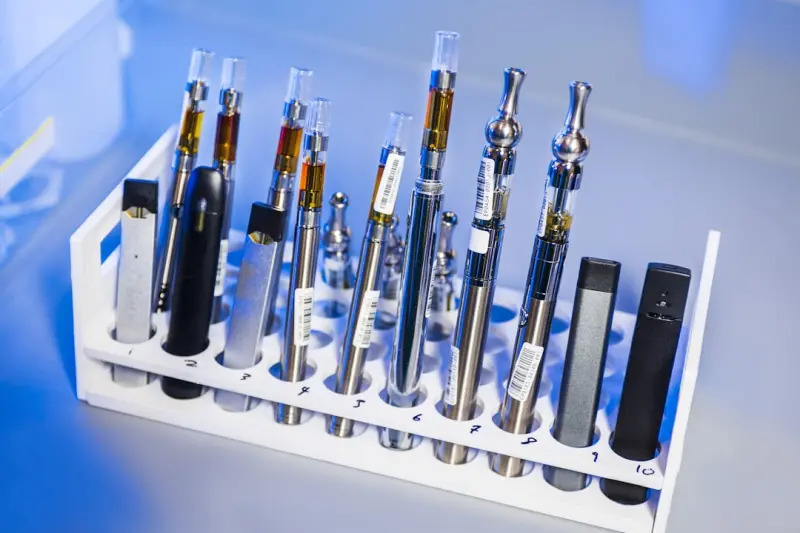
The Hidden Economics of Vaping: Why Price, Policy, and Peer Pressure Matter
A personal look at vaping’s hidden costs—from price tags and policy shifts to social rituals and environmental impact—offering a smarter, balanced path fo...Read More

Unlocking the Hidden Power of Your Health Insurance: A Personal Blueprint
A personal, step‑by‑step guide reveals how to demystify health insurance, leverage hidden benefits, and turn your policy into a strategic health asset....Read More

Playful Aging: Turning Structured Play into a Longevity Super‑Power
Integrating micro‑dance breaks, brain games, and playful meals can trigger neurochemical cascades that improve cognition, metabolism, and stress response—of...Read More
0 Comments
Post Comment
You will need to Login or Register to comment on this post!