
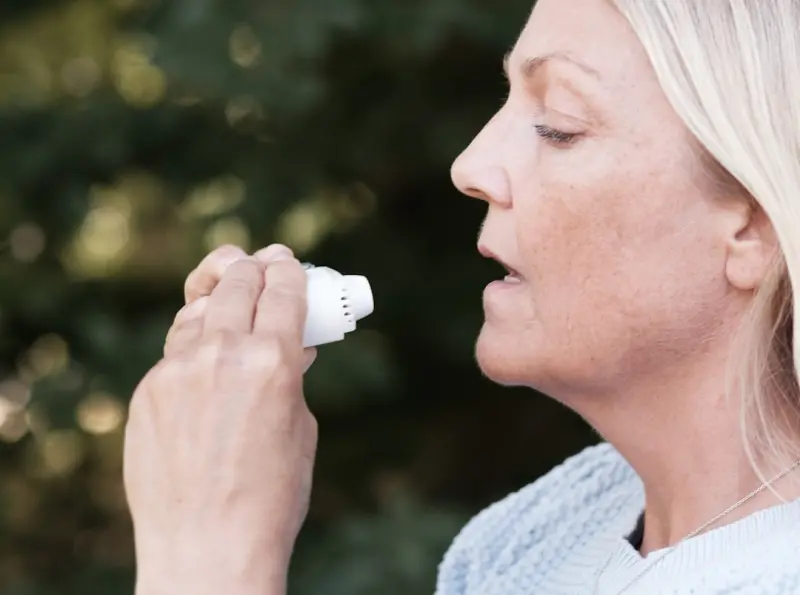
Why Breath Is the Unsung Hero of Whole‑Body Detox
When most people think about detox, the mental image is usually a juice cleanse, a weekend fast, or a pricey supplement regimen. Rarely does the conversation drift toward the act we perform thousands of times a minute—breathing. I’ve spent the last decade dissecting high‑performance habits, and the one tool that consistently resurfaces in the data is the respiratory system. It’s not just a conduit for oxygen; it’s a powerful conduit for eliminating volatile organic compounds (VOCs), carbon dioxide, and even micro‑particulates that hitch a ride on every exhale.
What makes breath a detox powerhouse? The answer lies in the sheer surface area of the alveoli in our lungs—roughly the size of a tennis court. This massive exchange platform provides an ideal stage for off‑loading toxins that are water‑soluble or lipid‑soluble. Unlike the liver or kidneys, which require metabolic processing, the lungs can physically expel certain chemicals in real time, turning a simple inhale‑exhale cycle into a nightly detox ritual.
The Science Behind Pulmonary Purging
Researchers have long documented how airborne pollutants, like benzene and formaldehyde, are captured and expelled through the breath. More recent studies reveal that even endogenous toxins—by‑products of cellular respiration—are eliminated via exhalation. When you engage in deep, diaphragmatic breathing, you increase tidal volume, which means more air passes through the alveolar sacs per breath. This uptick in ventilation accelerates the removal of carbon dioxide and volatile metabolites, effectively “flushing” your internal environment.
But it’s not just about volume. The pattern of breathing matters. Slow, controlled breaths stimulate the parasympathetic nervous system, encouraging lymphatic flow and supporting the liver’s phase‑II detox pathways. Conversely, rapid, shallow breathing—common in high‑stress environments—can trap CO₂ and impede the body’s ability to release waste.
Three Breath‑Based Strategies to Supercharge Your Detox
- Box Breathing for Toxin Release – Inhale for a count of four, hold for four, exhale for four, and hold again for four. This rhythm stabilizes oxygen saturation and maximizes alveolar exchange, giving your lungs a chance to off‑load more toxins with each cycle.
- Alternate Nostril Breathing (Nadi Shodhana) – Balances the hemispheric activity of the brain and enhances the autonomic nervous system’s ability to coordinate detox processes. Practicing this for five minutes before a workout can improve both respiratory efficiency and metabolic clearance.
- Co‑Breathing with Movement – Pair deep diaphragmatic breaths with low‑impact activities like yoga flow or tai chi. The gentle muscular contractions boost circulation, delivering toxins to the bloodstream where the lungs can more readily extract them.
Integrating Breathwork Into Your Daily Routine
Most professionals struggle with “time scarcity.” The good news is that breathwork can be woven into existing habits without demanding a separate time block.
- Morning Desk Reset: Before you sip your first coffee, sit upright, close your eyes, and perform three rounds of box breathing. This primes your lungs for the day’s pollutant exposure.
- Commute Cleanse: If you’re on public transit, use the journey to practice alternate nostril breathing. The rhythmic motion of the vehicle actually helps synchronize breath patterns.
- Screen‑Time Breathing Breaks: Every 45 minutes of screen work, stand, stretch, and exhale fully for ten seconds. This simple pause not only reduces eye strain but also forces a deep exhale, aiding toxin elimination.
Supporting Systems: The Role of Hydration and Nutrition
While breath is a frontline detox tool, it works best when the body’s other elimination pathways are optimized. Proper hydration thins mucus, allowing the lungs to clear particulates more efficiently. Likewise, nutrients like antioxidants (vitamin C, glutathione precursors) protect lung tissue from oxidative stress caused by inhaled toxins.
Consider pairing your breathwork with a blood sugar stabilization plan. Stable glucose levels reduce systemic inflammation, which in turn lessens the burden on the respiratory system.
Environmental Tweaks That Amplify Your Breath‑Based Detox
Even the best breathing techniques can be compromised by a polluted environment. Here are three low‑cost adjustments you can make at home or in the office:
- Air Purifiers with HEPA Filters: Capture particulate matter before it reaches your lungs.
- Houseplants Known for VOC Absorption: Spider plants, peace lilies, and snake plants are natural air scrubbers.
- Ventilation Timing: Open windows during early morning or late evening when outdoor air quality is highest.
When Breath Meets Autoimmune Challenges
If you’re navigating an autoimmune condition, your respiratory system can become a double‑edged sword. Inflammation in the airways can reduce oxygen exchange, making detox less effective. Integrating breathwork with an autoimmune flare‑up management strategy can help you monitor and modulate inflammation in real time. For instance, using a heart‑rate variability (HRV) tracker during breath sessions can signal when your nervous system is shifting toward a more restorative state, which often precedes reduced inflammatory markers.
Measuring the Impact: Simple Metrics to Track Progress
Quantifying a breath‑based detox may feel abstract, but a few objective markers can give you confidence that you’re on the right track.
- Exhaled Nitric Oxide (eNO) Levels: Elevated eNO can indicate airway inflammation. A downward trend suggests improved respiratory health.
- Resting Heart Rate (RHR): Consistently lower RHR after a month of structured breathwork often reflects better autonomic balance and enhanced detox capacity.
- Subjective Energy Scores: Keep a daily log of perceived energy levels. Many practitioners notice a gradual rise in vitality after just two weeks of disciplined breathing.
Common Pitfalls and How to Avoid Them
Over‑Breathing: Hyperventilation can cause light‑headedness and actually reduce CO₂ levels, impairing the body’s acid‑base balance. Stick to the recommended counts and avoid “gasping” for air.
Neglecting Posture: Slouching compresses the diaphragm and limits lung capacity. Align your spine, roll shoulders back, and engage your core to maximize breath depth.
Ignoring Air Quality: Practicing deep breaths in a smog‑filled environment can re‑introduce toxins. Always assess your surroundings before committing to a prolonged session.
Putting It All Together: A 30‑Day Breath‑Detox Challenge
To make the concepts concrete, I’ve designed a simple, no‑equipment challenge that blends the techniques above. The goal is consistency, not perfection.
- Day 1‑7: Three minutes of box breathing each morning.
- Day 8‑14: Add five minutes of alternate nostril breathing before lunch.
- Day 15‑21: Integrate a 10‑minute flow of gentle yoga poses (cat‑cow, child's pose) paired with deep diaphragmatic breaths.
- Day 22‑30: Combine all three practices, extending each session by two minutes. Track eNO, RHR, and energy scores weekly.
By the end of the month, many participants report clearer skin, lighter head pressure, and a noticeable lift in mental clarity—signs that the lungs have successfully off‑loaded a range of hidden toxins.
Final Thoughts: Breath as a Lifestyle Lever
Detox isn’t a one‑off event; it’s an ongoing negotiation between the body and the environment. By reclaiming the simplest, most accessible tool—our breath—we can shift that negotiation in our favor. The next time you feel the urge to grab a pricey supplement, remember that a few intentional breaths can do more for your internal cleansing than a bottle of herbs ever could.
So, inhale purpose, exhale the past, and let each breath become a deliberate act of renewal.

Brody Lambert is an emerging freelance writer whose fresh voice and thoughtful approach are quickly making their mark. As a fairly new entrant in the world of freelance writing, Brody brings a blend of curiosity and dedication that fuels every project, crafting stories and content that resonate with authenticity and clarity.
Related Posts

Reboot Your System: A Fresh Blueprint for Body Detox
A new detox strategy that moves beyond juice cleanses, focusing on kinetic cleansing, respiratory re... Read More

Seasonal Body Detox: Aligning Your Cleanse with Nature’s Rhythm
Learn how to harness the power of spring greens, summer herbs, autumn roots, and winter broths for a... Read More

Unlocking Everyday Body Detox: A Five‑Pillar Blueprint for Sustainable Cleanliness
A holistic, science‑backed five‑pillar system—breath, lymph, microbiome, rhythm, and external ... Read More
Top Posts

Micro‑Movements at the Desk: A Health Blueprint
A practical guide to integrating micro‑movements into the workday, showing how brief, frequent motions can enhance musculoskeletal health, metabolic stability...Read More

The Unspoken Truth About Men's Health: A Holistic Approach to Wellness
Men's health is a complex issue that requires a holistic approach. Learn why prioritizing mental health, nutrition, exercise, and stress management is essential...Read More

Navigating Health Insurance Through a Holistic Lens
A practical guide to rethinking health insurance, blending preventive care, mental health, and holistic services so your coverage truly supports a thriving, who...Read More

Curiosity as a Shield: Rewiring Burnout with Playful Learning
Learn how integrating short, curiosity‑driven micro‑sessions into your daily routine can reduce burnout, improve mental energy, and transform workplace cult...Read More
0 Comments
Post Comment
You will need to Login or Register to comment on this post!