
When I first stepped into the boardroom of a fast‑growing startup, the conversation revolved around quarterly targets, investor decks, and the next big product launch. Somewhere between the buzzwords and the caffeine, a quiet, stubborn issue kept surfacing in one‑on‑one chats: a gut that felt “off.” It wasn’t the dramatic story of chronic IBS or the headline‑grabbing craze of “gut‑brain detox.” It was the subtle, cumulative fatigue that made strategic thinking feel like wading through quicksand.
That experience sparked a personal mission: to decode the practical, performance‑driven side of gut health that most executives overlook. This isn’t about trendy smoothies or the latest probiotic fad. It’s about building a microbial foundation that fuels mental clarity, sustainable energy, and the kind of resilience that lets you thrive under pressure.
Why the Gut Is the Real Silent Partner in Executive Performance
Most leaders think of the gut as a digestive conduit, a place where food goes in and waste comes out. The truth is far richer. The gut houses a bustling metropolis of bacteria, fungi, and archaea—collectively called the microbiota—that communicates with every organ system via neural, hormonal, and immune pathways. When this ecosystem is balanced, it produces short‑chain fatty acids (SCFAs) like butyrate, propionate, and acetate, which fuel brain cells, modulate inflammation, and stabilize blood sugar. When it’s out of sync, you get the mental fog, mid‑afternoon crashes, and even mood swings that can derail high‑stakes negotiations.
Think of the microbiota as a strategic advisory board. It gathers data (what you eat, stress levels, sleep quality), processes it, and sends concise briefs to the brain and immune system. If the board is diverse and well‑informed, its recommendations are sharp. If it’s dominated by a few opportunistic species, the advice becomes biased—leading to sub‑optimal decision‑making.
Fermented Foods: The Unconventional Power Tool
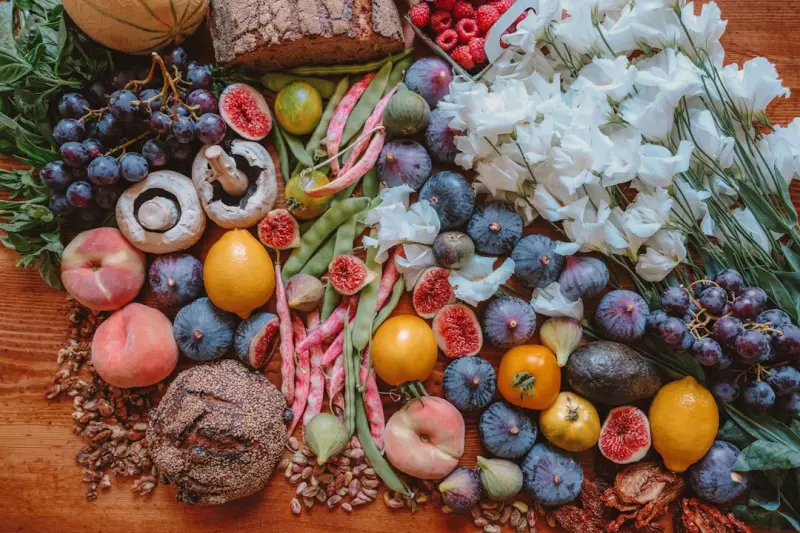
While many executives chase the latest nootropic, the most effective, low‑cost performance enhancer may already be sitting in your pantry: fermented foods. Fermentation is nature’s way of pre‑digesting food, turning complex carbohydrates into readily absorbable nutrients and, crucially, populating the gut with live cultures.
- Kefir – A milk‑based probiotic that delivers a broad spectrum of bacteria and yeasts, plus a natural dose of vitamin K2, which supports bone health and vascular function.
- Kimchi – This spicy cabbage concoction is a powerhouse of lactic‑acid bacteria (LAB) that thrive in the acidic environment of the stomach, ensuring they reach the intestines alive.
- Tempeh – A fermented soy product that not only supplies protein but also contains the enzyme phytase, which unlocks minerals like calcium, magnesium, and zinc.
- Miso – Rich in umami, miso supplies beneficial bacillus strains and antioxidants that help buffer oxidative stress from long work hours.
Incorporating these foods isn’t about a radical diet overhaul; it’s about strategic insertion. Aim for a serving of fermented food at least three times a week, and watch the difference in sustained focus and reduced “afternoon slump.”
Prebiotic Pairing: Feeding the Good Guys
Live cultures are only half the equation. For them to flourish, they need nourishment—prebiotics. These are indigestible fibers that act as fuel for beneficial microbes. Think of them as the premium gasoline that keeps the engine humming.
Top prebiotic sources for the busy professional include:
- Jerusalem artichoke – Loaded with inulin, it encourages the growth of Bifidobacteria, which are linked to improved mood regulation.
- Chicory root – Another inulin‑rich powerhouse that can be added to coffee or smoothies without altering flavor.
- Green bananas – Their resistant starch reaches the colon intact, where it becomes a feast for SCFA‑producing bacteria.
- Whole‑grain oats – A convenient breakfast staple that supplies beta‑glucan, supporting both gut health and cholesterol balance.
Pair a fermented snack with a prebiotic side, and you’ve created a symbiotic combo that amplifies microbial diversity.
Micro‑Timing: Aligning Fermentation with Your Work Rhythm
We’ve all heard of chrononutrition—eating in sync with circadian rhythms—to optimize metabolism. The same principle applies to gut health, but with a twist: the timing of fermented food intake can influence how well the microbes colonize and interact with your body’s natural hormone cycles.
Here’s a practical schedule for the executive on the go:
- Morning – Start with a probiotic‑rich kefir or a splash of kombucha. The low‑pH environment of the stomach is at its peak acidity after waking, which helps protect delicate microbes.
- Mid‑day – Pair your lunch with a side of kimchi or a miso soup. This reinforces the microbial boost while you’re still digesting the bulk of your meal.
- Evening – Opt for a tempeh‑based stir‑fry or a small serving of fermented vegetables. The lower metabolic rate at night allows the microbiota to work on nutrient extraction and SCFA production without competition from heavy digestion.
This schedule not only supports microbial health but also aligns with the body’s natural cortisol ebb and flow, reducing stress‑induced gut permeability (“leaky gut”) that can sabotage performance.
Stress Management: The Gut‑Stress Feedback Loop
High‑pressure environments trigger the release of cortisol and adrenaline, hormones that alter gut motility and increase intestinal permeability. Over time, this creates a feedback loop where stress begets gut dysfunction, which in turn amplifies stress.
Two evidence‑backed strategies can break this cycle without sacrificing productivity:
- Box Breathing – Inhale for four seconds, hold for four, exhale for four, and hold again for four. This simple technique lowers sympathetic tone, supporting the gut’s parasympathetic “rest‑and‑digest” mode.
- Micro‑Movement Breaks – A five‑minute walk or light stretching every ninety minutes stimulates the vagus nerve, enhancing gut motility and the release of acetylcholine, a neurotransmitter that promotes calmness.
When combined with a robust fermented‑food regimen, these practices create a resilient gut environment that can withstand the spikes of executive stress.
Leveraging the oral microbiome for Gut Success
Many overlook the mouth as the gateway to gut health. The oral cavity hosts its own microbiota, which seeds the gastrointestinal tract with the first wave of microbes. Poor oral hygiene or a diet high in refined sugars can introduce pathogenic bacteria that outcompete beneficial strains downstream.
Simple, high‑impact actions:
- Rinse with a mild, alcohol‑free mouthwash that contains xylitol—this sugar alcohol inhibits harmful bacteria while supporting the growth of beneficial streptococci.
- Chew on fresh herbs like parsley or mint after meals. Their essential oils have antimicrobial properties that balance oral flora.
- Include a probiotic lozenge or a kefir‑based drink after brushing to “seed” the mouth with friendly microbes before they journey to the gut.
By treating the oral microbiome as an extension of your gut strategy, you close a potential leak in the microbial supply chain.
Data‑Driven Gut Optimization: Tracking What Works
As leaders, we love metrics. The same mindset can be applied to gut health. Here are three low‑effort ways to quantify progress:
- Energy Log – Record perceived energy levels on a 1‑10 scale before and after meals. Over a month, patterns emerge that reveal which fermented foods provide the most stable energy.
- Stool Tracker – Consistency, color, and frequency are quick indicators of microbiome health. The Bristol Stool Chart is a handy visual tool.
- Focus Score – Use a simple Pomodoro timer; note how many cycles you complete before feeling mental fatigue sets in. Improvements often correlate with dietary tweaks.
When you combine these data points with a structured intake plan, you can iterate your gut strategy much like you would a product roadmap.
Integrating Gut Health into Corporate Culture
Gut optimization isn’t just a personal endeavor; it can be a strategic asset for the entire team. Here are three low‑cost initiatives you can champion:
- Fermented Food Fridays – Provide a rotating selection of kefir, kimchi, or miso soups in the office kitchen. Encourage employees to share recipes and experiences.
- Prebiotic Snack Stations – Stock the breakroom with prebiotic‑rich options like raw chicory root chips, dried green bananas, and oat bars.
- Micro‑Wellness Workshops – Invite a microbiome specialist for a 30‑minute session on the science of fermented foods and stress‑gut interactions.
These initiatives not only boost individual performance but also signal that you value holistic well‑being, which improves retention and attracts top talent.
Beyond Food: The Role of Sleep and Light
Even the best fermented diet can be undermined by poor sleep hygiene. The gut’s circadian rhythm is synchronized with the central clock located in the suprachiasmatic nucleus of the brain. Disruptions—like late‑night screen exposure—throw off the timing of microbial activity, reducing SCFA production during the night when the body is in repair mode.
Practical steps for executives with packed schedules:
- Implement a blue‑light filter on devices after sunset.
- Maintain a consistent bedtime window, even on weekends.
- Use dim, warm lighting in the evening to cue melatonin release, which indirectly supports gut barrier integrity.
When sleep aligns with gut rhythms, you’ll notice sharper cognitive function and a more resilient immune response—both critical for navigating high‑stakes decisions.
Future‑Facing Gut Strategies: Personalised Microbiome Mapping
Advances in metagenomic sequencing now allow individuals to receive a detailed snapshot of their gut composition. While still emerging, these tests can identify specific deficiencies—like low levels of Akkermansia muciniphila, a bacterium linked to metabolic health.
For the forward‑thinking leader, consider a quarterly microbiome assessment paired with a tailored fermented‑food plan. This data‑driven approach ensures you’re not just guessing but strategically feeding the microbes that matter most for your performance goals.
Putting It All Together: A Sample 7‑Day Gut Blueprint
Below is a concise, actionable plan that merges fermented foods, prebiotics, stress management, and sleep hygiene. Feel free to adapt based on personal preferences and schedule.
| Day | Morning | Mid‑day | Evening |
|---|---|---|---|
| Monday | Kefir + 5‑min box breathing | Kimchi with quinoa bowl | Tempeh stir‑fry + chamomile tea |
| Tuesday | Green banana smoothie + stretch break | Miso soup + mixed greens | Yogurt (live cultures) + warm water |
| Wednesday | Kombucha + 10‑min walk | Kimchi tacos (corn tortillas) | Tempeh salad + light evening lighting |
| Thursday | Kefir + micro‑movement | Miso ramen (whole‑grain noodles) | Fermented pickles + magnesium supplement |
| Friday | Probiotic lozenge + oral hygiene routine | Fermented vegetable platter + chickpea salad | Warm oat milk with cinnamon |
| Saturday | Fresh fruit + inulin‑rich chicory coffee | Grilled fish + kimchi slaw | Tempeh burger (lettuce wrap) |
| Sunday | Herbal tea + 5‑min meditation | Miso‑marinated tofu | Kefir parfait with berries |
Track your energy, focus, and stool consistency throughout the week. Adjust portions and timing based on the data you collect. Over time, you’ll fine‑tune a gut ecosystem that feels like a silent but powerful teammate.
Closing Thoughts: Gut Health as a Competitive Edge
In the relentless pursuit of growth, many leaders chase external tools—software, AI, new market strategies—while the most potent lever for sustained performance sits quietly within. By treating the gut as a strategic asset—feeding it with fermented foods, supporting it with prebiotics, aligning intake with circadian rhythms, and protecting it from stress—you unlock a level of mental clarity and physical stamina that traditional performance hacks simply can’t match.
Start small, measure consistently, and watch how the quiet work of your microbiome translates into louder wins in the boardroom.
For further reading on how the mouth sets the stage for gut success, explore the oral microbiome article. If you’re looking to design meals that inspire creativity while nourishing your microbes, the nutrition blueprint guide offers a practical framework.

Tammy French is a Montessori Teaching Assistant and freelance writer passionate about education, creativity, and inspiring lifelong learning through engaging content.
Related Posts
The Gut‑Brain Edge: How Microbial Balance Boosts Professional Performance
A deep dive into the gut‑brain connection reveals practical, office‑friendly strategies that tur... Read More

When Your Gut Starts Talking: Decoding the Signals for Better Health
Your gut is a constant communicator, sending cues about stress, nutrition, and overall well‑being.... Read More

Guarding the Gut Barrier: A Practical Blueprint for Whole‑Body Resilience
A leaky gut can sabotage performance, skin health, and blood‑sugar stability. This article explain... Read More
Top Posts
Beyond the Mask: Rethinking Sleep Apnea in the Remote Work Era
Sleep apnea is a silent threat for remote workers, but modern wearables, AI insights, and simple breathing techniques can turn the tide. This guide offers a dat...Read More

Rewriting the Eating Disorder Narrative: How Storytelling, Sensory Play, and Community Healing Transform Recovery
A fresh take on eating disorder recovery: use narrative, sensory experiences, and community creativity to rewrite the story of self‑care and reclaim control....Read More

The Nighttime Reset: Playful Experiments to Transform Insomnia
Treat insomnia as a sandbox for experiments. Track key variables, try low‑effort tweaks like light filters, temperature drops, and micro‑rituals, then itera...Read More
Nurturing Your Gut for a Sharper, More Resilient Brain
Explore the gut‑brain connection and learn actionable steps—from fermented foods to stress‑free sleep—that support a healthier mind and sharper cognitio...Read More
0 Comments
Post Comment
You will need to Login or Register to comment on this post!