

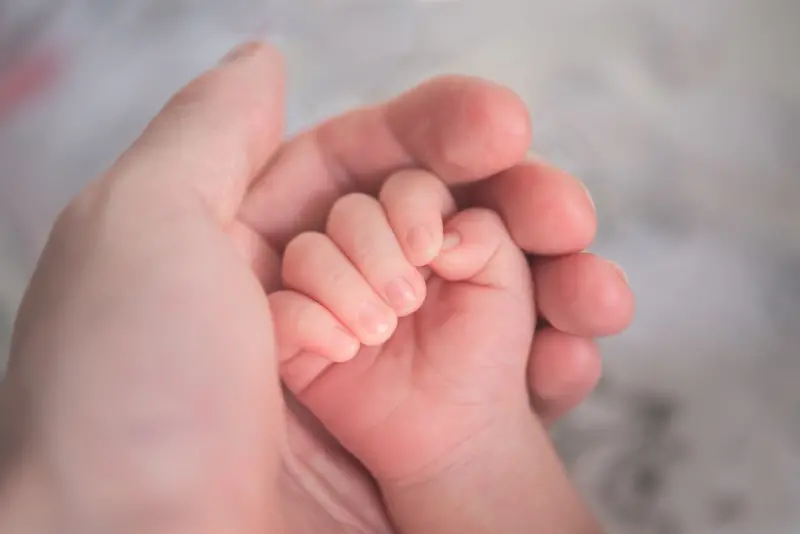
When I first cradled my newborn, the sheer weight of responsibility felt both exhilarating and terrifying. In the quiet moments of night‑feeds and soft sighs, I discovered a surprisingly simple yet profoundly transformative tool: touch. Not the hurried pat on the back or the quick diaper change, but intentional, skin‑to‑skin contact and gentle infant massage. These practices have become my daily ritual, and the science behind them is as compelling as the calm they bring to my little one.
Why Touch Is More Than Comfort
Touch is one of the first senses to develop in the womb, laying the groundwork for how a baby perceives the world. From the moment of birth, a newborn’s nervous system is primed to receive tactile input, which directly influences:
- Immune function: Physical closeness encourages the transfer of beneficial bacteria from parent to infant, a subtle gut‑skin connection that helps seed a healthy microbiome.
- Stress regulation: Oxytocin released during skin‑to‑skin contact lowers cortisol levels, calming both baby and caregiver.
- Neurodevelopment: Repetitive, soothing motions stimulate neural pathways responsible for motor skills and emotional regulation.
- Sleep quality: Babies who receive regular, gentle contact often settle faster and enjoy deeper, more restorative sleep cycles.
These benefits aren’t just anecdotal. Numerous studies have shown that infants who experience consistent, nurturing touch exhibit higher weight gain, fewer hospital readmissions, and improved bonding scores compared to those who receive less physical interaction.
The Science Behind Skin‑to‑Skin
Skin‑to‑skin, also known as kangaroo care, involves holding your baby upright against your bare chest. This simple act triggers a cascade of physiological responses:
- Thermoregulation: The parent’s body temperature adjusts to keep the baby warm, reducing the risk of hypothermia.
- Cardiovascular stability: Heart rate variability synchronizes, leading to steadier heart rhythms for both parties.
- Breathing coordination: The infant’s breathing pattern aligns with the caregiver’s, promoting smoother respiratory transitions.
Beyond the immediate effects, skin‑to‑skin also supports the development of the infant’s vagus nerve, the primary conduit of the parasympathetic nervous system. A well‑tuned vagal tone is linked to better digestion, emotional resilience, and even long‑term cardiovascular health.
Infant Massage: A Gentle Blueprint for Growth
If skin‑to‑skin is the foundation, infant massage builds the structure. Here’s a step‑by‑step routine that takes less than ten minutes but delivers lasting benefits:
- Set the scene: Dim the lights, play soft instrumental music, and ensure the room temperature is comfortably warm (around 75°F/24°C).
- Begin with the legs: Using the pads of your fingers, stroke each thigh from hip to knee in a slow, rhythmic motion. Repeat three times per leg.
- Move to the arms: Glide from the shoulder down to the wrist, applying gentle pressure. Incorporate a light circular motion around the forearm to stimulate circulation.
- Focus on the torso: Place your hands flat on the baby’s chest, moving outward toward the ribs. This mimics the natural expansion of breathing and supports lung development.
- Finish with the face: Using a feather‑light touch, trace the eyebrows, cheeks, and chin. This calm‑inducing sequence signals the end of the session.
Consistency is key. Aim for a brief massage after each feeding or before bedtime. Over time, you’ll notice a calmer demeanor, more predictable sleep patterns, and a stronger bond with your child.
Micro‑Movement Strategies for Tiny Bodies
Just as office workers benefit from micro‑movement strategies to counteract sedentary strain, infants thrive on gentle, purposeful movements that encourage motor skill development. Consider integrating these simple activities into your daily routine:
- Tummy Time: Place your baby on their stomach for short intervals, gradually increasing the duration. This builds neck and shoulder strength essential for crawling.
- Gentle Bicycle Legs: While the baby lies on their back, slowly move each leg in a pedaling motion. This aids digestion and enhances hip flexibility.
- Hand‑to‑Hand Play: Offer a soft, textured toy and encourage the baby to grasp and release. The tactile feedback refines fine‑motor coordination.
These micro‑movements are low‑impact, safe, and can be woven seamlessly into diaper changes, feeding sessions, or bedtime routines. The cumulative effect is a more robust musculoskeletal system and heightened body awareness.
Feeding Rhythms and Touch: A Harmonious Duo
While the focus of this article is on tactile practices, it’s impossible to ignore the symbiotic relationship between feeding patterns and touch. When you align feeding rhythms with your infant’s natural sleep‑wake cycles, you create a predictable environment that reduces stress for both caregiver and child.
For example, a consistent morning feeding followed by a brief skin‑to‑skin session can set a calm tone for the day, while an evening massage after the last bottle can cue the body for restful sleep. The predictability of these combined cues reinforces the brain’s ability to anticipate and respond to soothing stimuli, further strengthening the stress‑reduction loop initiated by touch.
When to Seek Professional Guidance
Touch is a powerful tool, but it’s not a substitute for medical advice. Parents should consult a pediatrician or a certified infant massage therapist if they notice:
- Persistent crying that isn’t soothed by usual comforting methods.
- Unexplained fever, rash, or skin irritation after contact.
- Feeding difficulties or significant weight loss.
- Any signs of developmental delay or motor issues.
Professional guidance can help tailor massage techniques to specific health needs, ensuring that the practice remains safe and effective.
Building a Touch‑Centric Culture at Home
Creating a home environment that values intentional touch doesn’t require drastic changes. Small, consistent actions can embed this philosophy into daily life:
- Family cuddle zones: Designate a cozy corner with soft blankets where family members can gather for brief, relaxed contact.
- Touch reminders: Place a gentle reminder note on the nursery door to encourage a quick skin‑to‑skin pause before bedtime.
- Educate caregivers: Share the benefits of touch with grandparents, babysitters, and daycare providers to ensure continuity of care.
When everyone understands the profound impact of gentle contact, the entire household becomes a nurturing ecosystem that supports the infant’s physical, emotional, and cognitive growth.
Conclusion: The Ripple Effect of a Simple Touch
From the first breath to the first steps, the infant’s journey is shaped by countless invisible forces. Among them, touch stands out as a low‑cost, high‑impact catalyst that fuels immunity, stabilizes emotions, and sharpens the developing brain. By weaving skin‑to‑skin moments, infant massage, and micro‑movement activities into the rhythm of daily life, parents can lay a resilient foundation for lifelong health.
In my own experience, the quiet exchange of warmth and breath has become a sanctuary—a place where worries melt away, and the pure, unfiltered connection with my baby feels like the most profound form of healthcare. I invite you to experiment, observe, and cherish each gentle touch. The benefits, both seen and unseen, will echo through your child’s life for years to come.

Brandy Miller is a dynamic freelance writer based in the vibrant city of Cambridge, Ontario. With a passion for storytelling that knows no bounds, she crafts compelling narratives that captivate and inspire. Brandy’s love for writing shines through in her versatile work, whether she’s penning thought-provoking articles or engaging content that resonates with readers. Her unique perspective and friendly tone make her a sought-after voice in the writing community. When she’s not weaving words together, you can find her exploring the beautiful landscapes of Ontario, always seeking new adventures and inspiration for her next piece. Brandy is not just a writer; she’s a creative force, making her mark one word at a time.
Related Posts

Smart Swaddles: How Data-Driven Wrapping Boosts Infant Development
Smart swaddles blend ancient soothing techniques with modern sensor technology, offering parents rea... Read More

Unlocking Infant Resilience: Simple Practices for Healthier, Happier Babies
Learn how skin‑to‑skin care, eye contact, rhythmic breathing, probiotic foods, and predictable r... Read More
Gentle Strategies for Protecting Your Infant’s Sensitive Skin
Learn essential, gentle skin‑care practices for newborns, including bathing, moisturising, diaper ... Read More
Top Posts

Functional Fitness: A Modern Man’s Blueprint for Longevity
Learn how functional fitness transforms everyday strength, mobility, and mental resilience for men, offering practical steps and lifestyle tweaks that support l...Read More

Why the First Year of Air Matters More Than You Think
A deep dive into why the air your infant breathes is critical for their lung development, immune system, and sleep, with actionable tips to improve indoor air q...Read More

The Community‑First Playbook for Reversing Prediabetes
Learn how a small, supportive community can boost accountability, reduce stress, and improve glucose control, offering a fresh, collective approach to reversing...Read More

When Beats Meet Feet: The Rise of Rhythm‑Driven Workouts
Nikki reveals the science behind rhythm‑driven training, shares a step‑by‑step guide for building beat‑matched workouts, and offers a beginner‑friendl...Read More
0 Comments
Post Comment
You will need to Login or Register to comment on this post!