

Why Breath and the Outdoors Might Be the Missing Piece in Men’s Health Routines
When I first started writing about men’s health, the conversation was dominated by weightlifting, protein shakes, and the latest wearable tech. Those topics are important, but I kept hearing a recurring question from readers: “What about the things that don’t involve a gym or a supplement?” The answer, I discovered, lies in two ancient practices that modern science is finally catching up with—conscious breathwork and intentional time outdoors. Both are simple, low‑cost, and surprisingly powerful tools for boosting energy, focus, and overall well‑being.
The Science Behind Breathwork (And Why It Matters for Men)
Breathing is something we all do automatically, yet the way we breathe can dramatically influence our nervous system. When we take shallow, rapid breaths, our sympathetic nervous system (the “fight‑or‑flight” mode) stays active, leading to elevated cortisol, jittery focus, and a higher risk of chronic stress‑related conditions such as hypertension and insulin resistance.
In contrast, slow, diaphragmatic breathing stimulates the parasympathetic branch—the “rest‑and‑digest” side—helping to lower heart rate, improve heart‑rate variability (HRV), and support better sleep quality. Studies have shown that a consistent practice of just five minutes of controlled breathing each day can:
- Increase HRV by up to 15%, a marker of cardiovascular resilience.
- Reduce perceived stress scores by nearly 30% after a month of daily sessions.
- Enhance focus and reaction time, which is a hidden advantage for professionals who need to make quick, accurate decisions.
For men juggling demanding careers, family responsibilities, and personal ambitions, these benefits translate into clearer thinking, steadier energy, and a lower likelihood of burnout.
Getting Started: A Simple 4‑Step Breath Routine
Here’s a no‑frills routine I’ve been using for the past year. It requires nothing more than a quiet space and a willingness to notice your own breath.
- Find Your Anchor: Sit upright in a chair or stand with feet hip‑width apart. Place one hand on your chest and the other on your belly.
- Inhale Deeply (4 seconds): Breathe in through the nose, allowing your belly to expand. Feel the hand on your abdomen rise.
- Hold (2 seconds): Gently pause at the top of the inhale.
- Exhale Slowly (6 seconds): Release the breath through a slightly pursed mouth, feeling your belly fall. The hand on your chest should stay relatively still.
Repeat this cycle for five minutes each morning. Over time, you can extend the duration or experiment with variations like the 4‑7‑8 technique (inhale 4, hold 7, exhale 8) for deeper relaxation before bedtime.
The Outdoors: Not Just a Scenic Backdrop
While breathwork rewires our internal systems, spending time in nature offers external stimuli that reinforce those changes. Sunlight, fresh air, and natural movement all interact with our hormonal pathways in ways that indoor environments simply can’t replicate.
Sunlight and Vitamin D: Exposure to morning sunlight triggers a cascade that supports testosterone production, mood regulation, and immune function. Even a brief 10‑minute walk outside can boost circulating vitamin D levels, which research links to improved muscle strength and reduced inflammation.
Nature’s “Soft” Stressors: Walking on uneven terrain, climbing a modest hill, or simply navigating a park’s winding paths requires micro‑adjustments in balance and coordination. These subtle challenges engage the proprioceptive system, improving posture, reducing lower‑back pain, and enhancing overall kinesthetic awareness.
Forest Bathing (Shinrin‑Yoku): Originating in Japan, this practice involves immersing oneself in a forest setting and mindfully observing the surroundings. Studies have demonstrated reductions in heart rate, blood pressure, and cortisol levels after just 20 minutes of forest immersion. For men who often feel “wired” after a day of screens, this is a natural antidote.
Combining Breathwork and Outdoor Time for Maximum Impact
Imagine starting your day with a quick breath session, then stepping outside for a short walk or a light hike. The breathwork primes your nervous system, while the outdoor environment amplifies the physiological benefits. Here’s a practical routine you can slot into a busy schedule:
- Morning (5 minutes): Breathwork routine as described above.
- Mid‑day (15‑20 minutes): Walk outdoors during lunch. Focus on diaphragmatic breathing while you walk—inhale for four steps, exhale for six.
- Evening (5 minutes): A brief “wind‑down” breath practice to signal your body that it’s time to relax, ideally performed near a window with natural light.
Even on days when the weather isn’t ideal, you can bring the outdoors inside. Open a window, sit near a plant, or use a light therapy lamp that mimics natural sunlight. The goal is to keep the connection to the outside world alive, even when you’re indoors.
Addressing Common Skepticism
Some men might dismiss breathwork and nature exposure as “soft” or “unscientific.” Here’s how I respond:
- Evidence‑Based: The physiological mechanisms (HRV, cortisol modulation, vitamin D synthesis) are well‑documented in peer‑reviewed journals.
- Scalable: No gym membership, expensive equipment, or special clothing is required. A pair of shoes and a few minutes are enough.
- Complementary: These practices enhance—not replace—strength training, nutrition, and other health pillars. Think of them as the “oil” that keeps the mechanical parts running smoothly.
Real‑World Stories: Men Who Switched Up Their Routine
Over the past year I’ve interviewed several readers who incorporated breathwork and outdoor time into their daily lives. Here are a couple of highlights:
- Mike, 38, Software Engineer: After a month of morning breath sessions and a 10‑minute lunchtime walk, Mike reported a 20% increase in focus during coding sprints and a noticeable drop in his afternoon energy slump.
- Jordan, 45, Sales Director: Jordan added a 30‑minute weekend hike with his family. He credits the activity with better sleep quality and a reduction in his reliance on caffeine.
These anecdotes reinforce that the combination of breath and nature isn’t just a feel‑good trend—it’s a functional strategy that aligns with real performance outcomes.
Tools and Resources to Keep You on Track
While the practices themselves are low‑tech, a few simple tools can help you stay consistent:
- Timer Apps: Use a phone timer or a meditation app that offers a “breathing” feature to keep your sessions consistent.
- Step Counters: Even a basic pedometer can motivate you to reach a daily step goal, ensuring you get enough outdoor movement.
- Nature‑Focused Podcasts: Listening to audio that describes natural soundscapes can enhance the mindfulness of a walk, especially in urban settings.
For those who enjoy diving deeper, explore real‑time health tracking to see how your HRV and sleep patterns shift as you adopt these habits. And if you’re curious about how metabolic resilience ties into overall energy levels, read more about metabolic resilience for a broader perspective.
Integrating Breathwork and Outdoor Time into Corporate Culture
Many men spend the bulk of their waking hours at a desk or in meetings. Leaders can foster healthier teams by encouraging brief “breathing breaks” and offering access to outdoor spaces. Simple initiatives include:
- Designating a “quiet corner” for a 5‑minute group breath session before a big presentation.
- Scheduling walking meetings (weather permitting) to combine discussion with movement.
- Providing a “green hour” where employees can step outside for a short nature immersion break.
These practices not only boost individual health but also improve team cohesion, creativity, and productivity—benefits that ripple across the organization.
Conclusion: A Small Shift That Packs a Big Punch
If you’ve spent years perfecting your squat form, counting macros, or tweaking your sleep schedule, consider adding these two modest habits to your repertoire. The beauty lies in their simplicity: a few conscious breaths and a handful of minutes in nature can recalibrate your nervous system, elevate hormone balance, and sharpen mental clarity—all without adding another item to your to‑do list.
Give yourself permission to step away from the hustle, inhale deeply, and let the world outside be part of your health strategy. The results may surprise you, and the best part is that you can start right now—no equipment, no subscription, just your breath and the sky above.

Becky Putman is an Ottawa-based freelance writer and marketing professional with a passion for storytelling, animals, and community involvement. She enjoys creating engaging content that informs, inspires, and connects with readers.
Related Posts

Unlocking a Modern Man’s Health Blueprint: Strength, Hormones, and Sustainable Habits
A fresh, evidence‑based roadmap for men focusing on hormone health, functional strength, sleep opt... Read More

Sweat the Stress Away: Why Saunas Are a Game‑Changer for Men’s Health
Regular sauna use offers men a low‑tech, high‑impact health boost—enhancing heart function, te... Read More

Why Regular Time in Nature Reboots Male Vitality
Regular time in nature offers men a low‑effort, high‑return strategy to lower cortisol, balance ... Read More
Top Posts

Micro‑Movements at the Desk: A Physiotherapist’s Guide
Kelly Reynolds shares a practical, evidence‑based approach to integrating micro‑movements into daily desk work, offering simple cues, proprioceptive tricks,...Read More

Beyond the Bottle: Crafting an External Detox Routine for Everyday Life
Discover a practical, habit‑based approach to external detox that improves air, water, and surface quality, while leveraging heat and cold therapy to boost th...Read More

How Community Gardening Fuels Senior Vitality
Community gardening offers seniors a low‑impact workout, fresh nutrition, and vital social interaction, turning a simple plot of earth into a powerful tool fo...Read More
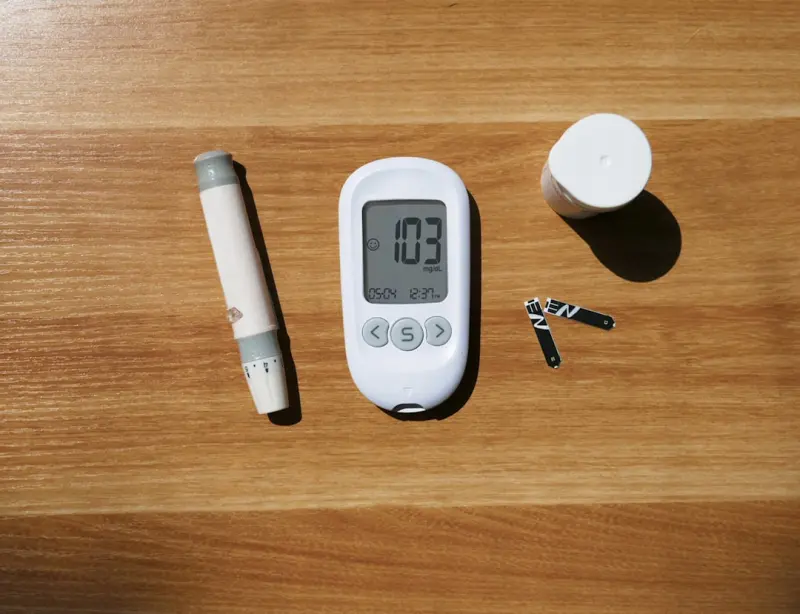
Living with Prediabetes: A Personal Journey from Stigma to Strength
A candid look at the emotional rollercoaster of prediabetes, offering practical tips to reshape social scenes, daily routines, and mindset for a healthier, conf...Read More
0 Comments
Post Comment
You will need to Login or Register to comment on this post!