
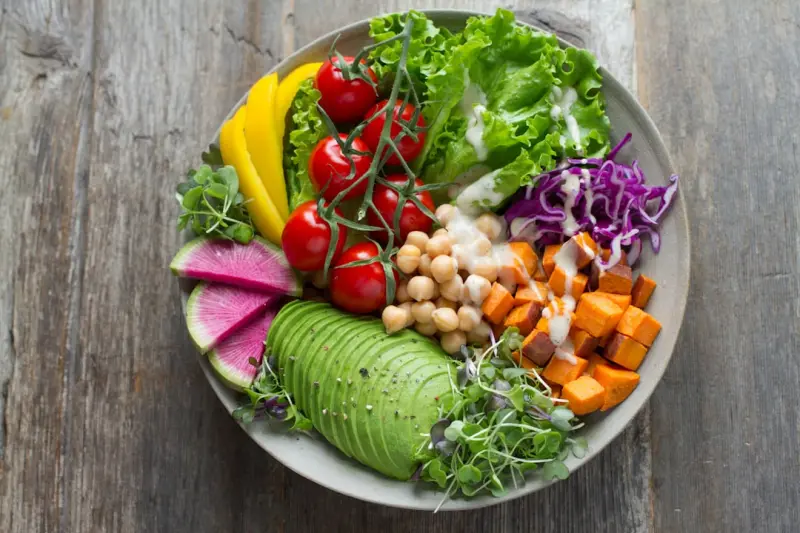
Imagine sitting at your desk, a deadline looming, and you feel that familiar dip in concentration. You reach for a snack, but instead of reaching for the usual sugary bite, you consider a slice of avocado on rye, a handful of walnuts, or a steaming cup of turmeric‑golden tea. The difference isn’t just about taste— it’s about how the very molecules on your plate can either scramble or synchronize the brain’s signaling pathways, subtly steering your focus, mood, and creative flow.
Why Food Choices Matter Beyond Calories
For most of us, nutrition is reduced to a simple equation: calories in versus calories out. While energy balance is essential for weight management, the brain’s needs are far more nuanced. It runs on glucose, but it also thrives on a steady supply of micronutrients, healthy fats, and antioxidants that protect neurons from oxidative stress. When you skip breakfast or choose a high‑glycemic snack, you’re not just affecting your waistline—you’re temporarily hijacking the brain’s fuel‑delivery system, leading to those infamous “mid‑afternoon crashes.”
Key point: The quality of the fuel determines the smoothness of the ride, not just the quantity.
The Neuro‑Flavor Connection
Food is a multisensory experience. The aroma of a citrus‑infused salad, the satisfying crunch of a carrot, the lingering bitterness of dark chocolate—all these signals travel through the olfactory and gustatory pathways, which are directly wired to the limbic system, the emotional hub of the brain. Recent research in neurogastronomy shows that certain flavor profiles can trigger the release of neurotransmitters like dopamine and serotonin, which, in turn, modulate attention and mood.
- Umami‑rich foods such as mushrooms, seaweed, and fermented soy can increase dopamine levels, fostering a subtle sense of reward and motivation.
- Bitter greens like kale and arugula activate the brain’s “alert” circuits, sharpening focus without the jittery spike of caffeine.
- Scented herbs—rosemary, mint, lemon balm—have been linked to reduced cortisol, the stress hormone that can cloud cognitive clarity.
In other words, the sensory profile of a meal can be deliberately engineered to support the mental tasks you have ahead. If you want a brain‑boosting breakfast, think about pairing flavorful building blocks that balance sweetness, acidity, and a dash of savory depth. This isn’t about gourmet cooking; it’s about designing the neural soundtrack of your day through food.
Mapping Your Mood Plate
One effective framework is the “Mood Plate,” a simple visual guide that groups foods into three functional zones:
- Steady‑Energy Core – Complex carbohydrates and low‑glycemic fruits (steel‑cut oats, quinoa, berries). These release glucose slowly, maintaining a consistent fuel stream.
- Neuro‑Supportive Crown – Omega‑3‑rich fats, antioxidants, and essential minerals (wild‑caught salmon, chia seeds, leafy greens, nuts). They fortify cell membranes and reduce neuro‑inflammation.
- Sensory Boosters – Herbs, spices, and modest amounts of dark chocolate or coffee that engage the taste buds and trigger beneficial neurotransmitter activity.
By arranging each meal with a proportionate representation of these zones, you’re essentially “programming” your nervous system for sustained performance. The goal isn’t to restrict, but to orchestrate a balanced symphony where no single ingredient overwhelms the others.
Practical Strategies for a Focus‑Boosting Diet
Below are evidence‑backed tactics you can implement right now, whether you work from a corporate office, a co‑working space, or a home studio.
- Start the day with a “brain‑fuel shake.” Blend unsweetened almond milk, a scoop of plant‑based protein, a tablespoon of ground flaxseed, a handful of spinach, and a few frozen blueberries. The combination supplies protein, omega‑3s, fiber, and polyphenols—perfect for a morning without the sugar spike.
- Schedule a “mid‑morning micro‑meal” around the 10‑a.m. slump. A piece of fruit paired with a handful of almonds delivers a low‑glycemic carb plus healthy fat, smoothing the dip in focus.
- Swap the usual bag of chips for roasted chickpeas flavored with rosemary and a pinch of sea salt. The crunchy texture satisfies the oral‑motor craving, while the rosemary activates the limbic system for a mild mood lift.
- Introduce a “brain‑break” snack every four hours. Options: Greek yogurt with a drizzle of honey and a sprinkle of cacao nibs, or a slice of whole‑grain toast topped with avocado and a dash of turmeric.
- Hydration matters. Aim for 2–3 liters of water daily, but intersperse it with low‑caffeine teas (green, matcha, or hibiscus) that provide gentle, sustained alertness without the crash of coffee.
- End the workday with a calming, gut‑friendly dinner. Think fermented foods—kimchi, sauerkraut, or a small serving of kefir—paired with lean protein. This supports the gut‑brain axis, preparing you for restorative sleep and next‑day mental acuity.
These suggestions are not static rules; they’re a launchpad for personal experimentation. The brain loves novelty—rotate herbs, try new grains, and keep the palate engaged. If you find a particular combo that lifts your energy, note it, and make it a regular fixture.
A Week of Mood‑Optimized Meals (Sample Plan)
Below is a seven‑day itinerary that embodies the Mood Plate principles. Feel free to swap ingredients based on seasonal availability or dietary preferences.
| Day | Breakfast | Lunch | Snack | Dinner |
|---|---|---|---|---|
| Monday | Oat‑milk smoothie with chia, blueberries, and a pinch of cinnamon | Quinoa bowl with roasted sweet potato, kale, grilled tempeh, and tahini‑lemon drizzle | Apple slices + almond butter | Pan‑seared trout, sautéed spinach, and a side of fermented beet slaw |
| Tuesday | Greek yogurt parfait with mixed berries, walnuts, and a drizzle of raw honey | Lentil soup with carrots, celery, and a sprinkle of cumin; side of rye crispbread | Edamame sprinkled with sea salt | Stuffed bell peppers (brown rice, black beans, feta, and cilantro) |
| Wednesday | Scrambled eggs with turmeric, spinach, and a slice of whole‑grain toast | Mixed‑greens salad with grilled chicken, avocado, pumpkin seeds, and a ginger‑soy vinaigrette | Dark chocolate (70%+) & a handful of pistachios | Spaghetti squash with marinara, roasted mushrooms, and a sprinkle of nutritional yeast |
| Thursday | Matcha latte (unsweetened) + a banana | Sushi‑style bowl: sushi rice, smoked salmon, cucumber, pickled ginger, and seaweed flakes | Roasted chickpeas with rosemary | Stir‑fried tofu, bok choy, bell peppers, and cashews over brown rice |
| Friday | Protein pancakes topped with sliced strawberries and a dollop of Greek yogurt | Whole‑grain wrap with hummus, roasted veggies, and a smear of pesto | Celery sticks + sunflower seed butter | Grilled lamb chops, quinoa tabbouleh, and a side of tzatziki |
| Saturday | Chia pudding layered with mango puree and toasted coconut flakes | Cauliflower “rice” bowl with black beans, avocado, salsa, and a squeeze of lime | Homemade kombucha (low‑sugar) & a handful of mixed nuts | Baked cod with a herb‑crust, roasted Brussels sprouts, and a citrus‑infused quinoa |
| Sunday | Full‑fat cottage cheese with sliced pear, cinnamon, and a drizzle of maple syrup | Hearty minestrone with beans, kale, and whole‑grain pasta | Olives, feta, and cherry tomatoes | Roasted chicken thigh, sweet‑potato wedges, and a side of kimchi |
This plan integrates a rotating palette of flavors and textures, ensuring that your brain receives a balanced stream of nutrients and sensory stimulation throughout the week.
The Bigger Picture: Nutrition, Creativity, and Resilience
When you view food as a strategic tool rather than a mere habit, the ripple effects extend beyond the office desk. Creative professionals report that meals rich in omega‑3s and polyphenols enhance divergent thinking—the ability to generate multiple solutions to a problem. Meanwhile, a diet low in processed sugars supports emotional resilience, reducing the likelihood of “food‑induced mood swings” that can sabotage collaboration and decision‑making.
In the same way that a well‑designed workspace can amplify productivity, a thoughtfully assembled plate can amplify mental performance. If you want to explore a deeper dive into how flavor structures can sculpt daily experiences, check out the science of meals that teach the body. For a broader perspective on sustaining vitality across the lifespan, you might also find Joyful Momentum an inspiring read.
Ultimately, the most sustainable change comes from curiosity—experimenting with new herbs, testing a different grain, or simply paying attention to how a particular bite makes you feel during a meeting. Document those observations, iterate, and you’ll discover a personalized nutrition playbook that keeps your mind sharp, your mood buoyant, and your creative spark alive day after day.

Brandy Miller is a dynamic freelance writer based in the vibrant city of Cambridge, Ontario. With a passion for storytelling that knows no bounds, she crafts compelling narratives that captivate and inspire. Brandy’s love for writing shines through in her versatile work, whether she’s penning thought-provoking articles or engaging content that resonates with readers. Her unique perspective and friendly tone make her a sought-after voice in the writing community. When she’s not weaving words together, you can find her exploring the beautiful landscapes of Ontario, always seeking new adventures and inspiration for her next piece. Brandy is not just a writer; she’s a creative force, making her mark one word at a time.
Related Posts
Seasonal Microbiome‑Boosting Meals: Fresh Foods, Happy Gut
Learn to harness seasonal produce and strategic food pairings to feed your gut microbes, boosting di... Read More

Micro‑Timing and Micro‑Diversity: A New Blueprint for Everyday Nutrition
Discover a practical nutrition framework that aligns meals with your body’s clock and introduces d... Read More

Fueling the Night: Nutrition Strategies for After-Hours Professionals
A deep‑dive into the science and habits that help night‑shift professionals eat smarter, stay al... Read More
Top Posts

Pregnancy as a Sensory Journey: Crafting Your Own Calm Oasis
A personal guide to turning everyday moments into a soothing, sensory‑rich experience that supports both mother and baby throughout pregnancy....Read More
Unlocking Brain Health: Holistic Strategies for a Sharper Mind
Explore practical, holistic strategies that nurture sleep, gut health, exercise, stress relief, and social connection for a sharper, more resilient mind....Read More

Finding Balance: A Holistic Toolkit for Living with Autoimmune Disease
A comprehensive guide offering daily micro‑habits, sensory‑first self‑care, seasonal breathwork, and narrative healing to help autoimmune warriors find su...Read More

Strategic Longevity: A Data‑Centric Blueprint for Extending Your Prime
A data‑driven approach to longevity transforms health metrics, workspace design, and gut health into a strategic advantage, helping leaders add years of highâ...Read More
0 Comments
Post Comment
You will need to Login or Register to comment on this post!