
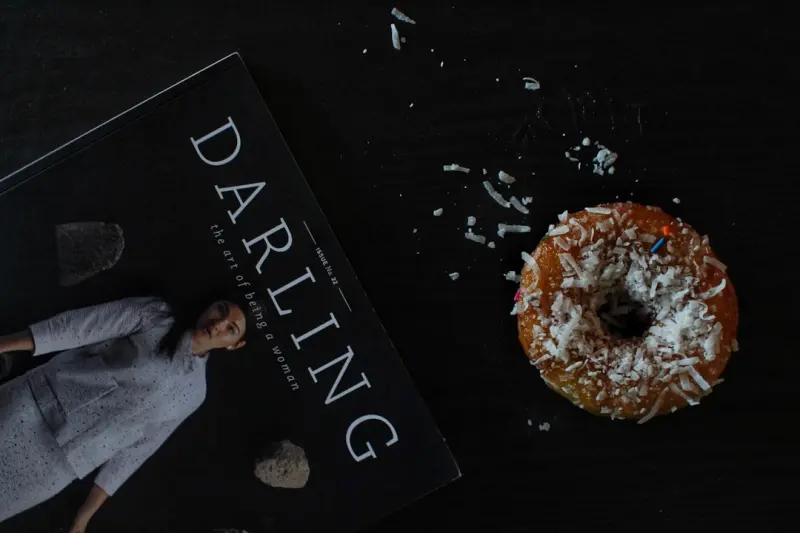
Breaking the Silence: Why Stories Matter
When I first stared at the mirror and saw a stranger, I realized that my eating disorder was not just a habit—it was a story I was telling myself about control, worth, and survival. Every calorie counted became a chapter, and every skipped meal a plot twist that kept the narrative moving, even if the ending felt inevitable. By naming the script, I began to see its gaps, the places where fear had scribbled over truth, and that realization opened a door to rewrite the whole tale.
For many who live under the weight of disordered eating, silence feels safer than scrutiny; the quiet lets the disorder breathe without challenge. Yet silence also creates a vacuum where shame amplifies, and the disorder fills the emptiness with louder, louder demands. I discovered that when I started to speak—first to a therapist, then to a supportive friend—the disorder lost some of its power, because the story was no longer mine alone. The act of sharing transformed a private burden into a communal conversation, and that shift is the first step toward genuine healing.
Multisensory Narrative: Engaging the Brain
Our brains are wired to respond to sensory input, and eating disorders often hijack those pathways, turning food into a trigger rather than nourishment. By deliberately introducing new textures, colors, and aromas into meals, we can begin to rewire the emotional circuitry that once equated a bite with anxiety. This is where brain‑boosting foods become allies, offering not just nutrients but vivid sensory experiences that stimulate curiosity instead of dread.
Multisensory living isn’t a gimmick; it’s a science‑backed method to reset the nervous system. When you chew slowly, feel the temperature of the broth, and notice the subtle sweetness of a carrot, you’re training the brain to associate eating with mindfulness rather than panic. Over time, those sensory cues become safety signals, allowing the body to relax and the mind to shift from a defensive stance to a receptive one. The result is a more balanced internal dialogue, one that can finally hear the quiet voice of self‑compassion.
Creative Community: From Isolation to Connection
Isolation is the silent partner of every eating disorder, and the antidote lies in community storytelling that celebrates vulnerability. I joined an online writing circle where members shared diary excerpts, poetry, and even grocery‑list anecdotes, each piece a small confession that felt less intimidating when read alongside others. The collective narrative turned my personal struggle into a shared human experience, reminding me that I wasn’t the only one battling the same inner critic.
Beyond the digital realm, local art workshops provide a tactile way to externalize the internal turmoil. Painting a plate that looks empty yet glows with imagined color, or sculpting a fork that bends under invisible weight, turns abstract pain into concrete form. When we display these creations in community spaces, we invite dialogue and demystify the disorder for onlookers, fostering empathy and reducing stigma. The more we speak, write, and create together, the weaker the disorder’s grip becomes, because it can’t thrive in the light of shared truth.
Nutrition as Narrative: Feeding the Story
Food can be a protagonist in your recovery story, not the antagonist you’ve been conditioned to fear. By choosing ingredients that support cognitive health—like the polyphenol‑rich berries highlighted in the brain‑boosting guide—you give your brain the tools it needs to process emotions more clearly. Each meal becomes a scene where the character (you) gains strength, resilience, and a clearer sense of self.
Pairing nutrition with movement in a playful way reinforces the narrative of empowerment. Rather than viewing exercise as a calorie‑burning punishment, frame it as a celebratory act for the body that sustains your story. A short walk after lunch, a gentle yoga flow before dinner, or a dance break while cooking—these moments stitch together a storyline where food fuels joy, not fear. When your plate and your routine both tell stories of growth, the old script of restriction loses its relevance.
To make this shift sustainable, start small: pick one sensory‑rich food each week, write a brief vignette about its taste and texture, and share it with a trusted friend or online group. Notice how the act of description changes your relationship to the food, turning observation into appreciation. Over months, these micro‑stories accumulate into a larger narrative of recovery, one that you authored deliberately rather than one imposed by an eating disorder.
Finally, remember that recovery is not a linear plot; it’s a series of drafts, revisions, and occasional setbacks. Embrace the editing process, celebrate the paragraphs where you chose nourishment over restriction, and keep turning pages. When you treat your journey as a living manuscript, you grant yourself the permission to rewrite, re‑imagine, and ultimately, to thrive.

Brody Lambert is an emerging freelance writer whose fresh voice and thoughtful approach are quickly making their mark. As a fairly new entrant in the world of freelance writing, Brody brings a blend of curiosity and dedication that fuels every project, crafting stories and content that resonate with authenticity and clarity.
Related Posts
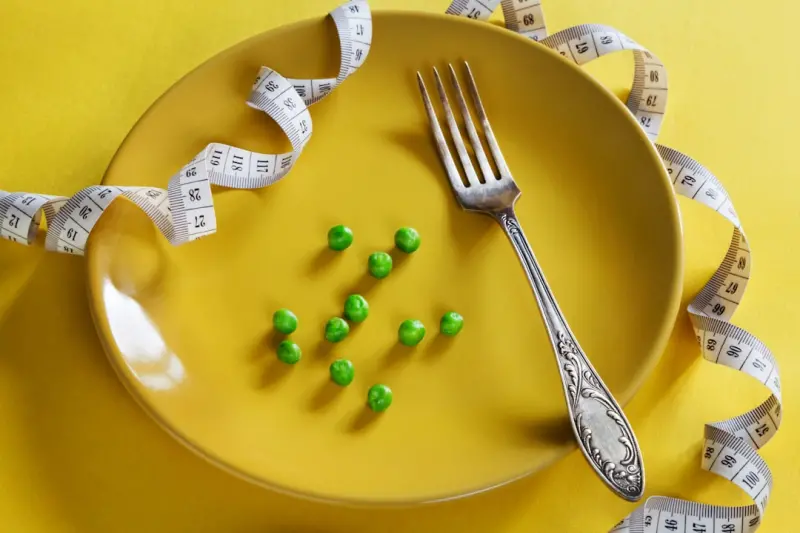
Beyond the Scale: How Workplace Culture Shapes Eating Disorders
This article uncovers the hidden ways office culture, cafeteria cues, and wellness tech can trigger ... Read More

Moving Beyond the Mirror: How Body Literacy Reshapes Eating Disorder Recovery
Explore the power of body literacy—learning to read and respond to your body’s signals—to rebu... Read More
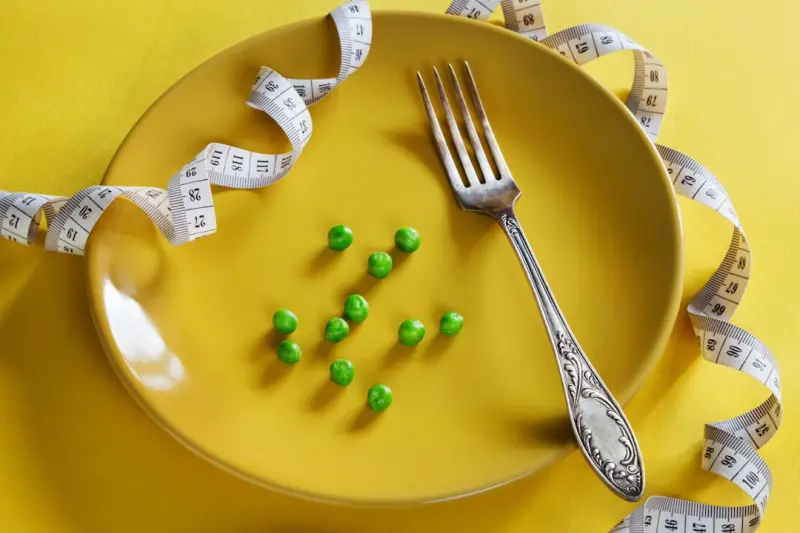
From Isolation to Connection: How Peer Support Circles Transform Eating Disorder Recovery
Learn how building compassionate peer support circles can replace isolation with connection, reshape... Read More
Top Posts
Unlocking Hidden Levers: A Mind‑Body Blueprint for Stable Blood Pressure
A fresh, mind‑body strategy blends breathing, seasonal nutrition, wearables, and tiny habit stacking to naturally stabilize blood pressure without relying sol...Read More

Holistic Health Insurance: Sarah Gray’s Guide to Choosing Coverage That Supports Your Whole‑Self
Sarah Gray reveals how to select health insurance that honors your holistic lifestyle, covering essential therapies, preventive care, and cost‑saving strategi...Read More
Unlocking Everyday Levers to Naturally Lower Blood Pressure
Learn how simple daily tweaks—mindful breathing, nutrient‑rich foods, biofeedback tools, and rhythmic routines—can naturally lower blood pressure and empo...Read More

Smart Swaddles: How Data-Driven Wrapping Boosts Infant Development
Smart swaddles blend ancient soothing techniques with modern sensor technology, offering parents real-time data on sleep, temperature, and movement to support h...Read More
0 Comments
Post Comment
You will need to Login or Register to comment on this post!