

Understanding the Hormonal Landscape
When I first started digging into the science behind male vitality, I realized most advice feels either too vague or overly clinical. The truth is, testosterone isn’t a single‑dimensional metric; it’s a dynamic hormone that interacts with sleep, nutrition, stress, and even the light that hits your skin each morning. Rather than chasing fleeting “boost” pills, I’ve begun to map out a set of sustainable habits that respect the body’s natural rhythms.
Why Consistency Beats Quick Fixes
Imagine trying to raise a flag on a windy day. If you pull hard for a second and then let go, the flag will flop back down. Hormonal health works the same way—short bursts of intense effort are quickly undone by the body’s feedback loops. The goal, then, is to create micro‑habits that you can repeat day after day, allowing the endocrine system to settle into a more favorable baseline.
Sleep: The Unseen Testosterone Engine
Sleep is often the first casualty of a busy schedule, yet it’s the most potent natural enhancer of testosterone. During deep REM cycles, the pituitary gland releases luteinizing hormone, which directly stimulates testosterone production. Aim for at least 7–8 hours of uninterrupted sleep, and consider the following tweaks:
- Cooler bedroom temperature: Keeping the room around 65°F (18°C) promotes deeper sleep stages.
- Limit blue‑light exposure: Turn off screens at least an hour before bed or use night‑mode filters.
- Evening routine: A brief meditation or gentle stretching signals to your nervous system that it’s time to wind down.
Nutrition That Fuels Hormone Synthesis
Food is the raw material for hormone production. Certain nutrients are especially important for men:
- Zinc: Found in oysters, pumpkin seeds, and beef, zinc is a co‑factor for the enzyme that converts cholesterol into testosterone.
- Vitamin D: Your skin synthesizes this vitamin when exposed to sunlight. Low levels correlate with reduced testosterone and mood disturbances.
- Healthy fats: Cholesterol isn’t the enemy; it’s the building block for steroid hormones. Incorporate avocado, olive oil, and fatty fish into your meals.
Rather than obsessing over “high‑protein” diets, focus on a balanced plate that includes these micronutrients. A practical tip: add a serving of leafy greens with a drizzle of olive oil to every lunch; the fat assists in vitamin absorption, and the greens supply magnesium, another testosterone ally.
The Role of Sunlight and Cold Exposure
Beyond vitamin D, sunlight regulates the circadian rhythm that underpins hormone release. Aim for 10–15 minutes of moderate sunlight exposure each morning. If you live in a colder climate, combine this with a brief cold shower or a few minutes of outdoor exposure. Cold stress activates the sympathetic nervous system, which can lead to a temporary surge in norepinephrine and, over time, improve overall hormonal resilience.
Movement Patterns That Matter
While the fitness community is saturated with “muscle‑building” jargon, the type of movement that most benefits testosterone isn’t always about lifting the heaviest weights. Compound, full‑body movements—such as squats, deadlifts, and push‑ups—stimulate large muscle groups and trigger a systemic hormonal response. However, the key is to keep the volume moderate and the frequency consistent. Overtraining can actually suppress testosterone, so schedule at least two rest days per week.
Stress Management: From Fight‑or‑Flight to Rest‑and‑Digest
Chronic stress is a silent testosterone thief. Elevated cortisol binds to the same receptors that testosterone would normally occupy, effectively blocking its action. Incorporating simple stress‑reduction practices can make a measurable difference:
- Box breathing: Inhale for four counts, hold for four, exhale for four, hold for four. Repeat for two minutes.
- Nature breaks: Even a five‑minute walk in a park lowers cortisol, as shown in recent research on digital detox.
- Social support: Engaging in meaningful conversations with friends or mentors can buffer stress hormones.
Mindset Shifts: Embracing Curiosity
One surprising lever for hormonal health is mental engagement. When you stay curious and keep learning, your brain releases dopamine, a neurotransmitter that indirectly supports testosterone synthesis. If you’re looking for a concrete example, check out Why Curiosity Fuels Longevity for a deep dive into how a growth mindset can improve overall vitality.
Integrating Technology Wisely
Wearables can be valuable allies if used judiciously. Tracking sleep quality, heart‑rate variability (HRV), and daily activity levels provides feedback that lets you fine‑tune habits. However, avoid the trap of obsessive data‑checking; the goal is to inform, not dominate your routine.
Micro‑Habits for Daily Hormonal Balance
Here’s a concise checklist you can embed into your day:
- Morning sunlight (10–15 min) while sipping water.
- Consume a zinc‑rich snack (e.g., pumpkin seeds) within 30 minutes of waking.
- Perform a 5‑minute compound movement circuit (squat‑push‑row).
- Practice box breathing before lunch.
- Limit caffeine after 2 p.m. to protect sleep architecture.
- End the day with a blue‑light‑free wind‑down routine.
These actions are intentionally simple; the cumulative effect over weeks can shift your baseline testosterone upward without the need for “stacked” supplements.
When to Seek Professional Guidance
If you notice persistent symptoms—low libido, chronic fatigue, or mood swings—consider a full hormonal panel with a qualified endocrinologist. While lifestyle is foundational, there are cases where clinical intervention is necessary. The goal is to complement, not replace, medical advice.
Learning From Other Systems
Even fields unrelated to health can offer insight. For instance, the precision timing techniques described in Neural Timing Hacks for Stable Blood Sugar illustrate how small adjustments in routine timing can stabilize complex systems. Apply that principle to hormone health: align meals, workouts, and sleep with your natural circadian peaks.
Putting It All Together: A 30‑Day Pilot
Commit to a 30‑day experiment. Record your baseline energy, mood, and sleep quality. Then implement the micro‑habits above, adjusting only one variable each week (e.g., week 1: sunlight, week 2: cold exposure). At the end of the month, compare the data. You’ll likely see improvements that are subtle yet meaningful—proof that sustainable habits, not quick fixes, drive lasting change.
Final Thought
Men’s health isn’t a single destination; it’s an evolving journey shaped by everyday choices. By focusing on consistency, aligning habits with natural rhythms, and staying intellectually curious, you can nurture a hormonal environment that supports not just performance, but overall well‑being.

Lifan Chen is a freelancer based in Toronto specializing in marketing. With expertise in crafting effective marketing strategies and campaigns, Lifan helps businesses grow their brand presence and reach target audiences. As a Toronto-based freelancer, Lifan combines local market insights with creative marketing skills to deliver tailored solutions for clients.
Related Posts

Functional Fitness: A Modern Man’s Blueprint for Longevity
Learn how functional fitness transforms everyday strength, mobility, and mental resilience for men, ... Read More

Holistic Health Hacks Every Modern Man Needs in 2024
A fresh take on men’s health: combine mindful nutrition, restorative sleep, functional movement, a... Read More

Reclaiming Your Edge: A Modern Man’s Blueprint for Gut‑Driven Vitality
A practical guide showing men how a balanced gut microbiome fuels better performance, mood, and horm... Read More
Top Posts

Finding Calm in the Canopy: Natural Healing for Seniors
Discover the restorative power of forest bathing and sensory gardens for seniors, offering simple steps to integrate nature into daily routines for better physi...Read More
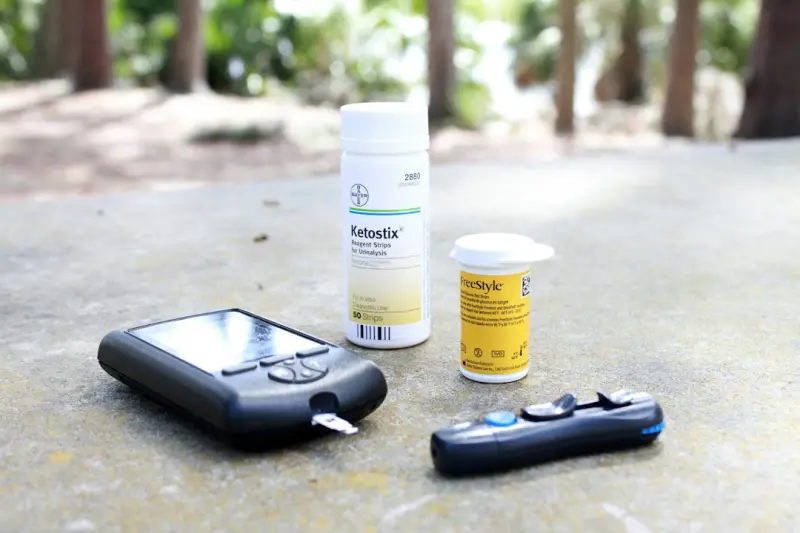
Turning Prediabetes Into a Launchpad for Whole‑Body Resilience
A fresh look at prediabetes shows how tiny habit shifts, supportive communities, and mindful movement can transform a health warning into a roadmap for a more i...Read More

Pregnancy as a Sensory Journey: Crafting Your Own Calm Oasis
A personal guide to turning everyday moments into a soothing, sensory‑rich experience that supports both mother and baby throughout pregnancy....Read More

Decoding Nutrient Density: How to Choose Foods That Truly Fuel Your Body
Discover a practical approach to selecting truly nutrient‑dense foods, from label hacks to seasonal choices, and transform everyday meals into powerful health...Read More
0 Comments
Post Comment
You will need to Login or Register to comment on this post!