
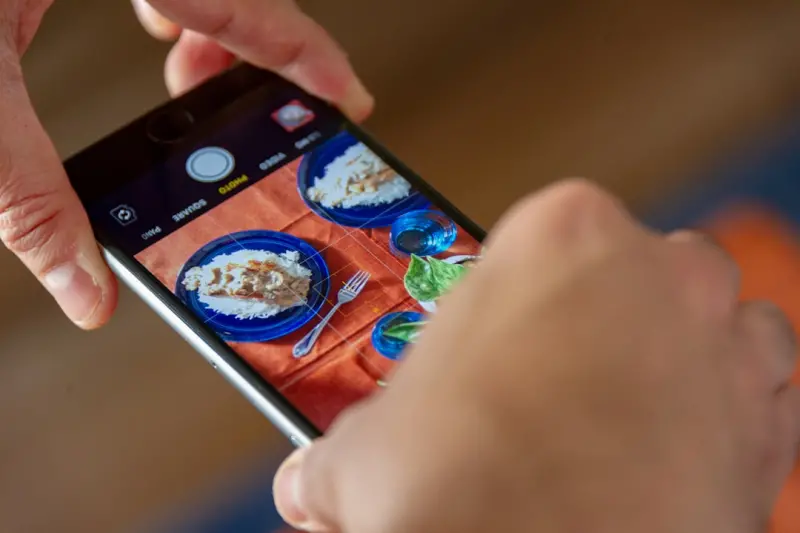
When Screens Meet Plates: The Digital Push Behind Modern Eating Disorders
In the last decade, the glow of smartphones, the scroll of curated feeds, and the endless stream of “perfect” meals have rewired the way many of us see food, body, and self‑worth, turning what once was a private struggle into a public performance; I’ve watched friends hide their anxiety behind filtered photos while silently counting calories in the comments section, and I realized that the battlefield has moved from the bedroom to the timeline, where every swipe can either reinforce a harmful narrative or spark a moment of clarity. Algorithms, without intention, amplify the loudest voices—often those that glorify thinness or extreme dieting—making it easier for vulnerable minds to latch onto destructive patterns, and the constant comparison creates a feedback loop that feels impossible to break without deliberate digital hygiene. The solution, I’ve learned, begins with recognizing that the same tools that fuel anxiety can also deliver the support, education, and community needed to reclaim a healthier relationship with food.
The Invisible Hooks: How Social Media Features Seed Disordered Thinking
Features such as “likes,” “reels,” and “story polls” are not neutral; they act as invisible hooks that reward quick, emotionally charged content, and when the subject is a diet trend or a “before‑and‑after” transformation, the reward system in the brain is hijacked, reinforcing the desire to chase the next validation hit; I remember scrolling through a “30‑day detox challenge” and feeling an inexplicable surge of adrenaline, followed by a wave of shame when I couldn’t keep up, a pattern that mirrors the classic cycle of binge‑purge but now plays out in the digital realm. The design of endless feeds ensures that the next temptation is always a swipe away, and the lack of natural pauses means the mind never gets the chance to process the emotional aftermath, a phenomenon I’ve seen intensify among younger users who spend hours scrolling before bed. To disrupt this cycle, we must introduce intentional friction—pause prompts, content warnings, and algorithmic nudges that prioritize recovery‑focused narratives over sensationalized diet tips.
From Influencer to Ally: Turning the Spotlight into a Healing Beam
When an influencer openly shares a relapse or a setback, it can feel like a betrayal of the glossy façade that followers expect, yet those raw moments also have the power to shatter the myth of perfection and create a bridge to empathy; I’ve found that my own turning point came after a trusted content creator posted a video describing how a “cheat day” spiraled into a week of restriction, and the comment thread blossomed into a peer‑supported debrief that felt more therapeutic than any therapist’s couch. By encouraging creators to frame their journeys with honesty and to provide resources—such as links to professional help or support groups—they can transform a moment of vulnerability into a collective safety net; for instance, an anchor tag like Beyond the Scale: A Compassionate Look at Eating Disorders offers readers a deeper dive into compassionate care while reinforcing that recovery is a shared experience. The key is to shift the narrative from “I’m flawless after this diet” to “I’m learning, stumbling, and growing together,” a subtle but powerful redefinition of influence.
Micro‑Habits for Digital Detox That Protect Your Plate
Just as we count macros, we can count minutes of screen time; setting a timer for 20‑minute social media blocks, using grayscale mode during meals, and designating “phone‑free zones” around the kitchen are simple micro‑habits that create mental space, allowing the body’s natural hunger cues to surface without the noise of notifications; I started by placing my phone in another room during dinner and noticed that the conversation stayed on taste, texture, and enjoyment rather than the calorie count displayed on a screen. Pairing these habits with a short mindfulness practice—like a three‑minute breath focus before each meal—can reset the nervous system and reduce the urge to scroll for reassurance, turning the act of eating back into a moment of presence. Over time, these tiny adjustments compound, forming a buffer that protects against the relentless comparison engine that social platforms run.
The Role of Online Communities: From Echo Chambers to Safe Havens
While some forums perpetuate harmful tips, many niche groups have emerged as lifelines for those navigating disordered eating, offering moderated spaces where members share coping strategies, celebrate small victories, and hold each other accountable without judgment; I have personally benefited from a Discord server that requires verification of a mental‑health professional’s endorsement before anyone can post diet advice, ensuring that the conversation stays grounded in recovery rather than restriction. These communities often incorporate structured challenges—like “food‑friendship weeks” where participants intentionally try a new food each day and share reflections—which foster exposure and normalize variety, a crucial step in rewiring the brain’s fear response to certain foods. Embedding links to reputable resources, such as Rewiring Your Body’s GPS, within discussion threads can also guide members toward holistic practices that support both mental and physical alignment.
Workplace Screens: The Silent Stressor Behind Lunch‑Hour Skipping
Corporate culture has quietly adopted the “always‑on” mindset, and the result is a workforce that often skips meals, orders delivery late at night, or relies on caffeine to power through meetings, creating a perfect storm for disordered eating patterns to take root; I recall a period when I was glued to back‑to‑back video calls, and the only breaks I allowed myself were quick glances at my phone for “nutrition tips,” which inevitably led to a spiral of restrictive snacking and later binge sessions in the solitude of my apartment. Employers can intervene by instituting “screen‑free lunch hours,” providing nutritious on‑site options, and encouraging regular movement breaks that reset both posture and appetite, turning the office into a supportive environment rather than a trigger zone. When the culture values human rhythms over relentless productivity, employees report higher satisfaction, lower stress, and a healthier relationship with food—a win‑win for both the individual and the bottom line.
Creative Re‑Framing: Using Art and Writing to Counteract the Digital Narrative
One of the most effective ways I have found to dismantle the internalized diet talk amplified by screens is to channel that energy into creative outlets; whether it’s sketching a plate as a canvas of colors, journaling about the textures that bring comfort, or composing a short story where the protagonist discovers strength beyond size, the act of externalizing thoughts provides distance and perspective, weakening the grip of the digital echo chamber. These practices can be paired with digital tools that promote positivity—apps that generate daily gratitude prompts, or platforms that host virtual art therapy sessions—turning technology from a source of pressure into a conduit for healing. By consistently documenting moments of culinary joy and body appreciation, we build a personal archive that can be revisited during moments of doubt, reminding us that our worth extends far beyond the pixels that scroll past us.
Policy and Platform Responsibility: A Call for Ethical Design
Beyond individual coping strategies, there is a growing demand for platforms to adopt ethical design principles that prioritize mental health, such as limiting the spread of “thin‑ideal” content, flagging harmful diet advice, and providing direct links to crisis resources when certain keywords appear; I have advocated for these changes in several roundtables with tech developers, emphasizing that a platform’s responsibility does not end at user engagement metrics but extends to the well‑being of its community. Implementing features like “wellness check‑ins” after a user engages with a high‑risk post, or offering a “diet‑free” content filter, can dramatically reduce exposure to triggering material, especially for younger audiences whose neural pathways are still forming. When companies commit to transparency and accountability, they not only protect users but also set a new industry standard that aligns profit with purpose.
Building a Personal Blueprint: Steps to Reclaim Control Over Food and Feed
- Audit your feed: Identify accounts that trigger anxiety and consider muting or unfollowing them.
- Set screen‑free meals: Keep devices out of sight for at least 30 minutes before and after eating.
- Engage with recovery‑focused communities: Join moderated groups that emphasize evidence‑based practices.
- Incorporate movement breaks: Use short micro‑movements to reset stress hormones and improve digestion.
- Document your journey: Write or sketch your meals and feelings to create a visual narrative of progress.
These five concrete actions, when practiced consistently, form a resilient framework that not only mitigates the digital triggers of eating disorders but also empowers you to make choices rooted in intuition rather than external validation. By treating your online environment with the same care you would a physical space—decluttering, setting boundaries, and inviting supportive voices—you create a sanctuary that nurtures both mind and body, allowing recovery to flourish beyond the reach of endless scrolling.
Looking Ahead: A Culture Where Screens Serve, Not Sabotage
The future of eating‑disorder prevention lies in a cultural shift that reframes technology as a tool for empowerment rather than a source of comparison, and that begins with each of us choosing to curate our digital diets as meticulously as we do our physical ones; I envision a landscape where influencers collaborate with clinicians to produce content that celebrates diverse bodies, where algorithms highlight stories of resilience, and where every user has easy access to vetted resources at the click of a button. As we collectively demand these changes and model healthier habits online, we not only protect ourselves but also pave the way for the next generation to grow up in a world where the screen reflects authenticity, not an unattainable ideal. The journey is ongoing, but with intention, community, and thoughtful design, we can turn the tide and ensure that the glow of our devices illuminates paths to nourishment, not shadows of restriction.

Related Posts

Cultural Identity and Eating Disorders: Finding Balance Between Heritage and Body Image
A personal journey reveals how cultural roots, family dynamics, and digital pressures intertwine wit... Read More

When Ambition Becomes Appetite: Uncovering the Hidden Link Between High‑Pressure Careers and Disordered Eating
A deep dive into how relentless workplace pressure can turn food into a control tool, the biological... Read More
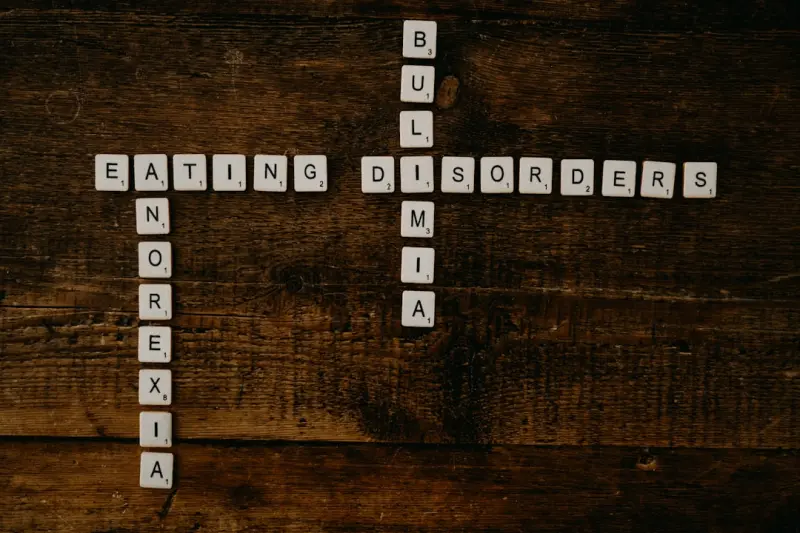
Reframing Eating Disorders: From Moral Panic to Physiological Feedback
A new approach to eating disorders treats food as feedback, not a moral failing, by combining physio... Read More
Top Posts
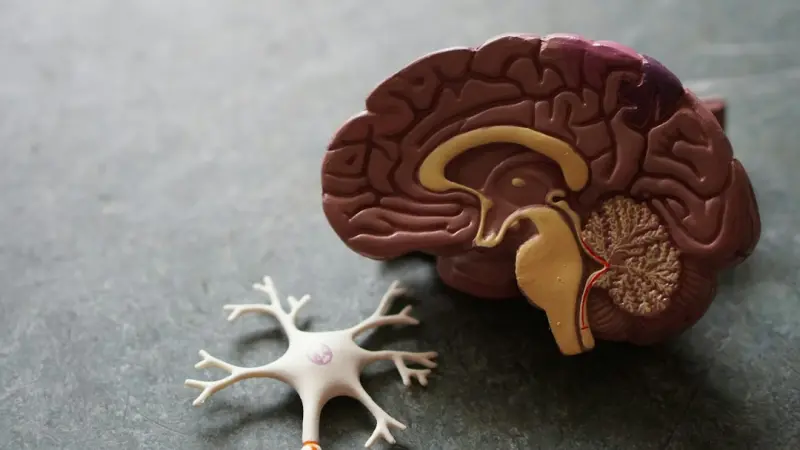
The Gut‑Brain Connection: Micro‑Habits for a Balanced Mind
A practical guide to the gut‑brain axis, offering simple dietary tweaks, outdoor exposure tips, and wearable data loops that together support a healthier micr...Read More

Boosting Your Baby’s Health Naturally in 2026
A mother’s guide to nurturing infant immunity, sleep, nutrition, and bonding with holistic, evidence‑based practices for 2026....Read More

The Intersection of Aging and Chronic Health Conditions: A Holistic Approach to Senior Health
A holistic approach to senior health prioritizes physical, emotional, and social needs to manage chronic health conditions and improve quality of life. Learn ho...Read More

Living with Cancer: A Holistic Journey of Resilience and Hope
A heartfelt guide from a survivor’s perspective, blending nutrition, gentle exercise, mindfulness, and community to empower those navigating cancer’s challe...Read More
0 Comments
Post Comment
You will need to Login or Register to comment on this post!