
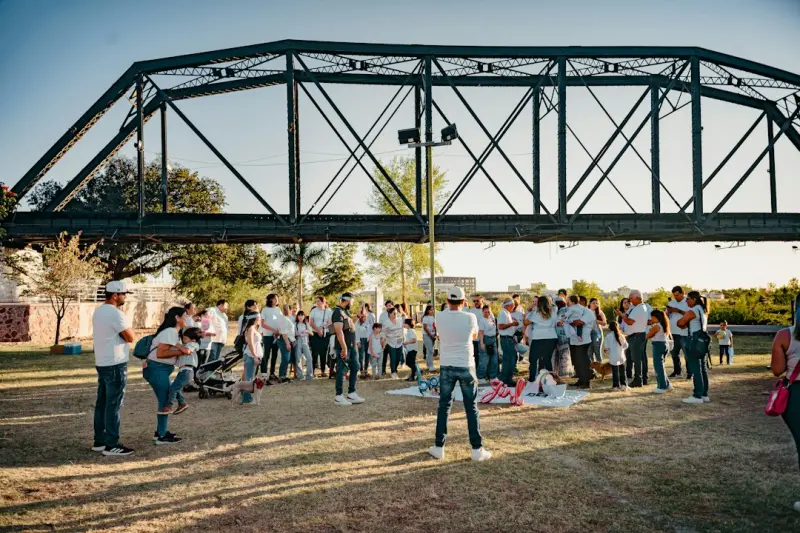
Why Stories Matter More Than Ever for Seniors
When a senior sits down with a grandchild and begins to recount a memory from decades past, something magical happens. The simple act of storytelling triggers physiological responses, strengthens social bonds, and sharpens the brain in ways that traditional exercises often overlook. While many wellness programs focus on physical movement or nutritional tweaks, the narrative exchange between generations offers a holistic boost that touches mind, heart, and body simultaneously.
The Science Behind Narrative Healing
Neuroscientists have discovered that recalling personal events activates the hippocampus, the region responsible for memory consolidation. Simultaneously, listening to another’s story engages the prefrontal cortex, which regulates attention and empathy. This dual‑brain activation creates a feedback loop that improves neural plasticity—essential for maintaining cognitive agility well into the golden years.
Beyond the brain, storytelling can influence the endocrine system. Sharing meaningful experiences often leads to the release of oxytocin, the “bonding hormone,” which has been linked to reduced inflammation, lower blood pressure, and enhanced immune function. In other words, a good story can be a subtle, yet powerful, health supplement.
How Intergenerational Narratives Fill Gaps in Traditional Care
Standard senior health initiatives tend to concentrate on exercise routines, dietary plans, or medication management. While those components are vital, they sometimes miss the emotional and social dimensions that are equally crucial for longevity. Intergenerational storytelling addresses several unmet needs:
- Emotional resonance: Reliving cherished moments provides a sense of purpose and reduces feelings of isolation.
- Cognitive challenge: Reconstructing events in chronological order sharpens executive functions.
- Physical calm: Engaging conversations often lead to relaxed breathing patterns, which can lower heart rate and improve circulation.
- Social integration: Bridging the generational divide builds community ties that protect against loneliness.
Practical Ways to Weave Storytelling Into Daily Life
Incorporating narrative sessions into a senior’s routine doesn’t require a massive overhaul. Below are simple, actionable ideas that families, caregivers, and community centers can adopt:
- Story circles: Organize weekly gatherings where seniors and younger participants sit in a circle and share anecdotes on a chosen theme—such as “first jobs” or “holiday traditions.”
- Memory jars: Provide small jars and slips of paper. Encourage seniors to write brief recollections and place them in the jar. Younger family members can draw a slip each day and discuss the story together.
- Digital storytelling workshops: Use tablets or laptops to record oral histories. This not only preserves memories for future generations but also introduces seniors to technology in a supportive environment. For tips on making screen time more comfortable, see digital eye strain tips.
- Community podcast projects: Partner with local libraries or senior centers to produce a podcast featuring senior voices. Listeners of all ages can tune in, creating a ripple effect of connection.
- Cross‑generational mentorship: Pair seniors with students or apprentices for skill‑sharing sessions—be it knitting, woodworking, or cooking. The conversation naturally evolves into storytelling.
Measuring Impact: What Success Looks Like
To gauge the benefits of narrative engagement, caregivers can track a few simple indicators over time:
- Frequency of smiles or laughter during sessions.
- Self‑reported feelings of loneliness before and after a month of regular storytelling.
- Performance on short memory recall tests (e.g., recalling a list of three items after five minutes).
- Blood pressure readings taken before and after a storytelling hour.
Even modest improvements in these metrics can translate into meaningful enhancements in overall well‑being.
Overcoming Common Barriers
Many seniors hesitate to join storytelling activities for fear of forgetting details or feeling judged. Here are strategies to create a safe, inclusive atmosphere:
- Use prompts: Provide visual aids—photographs, newspaper clippings, or old music—to spark memories.
- Encourage “imperfect” narratives: Emphasize that the goal is connection, not perfect recall.
- Offer quiet spaces: Ensure the environment is free from background noise that could distract or overwhelm participants.
- Leverage peer facilitators: Train enthusiastic seniors to lead sessions, fostering a sense of ownership.
Integrating Storytelling With Existing Health Programs
For organizations already running fitness or nutrition workshops, storytelling can serve as a complementary module. For instance, after a gentle yoga class, a facilitator could invite participants to share a memory associated with a favorite song or a cherished place. The transition from physical activity to verbal expression helps cement the health benefits of both.
In the realm of digital health, many platforms now feature community forums. While these spaces often focus on medical advice, they can be repurposed to host “story threads” where seniors post anecdotes and receive supportive comments. This approach aligns with the growing trend of leveraging online communities for holistic health, as highlighted in online peer groups.
Case Study: The Riverside Senior Hub
Riverside, a small town in the Midwest, launched a pilot program titled “Stories & Strolls.” Every Thursday afternoon, volunteers led seniors on a short walk around the historic district, followed by a tea‑time storytelling circle. After six months, participants reported a 30% reduction in self‑reported loneliness and a noticeable improvement in memory recall during the community’s annual quiz night. The program also attracted younger volunteers who cited the experience as a catalyst for their own emotional growth.
Future Directions: Scaling Narrative Health
As the evidence base expands, health insurers and policymakers may begin to recognize storytelling as a reimbursable preventive activity. Imagine a scenario where a senior’s care plan includes a weekly “narrative session” alongside physical therapy. Such integration would reflect a broader shift toward treating health as a tapestry of interconnected experiences rather than isolated metrics.
In the meantime, families can take the first step by simply setting aside a few minutes each day to ask, “What’s a favorite memory you have from when you were my age?” The answers may surprise you, and the ripple effect on health could be profound.

Tom Ferguson is a Canadian freelance writer with a passion for storytelling, current events, and thoughtful commentary. Drawing on years of writing experience, he shares engaging insights on a wide range of topics, bringing a uniquely Canadian perspective to his work.
Related Posts
Community Gardens: A Fresh Prescription for Senior Health
A senior-friendly guide showing how community gardening can enhance physical strength, cognitive fun... Read More

Why Staying Tech‑Savvy Is the New Fountain of Youth for Seniors
Digital fluency offers seniors a powerful health boost, from sharper cognition to stronger social ti... Read More
Smart Tech for Seniors: Boosting Health, Independence, and Connection
A practical guide shows seniors how smart watches, health apps, and voice‑activated devices can em... Read More
Top Posts

Gentle Beginnings: How Tiny Rituals Shape Big Infant Health Futures
A deep dive into simple, evidence‑based daily rituals—skin‑to‑skin contact, mindful feeding, sustainable care, and gentle sleep strategies—that lay a ...Read More
Unlocking Brain Health: Holistic Strategies for a Sharper Mind
Explore practical, holistic strategies that nurture sleep, gut health, exercise, stress relief, and social connection for a sharper, more resilient mind....Read More

The Hidden Levers of Muscle Growth: A Systems Approach
Muscle growth isn’t just about lifting heavier; it’s a complex system of signals, nutrition, sleep, and stress management. This guide reveals how micro‑ad...Read More
Ambient Design Hacks for Faster Weight Loss
Explore how subtle changes to office temperature, lighting, and sound can increase your basal metabolic rate, lower stress hormones, and accelerate weight loss ...Read More
0 Comments
Post Comment
You will need to Login or Register to comment on this post!