
Why Blood‑Sugar Mastery Starts with Timing, Not Just Ingredients
When I first began tracking my glucose, I expected a laundry list of “good” and “bad” foods to dictate my meals, but what truly shifted the needle was the clock on my kitchen wall. Eating the same foods at different times can produce wildly different blood‑sugar responses, because our bodies operate on a circadian rhythm that governs insulin sensitivity, hormone release, and even gut motility. By aligning meals with the natural peaks and troughs of this rhythm, I discovered a subtle yet powerful lever that kept my numbers steady without obsessively counting carbs.
The Science Behind the Glycemic Clock
Research shows that insulin sensitivity is highest in the morning, gradually waning as the day progresses, which means the same breakfast cereal consumed at 8 a.m. can be far less likely to cause a spike than that same bowl at 4 p.m. This phenomenon isn’t just academic; it’s rooted in the body’s internal master clock that synchronizes liver glucose output, pancreatic beta‑cell activity, and even the microbiome’s daily dance. When I shifted my larger carbohydrate loads to earlier in the day, my fasting glucose settled into a narrower, healthier range.
Meal Sequencing: The Order Matters More Than You Think
Beyond timing, the sequence in which foods appear on the plate can blunt post‑meal spikes. Starting a meal with fiber‑rich vegetables or a protein source creates a “pre‑load” effect, slowing gastric emptying and giving insulin a head start before the carbohydrate wave hits. I now practice the “protein‑first” rule: a handful of nuts, a hard‑boiled egg, or a scoop of Greek yogurt before the main carbohydrate, and I consistently see a gentler rise on my monitor.
Strategic Snacks to Bridge the Glycemic Gap
Mid‑afternoon slumps often tempt us to reach for sugary snacks, but a smart, low‑glycemic mini‑meal can actually protect against the inevitable dinner surge. Pairing a small apple with almond butter, or a few berries with cottage cheese, supplies a modest glucose boost while keeping insulin demand manageable. I keep a “glycemic bridge” kit in my bag, and the simple act of reaching for it has become a ritual that steadies my energy and prevents the dreaded “crash‑and‑burn” cycle.
Hydration’s Hidden Role in Blood‑Sugar Control
Water isn’t just a thirst quencher; it’s a silent partner in glucose regulation. Dehydration concentrates blood plasma, making glucose readings appear higher, and can also impair kidney function, which is essential for glucose excretion. By sipping water consistently—aiming for at least half a liter before each main meal—I’ve noticed a clearer mental focus and more predictable glucose trends, especially on days when my schedule pushes meals later than usual.
Leveraging Real‑Time Data for Timing Adjustments
Technology can be the coach that reminds us when to eat, and the real‑time data tools I use have turned vague intuition into concrete action. Continuous glucose monitors send alerts the moment my levels start to drift, prompting me to adjust my next snack or shift a meal earlier. Coupled with community dashboards, I see patterns across many users, learning when a 10‑minute earlier lunch or a 15‑minute later dinner makes the biggest difference.
Insurance Perks That Can Fund Your Timing Toolkit
Many don’t realize that health‑insurance plans often cover nutrition counseling, diabetes education classes, and even remote monitoring devices—resources that can fine‑tune the timing strategies I’ve described. By digging into the health‑insurance perks, I secured a free consultation with a registered dietitian who helped map my personal glycemic rhythm, and a subsidized CGM that feeds data straight to my phone. These hidden benefits remove financial barriers and turn sophisticated blood‑sugar management from a luxury into a reachable goal.
Putting the Plan Into Practice: A Sample Day
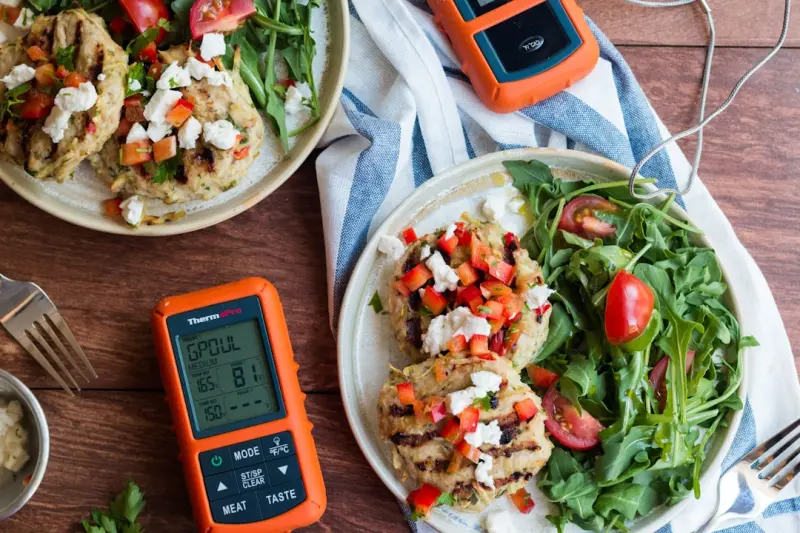
Here’s how I structure a typical weekday: 7:30 a.m. – a protein‑first breakfast (scrambled eggs, spinach, and a few berries); 10:30 a.m. – a hydrating snack of cucumber slices with hummus; 12:45 p.m. – a carbohydrate‑rich lunch (quinoa bowl) timed while insulin sensitivity is still relatively high; 3:00 p.m. – a low‑glycemic bridge snack (Greek yogurt + cinnamon); 6:30 p.m. – a light dinner focused on lean protein and non‑starchy veg, kept early to avoid the evening insulin dip. By sticking to this rhythm for a few weeks, I observed a 15 % reduction in average post‑prandial peaks and a smoother overall glucose curve.
Mindset Shifts: From Restriction to Rhythm
The biggest breakthrough wasn’t a new recipe or supplement, but a change in perspective: I stopped viewing food as a set of “allowed” or “forbidden” items and started treating each meal as a timed event that communicates with my body’s internal clock. This rhythmic mindset reduces the mental fatigue of constant calorie counting and replaces it with a more intuitive, almost meditative practice. When I honor the clock, my cravings settle, my energy steadies, and the numbers on my monitor finally become a reliable ally rather than a source of anxiety.

Brandy Miller is a dynamic freelance writer based in the vibrant city of Cambridge, Ontario. With a passion for storytelling that knows no bounds, she crafts compelling narratives that captivate and inspire. Brandy’s love for writing shines through in her versatile work, whether she’s penning thought-provoking articles or engaging content that resonates with readers. Her unique perspective and friendly tone make her a sought-after voice in the writing community. When she’s not weaving words together, you can find her exploring the beautiful landscapes of Ontario, always seeking new adventures and inspiration for her next piece. Brandy is not just a writer; she’s a creative force, making her mark one word at a time.
Related Posts
Temperature Hacks to Keep Your Blood Sugar on Point
Explore how controlling indoor temperature, humidity, and seasonal climate can become powerful tools... Read More
Glucose‑Guided Productivity: Turning Blood Sugar Swings into Strategic Wins
Discover how treating blood‑glucose as a performance metric can sharpen focus, improve decision‑... Read More

Rewriting Your Blood‑Sugar Narrative: Micro‑Habits, Seasonal Foods, and Energy Equity at Work
Learn to transform blood‑sugar management into a powerful story of steady energy at work, using ch... Read More
Top Posts

The Evolution of Health Insurance: A Holistic Approach to Wellness
The evolution of health insurance requires a holistic approach to wellness. Learn how prioritizing prevention, early intervention, and comprehensive care can im...Read More

The Gut‑Brain Edge: How Microbial Health Fuels Professional Performance
Learn how a thriving gut microbiome can sharpen your mind, stabilize mood, and enhance productivity with simple, science‑backed habits for busy professionals....Read More

Living Awake: My Personal Journey with Narcolepsy
A candid, holistic look at daily life with narcolepsy—nutrition, exercise, brain health, and community—offering practical strategies and hopeful empowerment...Read More

Breaking the Night: Brody Lambert’s Holistic Playbook for Conquering Insomnia
Brody Lambert reveals his step‑by‑step holistic routine—rituals, nutrition, and mindset shifts—that transforms sleepless nights into peaceful, restorati...Read More
0 Comments
Post Comment
You will need to Login or Register to comment on this post!