

When I first sat down with a group of people who had walked the cancer corridor, I expected a clinical debrief—symptoms, treatments, side‑effects. What unfolded was a chorus of stories, each a raw, unfiltered map of fear, hope, loss, and unexpected triumph. In that moment I realized that the most powerful tool we have in oncology isn’t a new drug, a cutting‑edge scanner, or a sophisticated algorithm. It’s the simple, age‑old practice of sharing our lived experience.
The Quiet Revolution of Narrative Medicine
For decades, the medical community has been dominated by a binary view: disease versus health. This lens, while essential for diagnosis, often strips away the human context that shapes how patients perceive and respond to their condition. Narrative medicine invites clinicians and patients alike to step beyond lab results and into the realm of lived stories. When a survivor describes the moment the tumor was first discovered not as a “clinical event” but as “the day the world tilted,” the emotional resonance is immediate and profound.
Why does this matter? Because stories activate brain pathways linked to empathy, memory, and motivation. When a listener hears a story that mirrors their own experience, the brain releases oxytocin, the “social bonding” hormone, which can lower stress and improve immune function. The science is still emerging, but early studies suggest that narrative exposure can positively influence treatment adherence and even modulate physiological markers of stress.
From Isolation to Community: Peer Networks as Therapeutic Ecosystems
In isolation, a cancer diagnosis can feel like an uncharted desert. Peer networks act as oases, providing not just information but a sense of belonging. Platforms that connect patients with others at similar stages of treatment have shown measurable benefits:
- Emotional validation: Hearing that “I felt the same way” reduces the stigma of fear.
- Practical tips: From managing chemotherapy‑induced nausea to navigating insurance paperwork, peer advice is often the most actionable.
- Long‑term survivorship support: Post‑treatment life brings its own challenges; community members can share strategies for rebuilding identity and purpose.
These ecosystems are most effective when they are patient‑led. When survivors take the reins—curating content, moderating discussions, and setting community standards—the resulting space feels authentic and trustworthy.
Designing Story‑Centric Platforms
Technology is a double‑edged sword in oncology. While wearables and imaging have transformed detection, many digital tools neglect the human narrative. A story‑centric platform should prioritize:
- Ease of expression: Simple audio or video recording features let users share moments without the friction of typing long essays.
- Privacy by default: Robust consent mechanisms empower users to control who hears their story.
- Curated discovery: Algorithms that surface stories based on treatment phase, cancer type, or emotional tone, ensuring relevance without feeling intrusive.
To illustrate how thoughtful design can bridge the gap between data and humanity, take a look at an in‑depth analysis of toxin exposure and its impact on health. While the focus there is on environmental factors, the underlying principle—making complex information accessible and actionable—applies equally to narrative platforms.
Financial Resilience Through Shared Knowledge
One of the most under‑discussed aspects of cancer care is the financial burden. Out‑of‑pocket costs, lost income, and the labyrinth of insurance can exacerbate stress and undermine treatment outcomes. Peer networks become a conduit for financial wisdom: patients exchange tips on negotiating medical bills, identifying charitable assistance, and budgeting for long‑term care.
When survivors openly discuss the cost of a particular medication or the hidden fees of ancillary services, they demystify a topic that many clinicians shy away from. This transparency can empower new patients to plan proactively, seek financial counseling early, and avoid unexpected debt.
The Role of Caregivers: Amplifying the Narrative
Caregivers—spouses, children, friends—often serve as the unsung narrators of the cancer journey. Their perspective adds layers of depth, revealing how the disease reshapes family dynamics, career trajectories, and personal aspirations. Encouraging caregivers to share their stories not only validates their experience but also provides a more holistic view of patient needs.
In practice, this can look like:
- Joint storytelling workshops where patients and caregivers co‑author their journey.
- Dedicated caregiver forums within larger peer platforms.
- Resource guides that address caregiver burnout, legal considerations, and self‑care.
Measuring Impact: Beyond Traditional Metrics
Standard oncology outcomes focus on survival rates, tumor shrinkage, and recurrence. While indispensable, these metrics overlook quality of life dimensions that stories illuminate. To capture the true value of narrative interventions, we can track:
- Patient‑reported outcome measures (PROMs): Surveys assessing emotional well‑being, sense of purpose, and perceived support.
- Engagement analytics: Frequency of story uploads, comments, and peer interactions.
- Health utilization patterns: Correlations between active community participation and reduced emergency visits or hospital readmissions.
Early pilots indicate that participants who regularly engage with peer storytelling report higher satisfaction with their care and exhibit fewer missed appointments.
Case Study: A Community‑Powered Recovery Program
In a mid‑size metropolitan area, a coalition of local hospitals, nonprofit advocacy groups, and tech developers launched “Echoes of Hope,” a platform designed to capture and share patient narratives throughout the treatment continuum. Key features included:
- Weekly themed storytelling prompts (e.g., “First Day of Chemotherapy” or “Re‑Entering Work”).
- Secure, anonymized data collection for researchers interested in psychosocial outcomes.
- Integration with existing support services, allowing users to book counseling or financial advisory sessions directly from the platform.
Within twelve months, the program recorded:
- Over 4,000 story submissions, spanning a diverse range of cancer types and cultural backgrounds.
- A 22% reduction in reported anxiety levels among active participants, measured via validated scales.
- Improved treatment adherence, with 87% of users completing prescribed regimens compared to a regional average of 73%.
For a deeper dive into how movement variability can reshape therapeutic approaches, see this exploration of innovative physiotherapy techniques. Though focused on physical recovery, the article underscores the broader theme: when patients are placed at the center of their own healing narrative, outcomes improve across the board.
Overcoming Barriers to Storytelling
Despite its promise, narrative sharing faces hurdles:
- Stigma and vulnerability: Some patients fear judgment or feel uncomfortable exposing personal moments.
- Digital literacy gaps: Older adults or those in underserved areas may lack confidence with recording tools.
- Language and cultural differences: One‑size‑fits‑all platforms risk marginalizing non‑English speakers or those from distinct cultural backgrounds.
Addressing these challenges requires a multi‑pronged approach:
- Offer optional anonymity and multiple media formats (text, audio, visual).
- Provide on‑site assistance at clinics—trained volunteers who can help record stories.
- Partner with community organizations to translate content and ensure cultural relevance.
Future Directions: Merging Narrative with Emerging Technologies
Artificial intelligence, when applied responsibly, can amplify the reach of personal stories without diluting their authenticity. Potential applications include:
- Sentiment analysis: Identifying common emotional peaks across cohorts, guiding targeted psychosocial interventions.
- Smart summarization: Condensing lengthy narratives into concise takeaways for clinicians who need quick insights.
- Voice‑activated storytelling: Enabling patients to dictate experiences hands‑free, especially useful during periods of physical fatigue.
Crucially, any AI integration must prioritize consent, transparency, and the preservation of the storyteller’s voice.
Conclusion: Embracing the Power of Shared Humanity
Cancer, for all its clinical complexity, remains a profoundly human experience. By weaving individual narratives into a collective tapestry, we create a living resource that informs, comforts, and empowers. As clinicians, technologists, and caregivers, our role is not to replace medicine with storytelling but to let the two coexist—each enhancing the other.
When a patient says, “I felt seen,” the impact reverberates far beyond the moment. It signals a shift from treatment as a solitary battle to recovery as a shared journey. In that shift lies the promise of not only longer lives but richer, more resilient ones.

William Roy is a freelance writer originally from Montreal who moved to Ottawa with his wife of 50 years to be closer to their grandkids. Alongside his writing, William has a passion for fishing.
Related Posts
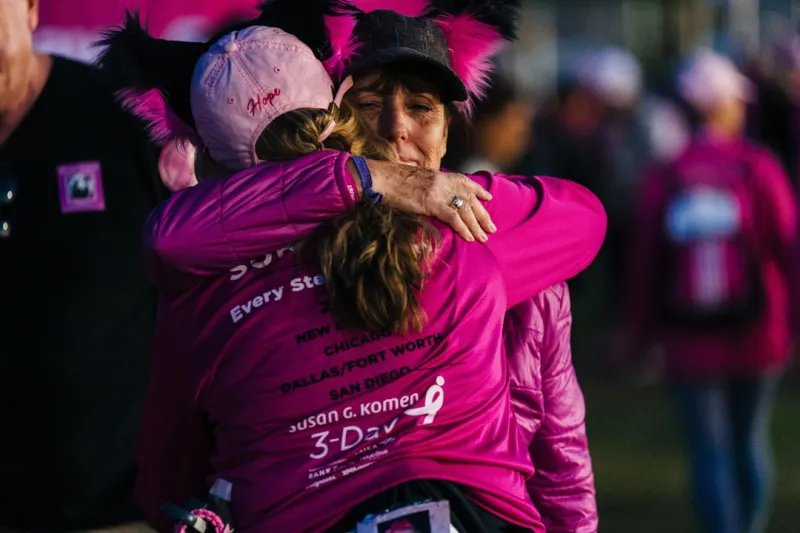
Embracing a Holistic Fight Against Cancer: My 2026 Journey to Prevention and Wellness
A personal, holistic roadmap for 2026 that blends nutrition, exercise, stress relief, and community ... Read More
Turning the Tide: Storytelling & Systems in Cancer Care
A deep dive into how storytelling, real‑time data, and purposeful environment design can transform... Read More

Turning Cancer Into a Canvas: Creative Paths to Healing
Discover how integrating creative practices—writing, visual arts, music, and movement—can transf... Read More
Top Posts

Rewiring Your Day: A Fresh Playbook for Blood Pressure Balance
A holistic, three‑pillar approach—breath architecture, micro‑movement, and mindful rhythm—offers a sustainable, personalized roadmap to lower blood pres...Read More
Turning Prediabetes Into a Launchpad for Whole‑Body Resilience
A fresh look at prediabetes shows how tiny habit shifts, supportive communities, and mindful movement can transform a health warning into a roadmap for a more i...Read More
The Digital Birth Companion: How AI and Wearables are Shaping Modern Pregnancy
A deep dive into how AI, wearables, and virtual communities are revolutionizing pregnancy, offering personalized birth plans, real‑time health monitoring, and...Read More

Rethinking Longevity: The Power of Adaptive Rhythm in Modern Workflows
A data‑driven approach to longevity that blends adaptive work rhythms, micro‑variability, and purpose, showing professionals how to sustain performance and ...Read More
0 Comments
Post Comment
You will need to Login or Register to comment on this post!