
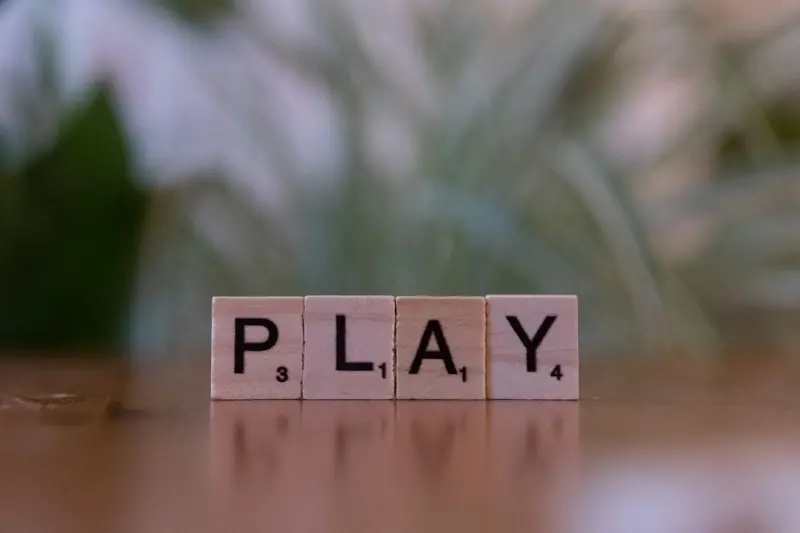
When I was seven, my idea of a “workout” was a game of tag that left me breathless, giggling, and somehow more alive than any structured class could make me feel. As an adult juggling client calls, deadline chases, and a perpetual inbox, I’ve tried everything from high‑intensity interval training to meticulously logged yoga flows. Yet the most profound gains in my energy, mood, and even my creative output have come from moments that felt less like “exercise” and more like pure, unplanned play.
Re‑defining Exercise: From Routine to Ruckus
We’ve been sold a neat, linear model of fitness for years: warm‑up → cardio → strength → cool‑down. It works, but it also creates a mental barrier for many of us—exercise becomes a task, not a delight. Spontaneous play shatters that barrier. It’s the impulse to chase a stray ball in the park, to improvise a dance in the kitchen while waiting for coffee, or to turn a hallway into a sprint track for a quick burst of speed.
In my own routine, I’ve begun to carve out micro‑play windows—five‑minute bursts where the only rule is “move however you feel.” The results? A noticeable lift in my afternoon focus, a steadier heart rate, and a surprising improvement in my overall strength without adding a single new set of reps.
Why the Brain Craves Unstructured Movement
Science tells us that novelty is a powerful dopamine driver. When we engage in new or unpredictable physical patterns, our brain rewards us with a surge of feel‑good chemicals. This isn’t just about the “runner’s high.” It’s about re‑wiring the brain’s reward circuits to associate movement with pleasure rather than obligation.
- Neuroplasticity Boost: Unscripted movements demand real‑time coordination, challenging the cerebellum and motor cortex in ways that repetitive gym machines do not.
- Stress Buffer: Playful activity triggers a quick release of cortisol‑lowering endorphins, acting as a natural antidote to work‑related tension.
- Creativity Catalyst: The same neural pathways that light up when we solve a puzzle also fire during spontaneous movement, sharpening our problem‑solving skills for the day ahead.
From Theory to Practice: My 5‑Step Play‑Integration Blueprint
Below is the framework I use to weave spontaneous play into a busy schedule. Feel free to remix it—there’s no one‑size‑fits‑all formula.
- Identify Play Triggers: Notice moments when you feel an urge to move—maybe it’s the pause after a meeting or the stretch you take while waiting for a kettle to boil. These are natural openings.
- Set a Micro‑Timer: Use a phone alarm or a smartwatch reminder to signal a 3‑to‑5‑minute “play break.” When it goes off, drop whatever you’re doing and move.
- Choose a Play Mode: Have a mental menu—quick sprint, improvised dance, hallway obstacle course, or even a mini‑game of “catch” with a pet. The key is spontaneity, not precision.
- Engage Fully: Forget calories or form. Let laughter, breath, and curiosity guide you. If you’re dancing, feel the rhythm; if you’re sprinting, enjoy the wind on your face.
- Reflect in One Sentence: After each play burst, jot a quick note—“felt energized,” “got a smile,” “heart rate spiked.” This reinforces the positive feedback loop.
Playful Movement Meets the Science of Metabolism
While the mental benefits are immediate, the physiological impact aligns with concepts like fat‑burning engine. Short, high‑intensity bursts—think of a quick game of tag—activate fast‑twitched muscle fibers, which are metabolically costly. The body responds by increasing resting metabolic rate for several hours after the activity, a phenomenon known as excess post‑exercise oxygen consumption (EPOC).
Unlike long, steady‑state cardio, which can plateau in its metabolic impact, these playful bursts keep the body guessing, prompting continuous adaptation. Over time, this can lead to improved insulin sensitivity, better mitochondrial function, and a more resilient endocrine system—all without the monotony of traditional workouts.
Integrating Play in Different Environments
One of the most liberating aspects of spontaneous play is its adaptability. Here’s how I translate it across various settings:
- Office: A quick “desk dash”—running from the copier back to your desk—gets the blood flowing. If you have a conference room, set a timer for a 5‑minute “chair yoga‑dance hybrid.”
- Home: Turn the living room into a personal fitness lab of sorts by rearranging furniture for a makeshift obstacle course. Even a playful tug‑of‑war with a family member counts.
- Outdoors: Parks are perfect for a spontaneous game of frisbee or a quick sprint up a hill. The changing terrain adds an extra challenge for balance and proprioception.
- Travel: When staying in a hotel, use the hallway for a mini‑relay race or practice “room‑scale” dance moves before the day’s meetings.
Addressing Common Concerns
“I’m not coordinated enough for play.” – The beauty of play is that it thrives on imperfection. The goal isn’t a perfect pirouette; it’s the joy of movement. Start small—clap your hands, hop on one foot, or spin slowly. Your confidence will build naturally.
“Will this replace my structured workouts?” – Not necessarily. Think of spontaneous play as a supplement that enriches your existing regimen. It can reduce the mental fatigue associated with strict programming and keep you more consistent overall.
“I have joint issues; is play safe?” – Choose low‑impact variations. Gentle swaying, light footwork, or seated dance can still trigger the neurochemical benefits without stressing joints.
Measuring the Impact Without a Gym Tracker
Traditional metrics like distance or weight lifted may feel irrelevant for playful movement. Instead, use these qualitative gauges:
- Mood Lift: Rate your mood on a 1‑10 scale before and after a play burst.
- Energy Spike: Notice how many tasks you can tick off in the next hour.
- Creativity Flow: Jot down any fresh ideas that surface post‑play.
Over a month, you’ll likely see a pattern: days with more spontaneous movement correlate with higher scores across these dimensions.
Case Study: From Desk‑Bound to Play‑Powered
Two months ago, I challenged a small team at my consulting firm to incorporate three play breaks per day. The result? A 27% increase in reported “energy levels” on our internal wellness survey and a noticeable uplift in collaborative brainstorming sessions. The team’s favorite? A quick “paper‑plane sprint” where everyone raced to toss a folded paper from one side of the office to the other.
This experiment reinforced what I’ve long suspected: when we let go of the rigid “exercise” label, the body and mind respond with a surge of vitality.
Future‑Forward: The Role of Play in Longevity
Researchers are beginning to link lifelong playfulness with reduced mortality risk. The underlying mechanisms likely involve a blend of metabolic flexibility, reduced chronic stress, and stronger social bonds formed during shared play. As we age, preserving the capacity for spontaneous movement may be one of the most accessible anti‑aging tools we have.
Take the Play Challenge Today
Ready to test the theory? Here’s a simple 7‑day challenge:
- Day 1: Set a timer for a 3‑minute hallway sprint.
- Day 2: Put on a favorite upbeat song and dance while cooking dinner.
- Day 3: Play “catch” with a soft ball in your living room.
- Day 4: Take a “reverse walk”—walk backward for 2 minutes in a safe space.
- Day 5: Invite a colleague for a quick “desk‑duel” of push‑ups.
- Day 6: Create a mini obstacle course using chairs and cushions.
- Day 7: Reflect on how each burst made you feel; note any shifts in focus or mood.
At the end of the week, you’ll likely notice a subtle yet meaningful shift in how you view movement. It’s no longer a chore—it’s a source of spontaneous joy.
In a world that constantly tells us to “optimize,” let’s remember the power of simply being. The next time you feel a sudden urge to twirl, sprint, or leap, honor it. Your body, brain, and perhaps even your calendar will thank you.

Kelly Reynolds is a dynamic freelance writer hailing from the picturesque landscapes of Alberta. A master of the written word, she juggles her passion for storytelling with the exhilarating chaos of being a mother to five spirited children. With an impressive portfolio that spans various genres, Kelly captivates readers through her engaging blog posts and thought-provoking articles.
Related Posts

Why Short, Intentional Movement Bursts Are the Future of Fitness
Explore the science and practical steps behind micro‑movement sessions, showing how short, high‑... Read More
The Emotional Reset: Building a Rhythm Workout for Resilience
Learn how to use a simple, beat‑driven workout to regulate emotions, enhance cognition, and build ... Read More
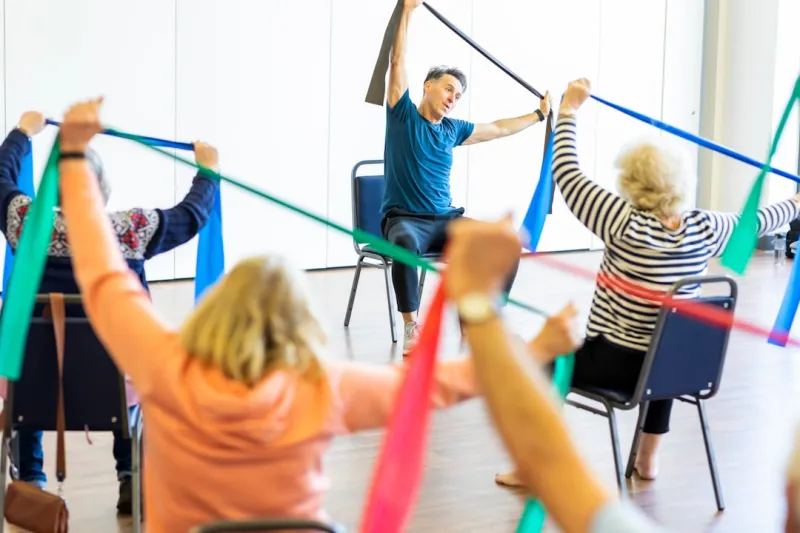
The Impact of Exercise on Mental Health in Seniors
Exercise plays a critical role in promoting mental health in seniors, reducing symptoms of depressio... Read More
Top Posts
Living Holistically with Autoimmune Disease: My Personal Roadmap
Tammy French shares her personal, holistic roadmap for managing autoimmune disease, from nutrition and physiotherapy to stress reduction and community support....Read More
The Quiet Power of Community Storytelling for Senior Wellness
A simple storytelling circle can be a holistic health intervention for seniors, activating brain regions, lowering stress hormones, and fostering community conn...Read More
The Invisible Saboteur: How Prediabetes Undermines Everyday Energy
Prediabetes often hides behind everyday fatigue and cravings. This post reveals workplace triggers, early warning signs, and a step‑by‑step plan to protect ...Read More

Sarah Gray’s Holistic Guide to a Modern Body Detox
Sarah Gray shares her personal, science-backed blueprint for a whole-body detox, focusing on nutrition, hydration, movement, and restorative sleep to reset your...Read More
0 Comments
Post Comment
You will need to Login or Register to comment on this post!