
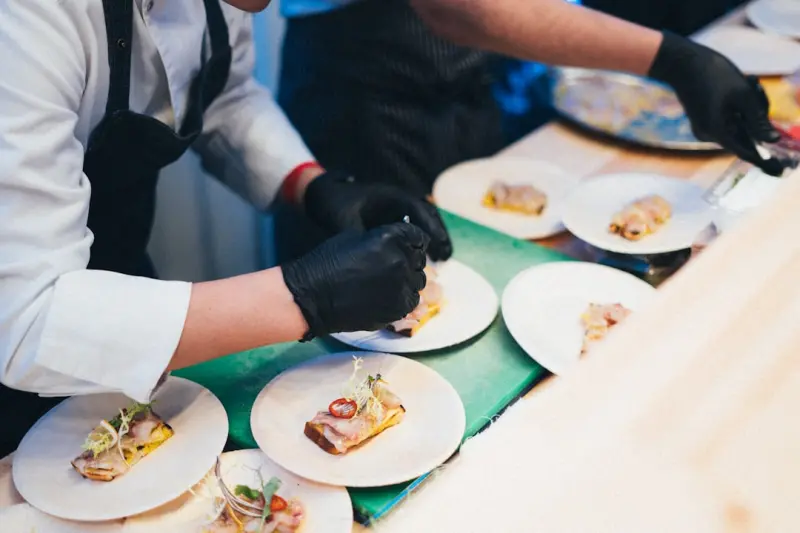
When I first started chronicling my own weight‑loss experiments, I realized that the biggest obstacle wasn’t the scale—it was a stagnant palate. The familiar routine of “same old chicken, same old salad” dulled my appetite long before any calories could make a dent. By re‑imagining meals as a series of taste‑tests, I turned the kitchen into a laboratory where curiosity, not restriction, drove the results. This shift didn’t just make eating enjoyable; it sparked a metabolic response that helped my body tap into stored fat more efficiently, all while keeping my mind engaged and my cravings at bay.
Flavor, at its core, is a powerful hormonal regulator. Capsaicin from chili peppers, for instance, has been shown to boost thermogenesis, nudging the body to burn extra calories even while you’re lounging on the couch. Likewise, the aromatic compounds in fresh herbs like rosemary and thyme can improve insulin sensitivity, smoothing the blood‑sugar spikes that often sabotage weight‑loss efforts. By deliberately incorporating these spice‑rich ingredients, you create a sensory environment that nudges your metabolism into a higher gear, turning every bite into a miniature workout for your endocrine system.
But the magic doesn’t stop at individual ingredients; it lies in the cultural narratives that shape how we eat. Exploring the culinary traditions of Mediterranean mezze plates, Japanese bento boxes, or Mexican street tacos forces you to confront portion norms you might never have questioned at home. When you adopt a smaller, beautifully arranged portion from another culture, you inadvertently recalibrate your internal “fullness gauge.” This cross‑cultural tasting tour becomes a strategic tool, allowing you to savor variety while naturally curbing excess intake.
Igniting Your Taste Buds for Fat Loss
Think of your stove as a research bench and each recipe as a hypothesis. I began logging not just calories but the sensory variables: heat level, aroma intensity, and mouthfeel. One week I swapped heavy cream sauces for a velvety blend of cauliflower puree and nutritional yeast, achieving the same creamy satisfaction with a fraction of the fat. By treating the kitchen as a place for systematic experimentation, I could track which flavor combos triggered the greatest sense of satiety, ultimately guiding me toward meals that left me full without the calorie overload.
Mindful tasting is another under‑utilized lever. When you slow down and truly notice the layers of flavor—sweetness, bitterness, umami—you give your brain more data to signal fullness. Studies show that chewing more thoroughly can reduce overall intake by up to 20 percent. By pairing mindful eating with a vibrant palette of colors and textures, you amplify the pleasure signal while simultaneously dialing down the urge to reach for a second serving.
Sharing these culinary adventures amplifies their impact. Invite friends over for a “global tasting night” where each dish is a low‑calorie reinterpretation of a classic. The social accountability, combined with the excitement of novelty, keeps you honest and motivated. In fact, the very act of explaining your ingredient swaps reinforces the mental commitment to stay on track, creating a feedback loop that sustains both weight loss and culinary curiosity.
Turning the Kitchen Into a Fat‑Burning Lab
Ingredient swaps are the bread and butter of this approach. Replace high‑glycemic rice with cauliflower rice, or swap out refined pasta for konjac noodles infused with herbs. The reduced carbohydrate load lessens insulin spikes, while the added fiber from vegetables keeps you feeling satisfied longer. By focusing on flavor‑dense, low‑calorie bases, you can stack plates that look abundant but actually deliver a modest caloric profile—perfect for creating a calorie deficit without feeling deprived.
Timing and preparation methods further enhance the metabolic advantage. Fermented foods like kimchi or sauerkraut introduce probiotics that nurture a healthy gut microbiome, a key player in weight regulation. Pairing these with a modest amount of protein at each meal stabilizes blood sugar and sustains energy levels, reducing the likelihood of late‑night snacking. The combined effect of gut health and steady nutrient delivery creates an internal environment primed for fat oxidation.
Ready to put this philosophy into practice? Start by choosing one familiar dish and re‑inventing it with at least two new spices, a lower‑calorie base, and a probiotic side. As you experiment, track how each change influences your hunger cues and energy levels. For extra inspiration, check out turn everyday activities into joyful workouts and see how movement can complement your culinary upgrades. If you need a strategic framework, the guide on treating it like a personal investment portfolio offers a roadmap for measuring progress and adjusting tactics. Embrace the adventure, and let every forkful be a step toward a leaner, more vibrant you.

Lifan Chen is a freelancer based in Toronto specializing in marketing. With expertise in crafting effective marketing strategies and campaigns, Lifan helps businesses grow their brand presence and reach target audiences. As a Toronto-based freelancer, Lifan combines local market insights with creative marketing skills to deliver tailored solutions for clients.
Related Posts

Narrative Coaching for Sustainable Weight Loss
Learn to turn weight loss into a compelling story by combining narrative coaching, habit stacking, a... Read More
Level Up Your Scale: Gamifying Weight Loss for Real Results
Learn how to turn weight loss into an engaging game by setting clear missions, earning points, and u... Read More

Weight Loss Through Storytelling: Crafting a Narrative That Fuels Change
Learn how turning your weight‑loss journey into a narrative can replace fleeting willpower with la... Read More
Top Posts

Playful Fitness: Turning Everyday Fun into Serious Strength
Learn to transform workouts into playful activities using games, music, and tech, fostering joy and sustainable fitness while fitting into a hectic schedule....Read More

Turning City Streets into a Personal Fitness Lab
Learn how to transform sidewalks, stairs, and parks into a personal fitness laboratory, boosting movement variety, mental clarity, and community connection with...Read More

When Nightmares Knock: Turning Sleep Terrors Into Insightful Allies
A fresh, compassionate approach to sleep terrors that blends somatic resets, micro‑mental declutter, and data‑informed awareness, turning nightly fear into ...Read More

Why Your Home's Air Might Be the Silent Saboteur of Your Health
A deep dive into how unseen pollutants inside your house affect your health, with practical tips, smart tech recommendations, and personal insights to improve i...Read More
0 Comments
Post Comment
You will need to Login or Register to comment on this post!