
Why Seasonal Choices Matter for Real‑World Weight Loss
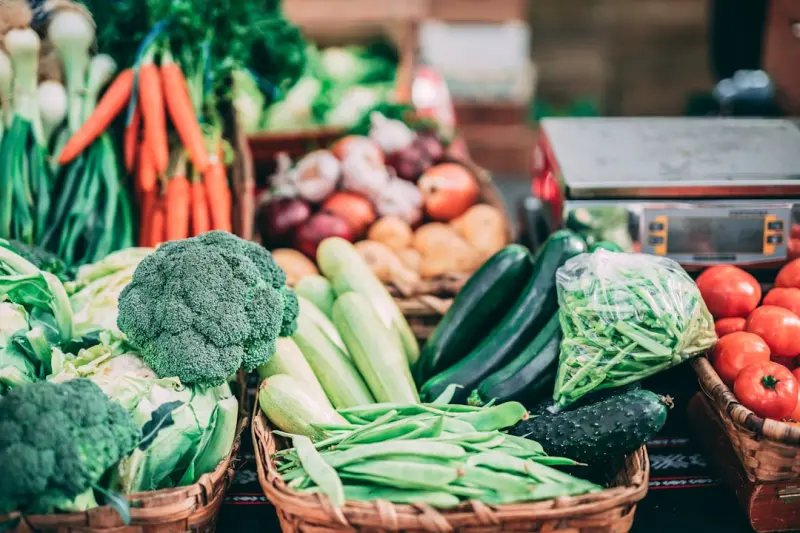
When I first stepped into my local farmer’s market in early spring, the vivid burst of fresh greens, crisp radishes, and the subtle scent of blooming herbs felt like a secret invitation to rewrite my relationship with food, and I quickly realized that the calendar itself could become an ally in the quest for a healthier body; rather than chasing fleeting diet trends, I began to align my meals with the natural rhythm of the seasons, allowing nature’s own timing to dictate the variety, flavor, and nutrient profile of what landed on my plate, which in turn sparked a cascade of metabolic benefits that felt both sustainable and surprisingly effortless. By honoring the seasonal availability of produce, I tapped into a nutrient density that is often diluted in out‑of‑season imports, giving my body a richer supply of vitamins, minerals, and phytonutrients that support everything from thyroid function to gut health, and those microscopic upgrades translated into steadier energy levels, fewer cravings, and a gentle, steady decline on the scale without the roller‑coaster of restrictive counting. The simple act of planning meals around what’s at its peak also nudged me toward more mindful cooking rituals, because when you know a certain fruit or vegetable is only here for a limited window, you’re motivated to experiment, preserve, and truly savor each bite, turning weight loss from a chore into a seasonal celebration.
Connecting Seasonal Produce to Hormonal Harmony
One of the most eye‑opening discoveries on my journey was how the ebb and flow of hormones—especially cortisol, insulin, and leptin—can be subtly modulated by the timing and type of foods we consume, and I found that many of the vegetables that dominate the summer harvest, such as zucchini, tomatoes, and leafy greens, are naturally low in glycemic load while being packed with magnesium and B‑vitamins that help calm cortisol spikes, which means the body stays in a more balanced state, making fat storage less likely and metabolic burn more efficient. Conversely, the heartier root vegetables of autumn, like carrots, beets, and sweet potatoes, provide complex carbohydrates that slowly release glucose, supporting stable insulin levels throughout the day and preventing the blood‑sugar roller‑coaster that often triggers hunger pangs and emotional eating, especially in the evenings when cravings tend to be strongest. By rotating my menu to mirror these seasonal hormonal cues, I created a dynamic eating pattern that respects my body’s internal clock, leading to smoother sleep, improved mood, and a noticeable reduction in stubborn belly fat that had resisted conventional calorie‑counting methods.
Boosting Satiety with Nutrient‑Dense Seasonal Foods
Satiety isn’t just about filling the stomach; it’s about feeding the brain with the right signals, and research shows that foods rich in fiber, water, and protein—attributes abundant in in‑season produce—trigger the release of hormones like peptide YY and GLP‑1 that tell us we’re full, and when I swapped out off‑season, processed snacks for crisp, water‑laden cucumbers, juicy strawberries, and fiber‑rich kale during their peak months, I noticed a dramatic drop in mid‑day snacking, which translated into an average caloric deficit of 200–300 kcal without feeling deprived. Moreover, the vibrant colors of seasonal fruits are often indicators of antioxidants such as anthocyanins and carotenoids, which have been linked to reduced inflammation—a hidden factor that can blunt weight‑loss efforts by impairing insulin sensitivity and promoting fat accumulation; by loading my plate with a rainbow of seasonal options, I not only satisfied my palate but also gave my body the anti‑inflammatory tools it needed to burn fat more efficiently. The combination of higher fiber, lower energy density, and powerful phytonutrients creates a trifecta of satiety, nutrient adequacy, and metabolic boost that outperforms many “low‑fat” or “low‑carb” fad diets that ignore the quality of the calories consumed.
Leveraging the Thermic Effect of Seasonal Cooking
Cooking methods play a surprisingly large role in the calories your body actually absorbs, and I discovered that when I prepare seasonal vegetables using techniques that preserve their structure—such as quick sautéing, steaming, or roasting with a drizzle of olive oil—the body expends additional energy to digest the complex carbohydrates and protein‑rich fibers, a phenomenon known as the thermic effect of food, which can increase daily calorie burn by up to 10 % on days when the menu is heavy on fresh, whole foods; this effect is magnified when the dishes incorporate spices like ginger, cayenne, and turmeric, which not only enhance flavor but also stimulate metabolism and improve digestion. By focusing my meal prep around seasonal produce, I naturally gravitated toward lighter cooking styles that avoid deep‑frying or excessive butter, reducing hidden calories while still delivering satisfying textures and flavors, and the visual appeal of a colorful, seasonally‑aligned plate kept my motivation high, turning the kitchen into a laboratory of metabolic optimization rather than a battleground of restriction. In practice, a simple stir‑fry of spring asparagus, snap peas, and a handful of toasted almonds not only delights the senses but also forces the body to work a little harder to break down the plant proteins and healthy fats, contributing quietly yet consistently to the overall calorie deficit needed for sustainable weight loss.
Saving Money While Eating Seasonally
One of the biggest barriers people cite when considering a seasonal diet is cost, yet I found that buying produce at its peak not only maximizes flavor but also dramatically reduces price, because farms and markets often offer discounts on crops that are abundant and ready for harvest, and by planning my weekly meals around the weekly produce flyer, I was able to cut my grocery bill by nearly a third while still enjoying a diverse menu that kept my taste buds engaged and my waistline shrinking; the key is flexibility—building a “core” list of staple proteins and grains that stay constant while swapping in whatever fruits or vegetables are on sale that week, which turns the grocery run into a creative challenge rather than a rigid checklist. Additionally, seasonal buying encourages the use of preservation techniques like freezing, pickling, or dehydrating, allowing you to lock in nutrients and flavor for months later, effectively extending the benefits of a single harvest across the entire year and eliminating the need for pricey out‑of‑season imports that often come with added sugars or preservatives. This frugal, forward‑thinking approach not only supports a healthier body but also aligns with a more sustainable lifestyle, reinforcing the idea that weight loss doesn’t have to come at the expense of financial well‑being or the planet.
Integrating Tiny Habit Stacking for Seasonal Success
To make seasonal eating a lifelong habit, I combined the concept of tiny habit stacking—a method I previously explored in tiny habit stacking—with the natural cadence of the farmer’s market, and the result was a series of micro‑actions that slipped effortlessly into my daily routine; for example, after I brewed my morning coffee, I would glance at the weekly produce flyer, pick one new fruit to incorporate into breakfast, and then set a reminder to prep a simple snack using that fruit for mid‑day cravings, creating a cascade of small wins that reinforced my commitment without overwhelming my schedule. Over time, these layered habits formed a robust framework: a quick visual check of seasonal options, a brief grocery list update, and a 5‑minute prep session each evening, all of which compounded into a noticeable shift in food choices, calorie intake, and ultimately weight loss, demonstrating that the power of consistency can be amplified when the actions are tied to the external rhythm of the seasons. By treating each seasonal transition as a cue for a new stack of tiny habits, I turned the abstract idea of “eating with the seasons” into concrete, repeatable steps that kept me accountable and excited throughout the year.
Hydration, Minerals, and Seasonal Fat Burn
While food is the centerpiece of any weight‑loss plan, the role of hydration and mineral balance is often overlooked, and I realized that the mineral composition of seasonal produce can guide my fluid intake strategy, especially when paired with the insights from hydration hacks that emphasize electrolytes for metabolic efficiency; for instance, summer berries are rich in potassium, which helps regulate cellular fluid balance and supports efficient fat oxidation, so I began pairing a bowl of fresh strawberries with a glass of lightly salted water, a simple habit that kept my electrolyte levels optimal and reduced the urge to reach for sugary drinks. In colder months, root vegetables like turnips and parsnips supply magnesium, a mineral that aids in over‑one‑hundred enzymatic reactions, including those involved in energy production and glucose metabolism, and by sipping a warm broth infused with these veggies, I not only stayed hydrated but also supplied my body with the minerals needed to sustain a higher basal metabolic rate. This mindful coupling of seasonal nutrients with targeted hydration turned an often‑ignored component of weight loss into a strategic advantage, reinforcing the broader message that every small, season‑specific tweak can add up to meaningful, lasting results.
Putting It All Together: Your Seasonal Weight‑Loss Blueprint
When you look at the bigger picture, seasonal eating isn’t a fleeting diet; it’s a holistic framework that intertwines nutrient timing, hormonal balance, satiety cues, metabolic cooking, financial savvy, habit stacking, and mineral‑focused hydration into a cohesive strategy that naturally guides you toward a leaner, healthier self, and the beauty of this approach lies in its adaptability—no matter where you live or what your schedule looks like, you can tune into the local harvest calendar, make a handful of small, intentional adjustments, and watch the scale respond without feeling deprived or overwhelmed. I encourage you to start simple: identify one seasonal fruit or vegetable each week, experiment with a new cooking method that highlights its natural flavors, and embed a tiny habit that reinforces the choice, all while staying mindful of your water and mineral intake; over time, these incremental steps become a rhythm that your body anticipates and thrives on, turning weight loss into a sustainable, enjoyable part of everyday life. If you’re ready to break free from the endless cycle of restrictive diets and embrace a strategy that respects both nature’s timing and your personal goals, give seasonal eating a try and notice how the synergy of fresh, nutrient‑dense foods and mindful habits can transform not just your waistline, but your overall relationship with food and wellness.

Sarah Gray is a proud Canadian who calls Brampton home, where she lives with her husband, Paul. A passionate home cook and gifted storyteller, Sarah loves creating delicious recipes and sharing stories inspired by everyday life, family, and cherished experiences. When she isn't experimenting in the kitchen, she's busy crafting engaging content that reflects her warmth, creativity, and love of connection. Above all, Sarah treasures time spent with her grandchildren, embracing every opportunity to create lasting memories with the people she loves most.
Related Posts

Weight Loss Through Storytelling: Crafting a Narrative That Fuels Change
Learn how turning your weight‑loss journey into a narrative can replace fleeting willpower with la... Read More

Playful Weight Loss: Turning Everyday Moments into a Sustainable Fitness Adventure
Learn to transform everyday activities into calorie‑burning opportunities, using playful habits, s... Read More

Redefining Weight Loss: Identity, Micro‑Shifts, and Storytelling for Sustainable Change
A new weight‑loss roadmap uses identity, micro‑movements, and narrative journaling to create sus... Read More
Top Posts

Unlocking Hidden Value in Your Health Insurance
Learn how to transform your health insurance from a safety net into an active wellness toolbox, leveraging telehealth, mental‑health coverage, alternative the...Read More

When the Night Won’t Let You Sleep: Turning Wakefulness Into a Strategic Edge
Insomnia can be a hidden signal about your body and habits. This guide shows how to map triggers, leverage wearables, and turn sleepless nights into a strategic...Read More

Sleep Your Way Out of Prediabetes: Nighttime Strategies for Better Blood Sugar
Learn why sleep is a hidden lever for blood sugar control and get actionable nighttime routines, from screen curfews to micro‑movement stretches, to help reve...Read More

The Future of Health Insurance: How Mental Health and Preventive Care Are Revolutionizing the Industry
The health insurance industry is undergoing a significant transformation, driven by the growing awareness of mental health and preventive care. Learn how this s...Read More
0 Comments
Post Comment
You will need to Login or Register to comment on this post!