
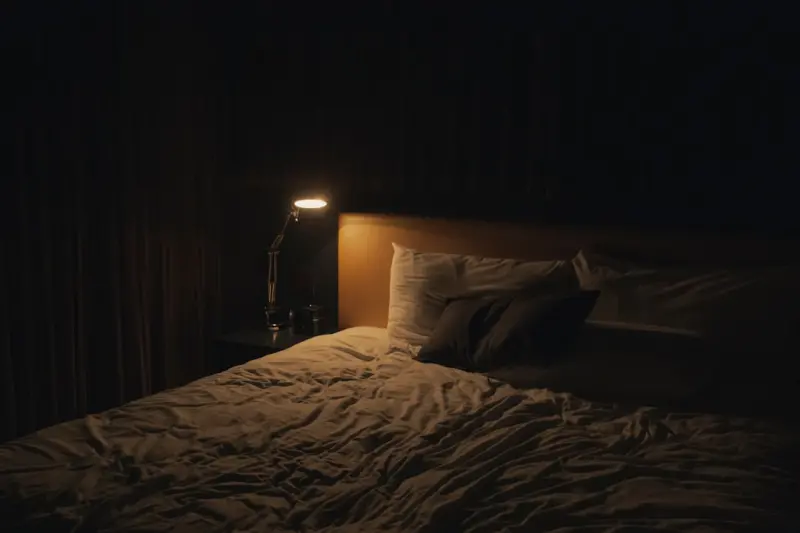
It’s 3 a.m., the house is silent, and the ceiling fan hums like a low‑key audience waiting for a performance you never rehearsed. Your mind is buzzing, the to‑do list has turned into a manifesto, and the idea that you’re “just tired” feels like a betrayal. I’ve been there, and I’ve learned that insomnia isn’t merely a nuisance—it’s a data point, a hidden metric that can reveal how our bodies, environments, and habits are silently negotiating with us.
Why Insomnia Isn’t Just “Can’t Sleep”
Most conversations about sleeplessness reduce it to a binary: asleep or awake. But the truth is far richer. The brain’s arousal system is a sophisticated orchestra of neurochemicals, circadian cues, and external stimuli. When any one of these instruments goes off‑beat, the whole symphony can collapse into a restless night.
Think of insomnia as a system alert rather than a glitch. In the same way a server throws an error when resources are strained, your nervous system flashes a warning when something is out of balance—be it stress hormones, temperature, or even gut signaling. Ignoring that alert doesn’t fix the root cause; it only forces you to work harder at the surface level.
Mapping the Hidden Triggers
To transform insomnia from a nightly adversary into a strategic insight, start with a cause‑and‑effect map. Grab a notebook or a digital mind‑map tool and chart the following categories:
- Physiological: caffeine intake, hormonal cycles, chronic pain, medication timing.
- Environmental: bedroom temperature, blue‑light exposure, ambient noise, air quality.
- Psychological: unresolved work stress, relationship tension, anxiety loops, rumination patterns.
- Behavioral: screen time before bed, irregular sleep‑wake schedule, late‑night meals.
When you systematically log these variables over a week, patterns begin to surface. You might discover, for instance, that a 30‑minute binge of industry podcasts at 11 p.m. spikes your adrenaline levels, or that a subtle shift in room humidity correlates with deeper, longer REM phases.
Leveraging Wearable Data for Insight
Enter the era of wearable technology. Modern devices can track heart‑rate variability (HRV), skin temperature, and even subtle movements that indicate micro‑arousals. By pairing this biometric data with your cause‑and‑effect map, you gain a quantified view of what truly nudges you awake.
For example, a drop in HRV often precedes a night of fragmented sleep. If you notice a consistent dip after late‑day meetings, you’ve identified a concrete lever to adjust: schedule high‑stakes conversations earlier, or implement a calming transition routine (e.g., a 5‑minute breathing exercise) before you log off.
The Power of “Productive Wakefulness”
Now, let’s flip the script. If you’re already awake, why not allocate those minutes to a purpose that fuels your broader goals? This isn’t about forcing yourself to write a novel at 2 a.m.; it’s about recognizing the unique mental state that insomnia creates and channeling it wisely.
During a sleepless spell, the brain’s default mode network (DMN) is highly active, which can enhance creative associations. Many innovators—think of famous artists, scientists, and entrepreneurs—report that their most breakthrough ideas arrived in the dead of night. The key is to have a pre‑planned “night‑time workspace” ready:
- Physical tools: a notebook, a stylus, a whiteboard, or a voice recorder.
- Digital shortcuts: a notes app with a “Night Ideas” folder, or a project management board where you can drop quick tasks.
- Environmental cues: dim amber lighting, a soothing scent (lavender or cedar), and a comfortable chair that doesn’t invite sleep.
When the clock strikes 3 a.m., instead of scrolling mindlessly, you spend five minutes jotting down any stray thoughts. Over time, you’ll notice a repository of half‑formed concepts that can be refined during regular work hours.
Designing a “Night‑Friendly” Routine
Traditional sleep hygiene advice—avoid caffeine after noon, keep the room dark, limit screens—remains valuable. However, for chronic insomniacs, these guidelines can feel like a one‑size‑fits‑all blanket that never quite fits. A more nuanced routine acknowledges the wakeful period as a distinct phase rather than a failure.
Here’s a three‑stage approach I’ve refined:
- Wind‑Down (60–90 minutes before bed): Replace high‑stimulus activities with low‑intensity ones. Swap a Netflix binge for an audiobook or a guided meditation that focuses on progressive muscle relaxation. Dim the lights to warm tones and consider a brief journaling prompt: “What’s on my mind right now?” Write it down, then close the notebook.
- Transition (15 minutes of “neutral” activity): Engage in a non‑cognitive task that doesn’t demand decision‑making—like folding laundry, gentle stretching, or sorting a small drawer. The goal is to let the brain shift gears without triggering the “task‑switch” penalty.
- Productive Wakefulness (if sleep still evades you): Activate your pre‑planned night workspace for a maximum of 20 minutes. Set a timer, and when it rings, return to the wind‑down stage or, if you feel genuinely alert, consider a brief, low‑intensity exercise (e.g., a 5‑minute walk). This movement can recalibrate your circadian rhythm without over‑stimulating you.
Nutrition Timing and Its Surprising Role
While the Clockwork Diet explores meal timing for blood sugar, a similar principle applies to sleep. Consuming heavy, protein‑rich meals within two hours of bedtime can elevate metabolic activity, raising core temperature and delaying the onset of the sleep‑inducing hypothalamic signals.
Instead, aim for a light, carbohydrate‑focused snack—think a banana with a drizzle of almond butter or a small bowl of oatmeal. The modest glucose boost can facilitate the release of serotonin, a precursor to melatonin, nudging your brain toward a sleepy state without causing a digestive surge.
Environmental Tweaks That Actually Work
Many of us assume that a cooler room is universally better, but the ideal temperature is highly individual. A good starting point is 65–68 °F (18–20 °C). If you find yourself shivering or sweating, adjust incrementally. Additionally, consider the air quality:
- Humidity: Aim for 40–50 % relative humidity. Too dry air can irritate the nasal passages, triggering micro‑arousals.
- Plants: Certain houseplants, such as snake plant or peace lily, can improve indoor oxygen levels and absorb volatile organic compounds (VOCs), subtly enhancing sleep quality.
- Sound masking: A low‑volume white‑noise machine or a fan can drown out sporadic household noises that might otherwise cause micro‑wakefulness.
Addressing the Cognitive Loop
One of the most stubborn facets of insomnia is the mental spiral: “I can’t sleep, which makes me anxious, which makes me even less able to sleep.” To break this loop, practice a meta‑cognitive pause. When you notice the thought pattern, label it: “I’m having the ‘can’t‑sleep’ thought.” This simple act creates a mental distance, reducing its emotional charge.
Following the label, employ a grounding technique—such as the 5‑4‑3‑2‑1 sensory exercise—to anchor yourself in the present moment. Count five things you can see, four you can touch, three you can hear, two you can smell, and one you can taste. This shifts focus from future‑oriented worry to present‑oriented awareness, often dissolving the spiral.
When Insomnia Signals Deeper Health Concerns
Persistent sleeplessness can be a symptom of underlying conditions: hormonal imbalances (thyroid, cortisol), chronic inflammation, or even subtle nutrient deficiencies (magnesium, vitamin D). A comprehensive blood panel can reveal hidden culprits.
For example, low magnesium levels can impair the GABAergic system, the brain’s primary inhibitory pathway, making it harder to achieve the calm needed for sleep. Supplementation—under professional guidance—may restore balance and ease nighttime wakefulness.
Integrating Social Support Without “Sharing” Your Struggle
One common misconception is that you must suffer insomnia in isolation. While you don’t need to broadcast every sleepless night, having a trusted accountability partner can be a game‑changer. Agree on a “sleep check‑in” where you briefly discuss patterns, successes, and setbacks—without turning it into a complaint session.
This peer dialogue can surface novel solutions you hadn’t considered. Perhaps your partner discovered a calming tea blend that works for them, or they’ve experimented with a new breathing app that integrates seamlessly with their smartwatch.
Turning the Insight Into Action: A 30‑Day Blueprint
To translate the observations above into tangible change, commit to a structured 30‑day plan:
- Week 1 – Data Collection: Use a wearable to log HRV, sleep stages, and heart rate. Simultaneously, maintain a sleep journal noting meals, caffeine, stress events, and ambient conditions.
- Week 2 – Pattern Identification: Review the data, highlight recurring triggers, and choose two to modify (e.g., evening caffeine, bedroom temperature).
- Week 3 – Experimentation: Implement the two changes, monitor effects, and introduce the “productive wakefulness” workspace for any residual awake time.
- Week 4 – Optimization: Refine the routine based on outcomes. Add a nutritional tweak if needed, and schedule a brief check‑in with your accountability partner.
At the end of the month, you should have a personalized insomnia management protocol—rooted in data, reinforced by habit, and enriched by the creative potential of those quiet hours.
Final Thought: Embrace the Night as a Data‑Rich Canvas
Insomnia is rarely a simple inconvenience; it’s an invitation to explore the intricate dialogue between body, mind, and environment. By treating sleeplessness as a signal rather than a flaw, you unlock a feedback loop that can improve not only your sleep but also your daytime performance, creativity, and overall health.
So the next time the clock strikes three and the ceiling fan keeps its steady hum, remember: you’re not just battling a restless night—you’re gathering priceless intel. And with the right tools, mindset, and a dash of purposeful curiosity, you can turn those night‑time wakeful moments into a strategic advantage.

Brody Lambert is an emerging freelance writer whose fresh voice and thoughtful approach are quickly making their mark. As a fairly new entrant in the world of freelance writing, Brody brings a blend of curiosity and dedication that fuels every project, crafting stories and content that resonate with authenticity and clarity.
Related Posts

Why the Traditional “Just Sleep More” Playbook Fails
Insomnia is often painted as a personal failing—a sign that you’re not “sleep‑ready” or th... Read More

Decoding Insomnia with Data: A New Playbook for Restless Minds
A data‑first approach to insomnia reveals hidden physiological triggers, while personalized sounds... Read More

Designing a Sleep Sanctuary: How Soundscapes Can Quiet Insomnia
Discover the power of auditory design in battling insomnia. This guide walks you through building a ... Read More
Top Posts
The Creative Rituals Behind Modern Vaping
Explore vaping beyond nicotine: a personal journey into creativity, social connection, and eco‑friendly practices that transform each puff into a mindful ritu...Read More

Why Playful Micro‑Movements Are the Next Fitness Frontier
Micro‑movement redefines exercise as short, playful bursts that fit into any schedule. Learn why this approach boosts health, mood, and productivity, and get ...Read More

Finding Freedom: A Holistic Journey Through Eating Disorders
A personal, holistic guide to breaking free from eating disorders—blending therapy, mindful nutrition, and community for sustainable healing....Read More

When the Night Stops Breathing: Turning Sleep Apnea Into a Competitive Edge
Sleep apnea can feel like a hidden saboteur, but by treating it as a performance metric—using data, optimizing your bedroom, and practicing specific breathing...Read More
0 Comments
Post Comment
You will need to Login or Register to comment on this post!