
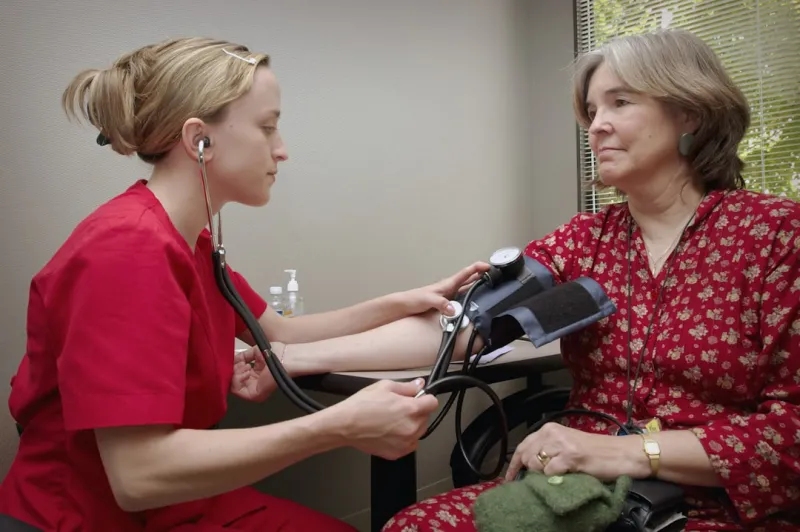
When I first sat down with my own blood‑pressure cuff after a particularly stressful client sprint, the numbers stared back at me like a neon billboard flashing “RED ZONE.” I had always trusted the occasional check‑up, but that moment sparked a deeper curiosity: what everyday levers could I pull to keep my pressure steady without relying on medication alone? Over the past few years, I’ve turned the pursuit of a balanced systolic and diastolic into a series‑of‑experiments, each one rooted in habit, environment, and community. Below, I’m sharing the playbook that emerged—a mix of science‑backed tweaks and personal anecdotes that have helped me keep my numbers in the sweet spot.
1. The Rhythm Reset: Music, Breath, and Pulse Synchronization
It sounds almost too simple, but aligning your breathing with a steady rhythm can dramatically calm the autonomic nervous system, which directly influences blood pressure. I started each morning with a five‑minute “pulse‑matching” session: a low‑tempo instrumental track (around 60–70 beats per minute) playing in the background while I practiced diaphragmatic breathing.
- Why it works: The heart naturally mirrors external rhythms. A slower, consistent beat encourages the vagus nerve to signal relaxation, lowering both heart rate and vascular resistance.
- How to start: Choose a song without sudden crescendos—classical piano, ambient synth, or even a nature soundscape. Inhale for four counts, exhale for six, letting the music guide you. Over a few weeks, my resting systolic dipped by 5 mmHg on average.
Don’t underestimate the cumulative effect. Even on days when you can’t sit down for a full session, humming a familiar tune while walking can provide a subtle, yet measurable, pressure‑lowering benefit.
2. The Power of Community Accountability
When I announced my blood‑pressure experiment to my close circle of fellow freelancers, the response was immediate: “Let’s track together!” We created a private chat where each member posted weekly cuff readings, swapped recipe ideas, and celebrated small wins. The social dimension turned a solitary health goal into a shared mission.
Research shows that peer support improves adherence to lifestyle changes by up to 40 %. The simple act of knowing someone else is watching (in a supportive way) adds a layer of motivation that often eclipses personal willpower alone.
If you’re hesitant to go public, start with a trusted friend or a small group. Set a recurring check‑in (e.g., every Sunday night) and treat the data as a conversation starter rather than a judgment tool.
3. Food Swaps That Speak the Language of Vessels
Instead of overhauling your entire diet, focus on strategic swaps that gently shift sodium and potassium balances—two critical players in vascular tone.
- Swap processed sauces for herb‑infused olive oil. A tablespoon of olive oil with rosemary, thyme, and garlic delivers healthy fats without the hidden salt of commercial dressings.
- Replace white rice with quinoa or farro. These grains pack more magnesium and potassium, both of which help relax arterial walls.
- Snack on a handful of unsalted nuts instead of chips. The crunchy satisfaction remains, but the sodium load drops dramatically.
These tiny shifts may seem minor, yet over months they add up to a noticeable reduction in systolic pressure. To get a deeper view of how nutrient quality influences overall health, explore data‑driven nutrition scoring—a method that helped me prioritize foods that support vascular health.
4. Movement Beyond the Gym: Micro‑Movement Integration
Long hours at a desk are a silent pressure‑pump for many of us. The trick isn’t to schedule a marathon workout (though that’s great too) but to embed subtle motion throughout the day. I began a habit of standing up for a minute every 30 minutes, followed by a simple shoulder roll and ankle flex.
These micro‑movements keep blood flowing, prevent the stiffening of arteries, and reduce the “couch‑potato” effect of sedentary work. For a concise guide on integrating tiny desk exercises into your routine, check out the tiny desk exercises guide I referenced earlier. The result? A more fluid circulation pattern that translates into lower resting readings.
5. Hydration with a Twist: Electrolyte‑Balanced Water
Most of us think of water as a neutral hydrator, but the mineral composition can shift blood pressure. Too much sodium in your water source can subtly raise vascular resistance. I started using a home filtration system that retains magnesium and calcium while removing excess sodium. Adding a pinch of natural sea salt (rich in trace minerals) or a splash of citrus not only improves taste but also supports electrolyte balance.
Remember: the goal isn’t to drink endless gallons, but to maintain steady hydration throughout the day, aiming for roughly 30 ml per kilogram of body weight. This guideline keeps blood volume stable without overloading the kidneys.
6. Sleep Architecture as a Blood‑Pressure Modulator
Sleep isn’t just about duration; it’s about the stages you achieve. Deep, slow‑wave sleep triggers a nocturnal dip in blood pressure—a natural “reset” that prepares the cardiovascular system for the next day. To enhance this dip, I adopted three habits:
- Temperature control: Keeping the bedroom cool (around 65 °F) encourages deeper sleep cycles.
- Blue‑light curfew: Turning off screens at least an hour before bed reduces melatonin disruption.
- Evening ritual: A brief, gentle stretch session combined with a cup of chamomile tea signals the body to unwind.
Within a month, my nighttime blood‑pressure readings fell consistently, reinforcing the link between restorative sleep and vascular health.
7. Mindful Stress‑Buffering Techniques
Stress is the silent catalyst that spikes blood pressure, often without us noticing. While meditation is a popular suggestion, I found that a hybrid approach—combining brief visualization with a gratitude journal—creates a more immediate impact.
Each evening, I spend three minutes visualizing a calm river flowing past a smooth stone, then write down three things I’m grateful for that day. This dual practice not only lowers cortisol (the stress hormone) but also shifts mental focus away from worry, reducing the sympathetic “fight‑or‑flight” response that tightens arteries.
8. Tracking Progress Without Obsession
Data can be empowering, but it can also become a source of anxiety. I set up a simple spreadsheet with columns for date, morning systolic/diastolic, evening reading, sleep hours, and a brief note on lifestyle factors (e.g., “had extra salty dinner”). This low‑tech approach provides pattern insight without the pressure of constant monitoring.
Every month, I review the trends, celebrate the downward shifts, and adjust one small variable for the next cycle. The process feels like a collaborative experiment rather than a punitive test.
9. Seasonal Adjustments: Leveraging Nature’s Rhythm
Did you know that blood pressure naturally fluctuates with the seasons? Cold weather can cause vessels to constrict, while heat can lead to dilation. I adapt my routine accordingly:
- Winter: Increase indoor activity (e.g., short yoga flows) and add a dash of cinnamon to warm beverages—cinnamon has been shown to support vascular function.
- Summer: Prioritize cooling foods like cucumber, watermelon, and leafy greens, and stay hydrated with electrolyte‑balanced water.
These subtle seasonal tweaks help smooth out the natural peaks and valleys that otherwise would reflect in my cuff readings.
10. When to Call in Professional Help
While lifestyle adjustments are powerful, they’re not a substitute for medical guidance when numbers remain high. I keep an open line with my primary care physician, sharing my tracking spreadsheet during check‑ups. This collaborative approach ensures that if medication becomes necessary, it’s introduced with a clear baseline and a plan for ongoing lifestyle support.
In my journey, the most rewarding moments weren’t the occasional drop of a few points but the realization that I could influence my body’s core systems with intentional, everyday actions. Blood pressure isn’t a fate sealed by genetics; it’s a dynamic metric that responds to rhythm, community, nourishment, movement, and rest. If you’re ready to experiment, start small, stay consistent, and remember that every gentle nudge counts toward a healthier heart.

Tammy French is a Montessori Teaching Assistant and freelance writer passionate about education, creativity, and inspiring lifelong learning through engaging content.
Related Posts
Quiet Levers: Micro‑Habits to Naturally Lower Blood Pressure
A deep dive into subtle, everyday adjustments—from soundscapes and lighting to brief cold exposure... Read More
My Holistic Blueprint for Managing Blood Pressure Naturally
Nikki McDonald shares her personal, holistic plan for lowering blood pressure through diet, movement... Read More

Community Ways to Lower Blood Pressure
Discover how building a supportive community, leveraging micro‑habits, and incorporating playful c... Read More
Top Posts
The Hidden Business Cost of Sleep Apnea and How to Fix It
Sleep apnea silently erodes executive function, emotional stability, and team performance. This article reveals the physiological link, wearable detection metho...Read More

Unlocking Creative Flow: How Exercise Fuels Business Innovation
A deep dive into how integrating purposeful exercise into daily routines can spark fresh ideas, sharpen focus, and transform workplace culture for lasting innov...Read More

Why Community Rhythm Beats Solo Sessions in Physiotherapy
Explore the transformative power of community physiotherapy, where shared movement, peer support, and inclusive protocols create faster recovery and deeper empo...Read More

Curiosity as a Catalyst: Rewiring Your Brain for Joyful Mental Health
Learn to use curiosity as a daily mental‑health tool, turning rumination into discovery and enriching relationships through mindful questioning....Read More
0 Comments
Post Comment
You will need to Login or Register to comment on this post!