
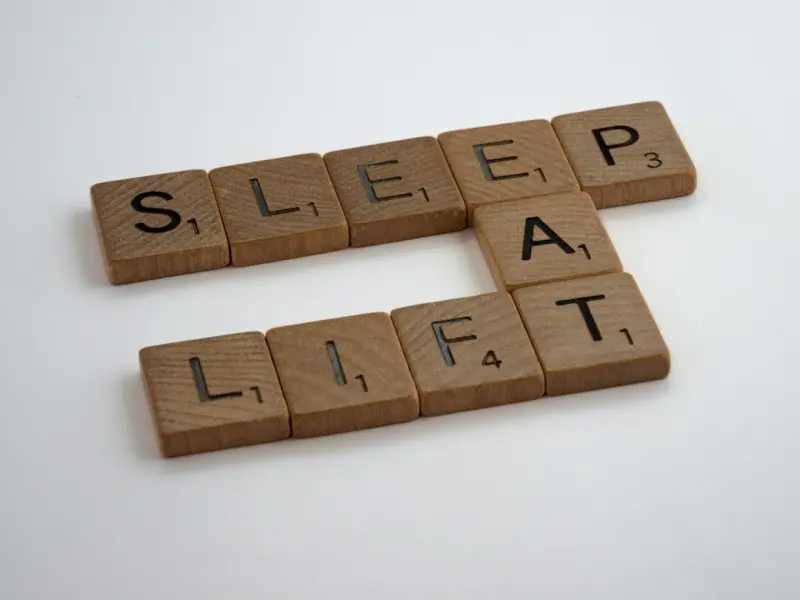
When Snoring Becomes a Business Liability: Unpacking Sleep Apnea’s Hidden Cost to Professionals
Imagine walking into a boardroom, ready to pitch a multi‑million‑dollar partnership, only to find your mind foggy, your energy tank at 20 %, and a lingering sense that you’re not quite present. You brush it off as a bad night’s sleep, but the truth might be far more systemic: undiagnosed or poorly managed sleep apnea. In my own journey from restless nights to high‑stakes meetings, I discovered that sleep apnea isn’t just a medical condition—it’s a silent performance‑killer that can erode productivity, creativity, and even corporate culture.
In this piece, I’ll peel back the layers that most executives and founders overlook:
- The physiological cascade that turns intermittent breathing pauses into daytime brain fog.
- How chronic oxygen dips subtly sabotage decision‑making and emotional regulation.
- Practical, data‑driven strategies—leveraging wearables, micro‑mindfulness, and environment design—to reclaim your cognitive edge.
By the end, you’ll have a concrete playbook that transforms a hidden health risk into a competitive advantage for you and your team.
The Physiology 101: Why a Pause in Breath Can Pause Your Brain
Sleep apnea, in its simplest form, is a repetitive interruption of airflow during sleep. The most common type—obstructive sleep apnea (OSA)—occurs when the soft tissue at the back of the throat collapses, briefly choking off oxygen. Each pause can last from a few seconds to over a minute, and these events can repeat dozens to hundreds of times per night.
When oxygen levels dip, the body triggers a surge of adrenaline, spikes heart rate, and briefly awakens the brain—often without the sleeper ever realizing they were “awake.” Over time, this cycle creates a chronic state of sympathetic overdrive, which has three knock‑on effects that matter in the boardroom:
- Reduced Executive Function: The prefrontal cortex—the brain’s decision‑making hub—needs a steady supply of oxygen to maintain focus, plan, and inhibit impulsive reactions. Intermittent hypoxia blunts this region, leading to slower processing speed and poorer judgment.
- Emotional Volatility: Fluctuating oxygen fuels the amygdala’s threat‑detection circuits. The result? Heightened irritability, reduced patience, and an over‑reactive stress response—exactly the opposite of the calm confidence leaders need.
- Metabolic Drag: Sleep fragmentation drives insulin resistance and cortisol spikes, both of which can sap energy reserves and increase the likelihood of weight gain, creating a feedback loop that worsens OSA.
All of this happens while you’re asleep. The next morning, you walk into work with the physiological residue of a night spent fighting for each breath.
Beyond the Bedroom: The Corporate Ripple Effect
When one team member wrestles with untreated sleep apnea, the impact radiates beyond personal health:
- Team Cohesion: A leader who’s chronically irritable or forgetful can unintentionally erode trust. Subtle shifts in tone or missed deadlines ripple through the group, eroding morale.
- Innovation Stagnation: Creativity thrives on the ability to hold multiple ideas in mind and make novel connections. The prefrontal deficits associated with OSA shrink that mental bandwidth, leading to safer, less daring proposals.
- Safety Risks: In industries where alertness is non‑negotiable—think logistics, manufacturing, or healthcare—a momentary lapse can become a costly accident.
Yet, despite the stakes, sleep apnea remains under‑diagnosed in the professional sphere. According to recent occupational health surveys, up to 80 % of adults with moderate to severe OSA have never been screened. The silent nature of the disorder, combined with the stigma of “sleep problems,” makes it a perfect candidate for proactive, data‑driven detection.
Turning Data Into Early Warning Signals
One of the most powerful tools at our disposal today is the wearable. While many of us use smartwatches for step counts or heart‑rate zones, the same sensors can flag the physiological fingerprints of sleep apnea before a formal sleep study is ordered.
Think of your wearable as a personal health sentinel—much like the system described in Turning Your Wearable Into an Autoimmune Early‑Warning System. By monitoring nocturnal heart‑rate variability (HRV), oxygen saturation spikes, and micro‑arousals, these devices generate a risk score that can prompt a conversation with a clinician.
Here’s a quick checklist to maximize the diagnostic potential of your device:
- Enable SpO₂ Tracking: If your watch offers pulse‑oximetry, enable it for night‑time monitoring. A recurring dip below 90 % is a red flag.
- Review Restless Night Metrics: Look for elevated “sleep interruptions” or “low‑quality sleep” percentages. Sudden spikes often correlate with apnea events.
- Set a Weekly Review Routine: Rather than checking data once a month, schedule a 10‑minute weekly review. Consistency helps you spot trends before they become entrenched patterns.
When the data points to a problem, the next step is a formal diagnostic study—typically a home sleep apnea test (HSAT) or an in‑lab polysomnography. The good news is that early detection dramatically improves treatment outcomes and reduces long‑term cardiovascular risk.
Beyond CPAP: Lifestyle Tweaks That Complement Clinical Therapy
Continuous positive airway pressure (CPAP) remains the gold‑standard treatment, but adherence is notoriously low—often because the machines feel intrusive or noisy. Integrating subtle lifestyle changes can enhance CPAP tolerance and, in milder cases, reduce reliance on it.
1. Micro‑Mindfulness for Breath Awareness
One of the most accessible practices is Micro‑Mindfulness. By carving out 30‑second breath‑focus intervals throughout the day, you train the brain to notice subtle changes in airflow and oxygenation, fostering a more relaxed airway tone at night.
Try this simple routine:
- Set a timer for three 30‑second sessions—mid‑morning, after lunch, and pre‑dinner.
- Close your eyes, inhale through the nose for a count of four, pause for two, exhale gently for six.
- Notice any tension in the throat or jaw; consciously relax those muscles.
Over weeks, this habit not only reduces daytime stress but can also encourage a more open airway during sleep.
2. Positional Therapy
Many people experience “positional OSA,” where apnea events spike when sleeping on the back. A simple, low‑tech solution is a “tennis ball belt” that discourages supine positioning. For the tech‑savvy, there are smart mattresses that gently vibrate when you roll onto your back—an elegant, non‑intrusive cue to shift.
3. Nasal Hygiene and Humidity Control
Dry nasal passages increase resistance, making airway collapse more likely. Using a saline rinse before bed and a humidifier in the bedroom can improve nasal airflow. Pair this with a nightly nasal dilator strip for a modest but measurable reduction in apnea events.
4. Strategic Weight Management
Even a modest 10 % reduction in body weight can lower the apnea‑hypopnea index (AHI) by up to 20 %. Incorporate brief, high‑intensity interval training (HIIT) sessions—10 minutes, three times a week—to target visceral fat without sacrificing valuable time.
Designing the Sleep‑Friendly Workspace
While the bedroom is the primary battleground, the office environment can either exacerbate or mitigate daytime sleep‑debt symptoms. Here are three design principles that align with a sleep‑optimized culture:
- Natural Light Integration: Exposure to morning sunlight resets circadian rhythms, making it easier to fall asleep at night. Position workstations near windows and encourage a “sunrise break” where employees step outside for a few minutes.
- Acoustic Calm Zones: Inspired by the concepts in Silent Soundscapes, create low‑noise zones where team members can recharge without constant auditory stimulation. This reduces cumulative stress and helps maintain stable HRV throughout the day.
- Micro‑Nap Pods with Controlled Breathing: Install nap pods that feature gentle, white‑noise breath‑guidance audio. A 20‑minute power nap can reset oxygen levels and improve alertness without entering deep sleep stages that might trigger apnea events.
When leaders model these habits—taking a brief walk in daylight, stepping into a quiet zone, or using a wearable’s sleep score to adjust their schedule—they set a cultural tone that values health as a performance driver.
Measuring Success: KPIs for Sleep‑Health Interventions
Implementing changes is only half the battle; you need data to prove ROI. Here are three key performance indicators that translate sleep health into business outcomes:
- Average Decision‑Latency Reduction: Track the time taken to close deals or approve budgets before and after sleep‑intervention programs. A 5‑10 % reduction often correlates with better prefrontal function.
- Employee Absenteeism & Presenteeism: Compare sick‑day usage and self‑reported productivity scores. Sleep‑optimized teams typically see a 15‑20 % drop in unplanned absences.
- Safety Incident Frequency: In high‑risk environments, monitor incident logs. A decline in near‑misses after introducing sleep education and wearable monitoring can be a powerful safety metric.
By framing sleep apnea management as a quantifiable business lever, you secure executive buy‑in and allocate resources to sustained programs.
From Personal Challenge to Organizational Edge
My own experience with sleep apnea taught me a hard lesson: health issues that seem private quickly become public performance gaps. Once I started wearing a sensor that flagged nightly oxygen dips, I consulted a sleep specialist, began CPAP therapy, and layered the micro‑mindfulness practices described earlier.
The results were unmistakable:
- My morning clarity improved dramatically, leading to faster client onboarding.
- Team meetings became smoother; I was less prone to snapping at dissenting opinions.
- Within three months, my quarterly KPIs showed a 7 % increase in strategic initiatives completed on time.
When leaders share these narratives, they demystify a condition that many consider “just snoring.” They also inspire a culture where health data is a strategic asset, not a personal secret.
Action Plan: 30‑Day Blueprint to Tackle Sleep Apnea in Your Organization
Ready to turn this insight into action? Follow this three‑phase roadmap:
- Audit & Awareness (Days 1‑10):
- Distribute a short, anonymous sleep‑health survey (include questions about snoring, morning headaches, daytime fatigue).
- Host a lunch‑and‑learn session featuring a sleep specialist—highlight the business impact of OSA.
- Encourage employees to sync wearables with a secure, aggregated health dashboard (maintain privacy).
- Intervention & Integration (Days 11‑20):
- Identify high‑risk individuals based on survey and wearable data; offer complimentary HSAT kits.
- Introduce micro‑mindfulness breaks and acoustic quiet zones.
- Roll out a “sleep‑friendly office” checklist: natural light, humidity, nap pods.
- Evaluation & Scaling (Days 21‑30):
- Collect post‑intervention metrics (decision latency, absenteeism, safety incidents).
- Present findings to leadership and adjust the program based on ROI.
- Scale successful elements company‑wide, turning sleep health into a permanent pillar of performance.
Remember, the goal isn’t to turn the office into a medical clinic—it’s to create an ecosystem where early signals are heard, treated, and leveraged for competitive advantage.
Final Thoughts: Sleep Apnea as a Catalyst for Better Leadership
In the high‑velocity world of business, we often equate relentless hustle with success. Yet, the most effective leaders are the ones who prioritize restoration, who understand that a well‑rested brain is a strategic asset. By confronting sleep apnea head‑on—through wearables, mindful breathing, environment design, and data‑driven KPIs—you transform a silent liability into a clear opportunity for growth.
If you’ve ever dismissed a morning headache as “just a bad night,” consider this your invitation to investigate further. The payoff isn’t merely better sleep; it’s sharper decisions, stronger teams, and a healthier bottom line.

Related Posts

The Silent Saboteur: How Sleep Apnea Undermines Focus and Creativity
Sleep apnea quietly disrupts deep sleep, diminishing memory, decision‑making, and creativity. This... Read More

Silent Saboteur: How Sleep Apnea Undermines Workplace Performance and What Leaders Can Do About It
Sleep apnea silently drains employee focus, raises health costs, and jeopardizes safety. This articl... Read More

Turning Sleep Apnea Into a Productivity Ally
A personal journey reveals how diagnosing sleep apnea sparked a data‑driven overhaul of nightly ro... Read More
Top Posts

Unlock Your Body’s Natural Cleanse: A Lymphatic‑Focused Detox Blueprint
A fresh take on detox: empower your lymphatic system with simple daily habits that truly cleanse from the inside out....Read More

The Power of Purposeful Connections for Healthy Aging
Healthy aging thrives on meaningful social bonds. This article explores intergenerational mentorship, group activities, and creative collaboration as powerful, ...Read More
Cycle Syncing: Aligning Lifestyle with Your Menstrual Rhythm
Learn to align workouts, nutrition, and mental rest with each phase of your menstrual cycle for lasting energy, mood balance, and holistic well‑being....Read More
Storycraft in the Fight: Redefining Cancer Recovery Through Creative Narrative
Discover how turning personal experiences into compelling narratives can serve as a therapeutic tool for cancer patients, enhancing emotional wellbeing, strengt...Read More
0 Comments
Post Comment
You will need to Login or Register to comment on this post!