
Why Your Bedroom Is the Unspoken Sleep Coach
Every night, the room you retreat to becomes an involuntary therapist, shaping how quickly you slip into rest. The walls, the light, even the scent of the sheets whisper cues that either calm or crank up anxiety. When the environment subtly says “stay alert,” the brain obeys, extending those endless scrolls and worries into the early morning. Transforming the bedroom into a sleep‑friendly sanctuary can shift that dialogue, turning the space into a silent ally that nudges you toward deeper, uninterrupted sleep.
Lighting: From Harsh Fluorescents to Gentle Dawn
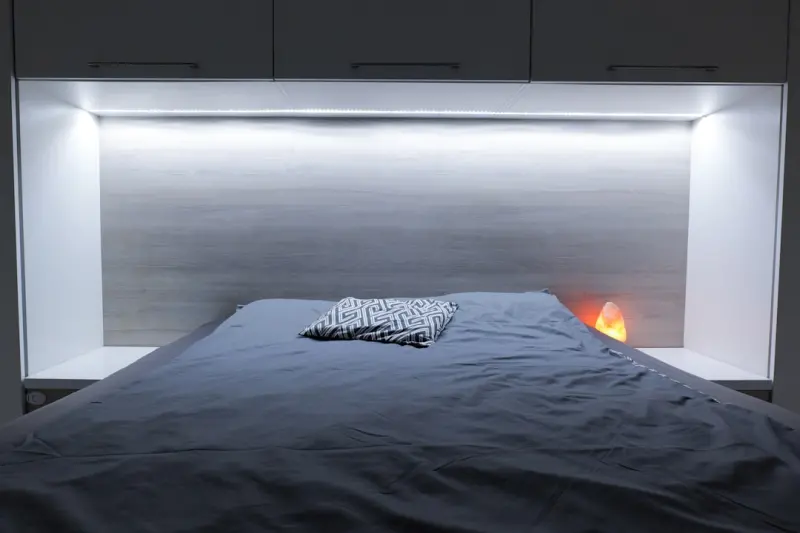
Our circadian rhythm is exquisitely sensitive to light, and the wrong hue can sabotage melatonin production before you even hit the pillow. Replace bright, blue‑rich bulbs with warm amber or dimmable lamps that mimic the setting sun, signaling the brain that it’s time to wind down. Adding a low‑intensity nightlight can help if you need to navigate the room without jolting your system, while blackout curtains keep external streetlights at bay, preserving that natural darkness essential for sleep.
Color Palette: Subtle Hues That Soothe the Mind
Color psychology plays a silent role in how relaxed we feel; cool blues, soft greens, and muted lavenders have been shown to lower heart rate and ease tension. Paint your walls or choose bedding in these calming shades to create a visual lullaby that encourages the nervous system to decelerate. Avoid overly stimulating colors like bright reds or yellows in the bedroom, as they can keep the brain in a state of alertness, ready for action rather than rest.
Soundscapes: Crafting the Perfect Auditory Blanket
Noise is the sneakiest thief of sleep, often slipping in through thin walls, distant traffic, or even the hum of a refrigerator. Counteract these intrusions with a white‑noise machine, a fan, or a curated playlist of low‑frequency ambient sounds that mask disruptive spikes. For those who prefer absolute silence, consider acoustic panels or heavy curtains to absorb echo and reduce reverberation, turning the room into a cocoon of stillness.
Temperature & Air Quality: The Invisible Comfort Layers
Our bodies are wired to cool down slightly as we drift off, so an environment that’s too warm or stuffy can stall that natural progression. Aim for a bedroom temperature between 60‑67°F (15‑19°C) and invest in a reliable thermostat or fan that can maintain consistency throughout the night. Fresh air circulation—whether through a window, air purifier, or low‑noise HVAC—helps keep carbon dioxide levels low, preventing the subtle brain fog that can trigger micro‑awakenings.
Tech Boundaries: Decluttering the Digital Distractions
Even the faint glow of a smartphone can keep the brain in “wake‑up” mode, making it harder to transition into sleep. Establish a strict tech‑free zone at least 30 minutes before bedtime: charge devices outside the bedroom, use a traditional alarm clock, and consider a dedicated charging drawer. If you must keep a device nearby, enable night‑mode filters or amber screen protectors to reduce blue‑light exposure, which is known to inhibit melatonin.
Texture & Comfort: The Tactile Invitation to Rest
Soft, breathable fabrics encourage a feeling of safety and relaxation, while scratchy or synthetic materials can create subtle irritation that prevents deep sleep. Opt for natural fibers like cotton, linen, or bamboo for sheets and pillowcases; they regulate temperature and feel gentle against the skin. A high‑quality mattress and supportive pillow tailored to your preferred sleep position further align the body’s alignment, reducing the need for mid‑night adjustments.
Decluttering for Mental Clarity
Clutter isn’t just an eyesore—it’s a constant visual reminder of unfinished tasks, keeping the brain in a low‑level stress loop. Keep nightstands minimal: a lamp, a book, and perhaps a glass of water are enough. Store away work‑related items, laundry, and anything that might trigger a mental to‑do list. A clean, orderly space acts like a mental reset button, allowing thoughts to quiet down naturally as you lie down.
Personal Rituals: Anchoring the Body‑Mind Connection
Rituals signal to the brain that it’s time to shift gears, creating a predictable pathway to sleep. Whether it’s a brief meditation, a few pages of a favorite novel, or a gentle stretch routine, consistency is key. Pair these habits with the environment you’ve curated—soft lighting, soothing sounds, and a cool temperature—to reinforce the cue that bedtime is approaching. Over weeks, this routine becomes a conditioned response, making it easier to drift off without endless tossing.
Putting It All Together: Your Custom Sleep Sanctuary Blueprint
Designing a sleep‑friendly bedroom isn’t a one‑size‑fits‑all project; it’s a personal experiment that blends science with personal taste. Start by assessing the current room’s strengths and weaknesses, then implement changes one at a time, monitoring how each adjustment affects your rest. For deeper insight, you might explore related strategies in my nighttime narrative guide or consider a holistic health perspective in energy‑syncing techniques. By treating your bedroom as an active participant in your sleep health, you give yourself the best chance to reclaim those elusive, restorative nights.

Becky Putman is an Ottawa-based freelance writer and marketing professional with a passion for storytelling, animals, and community involvement. She enjoys creating engaging content that informs, inspires, and connects with readers.
Related Posts

Evening Journaling: A Quiet Weapon Against Insomnia
A personal guide to using evening journaling, soothing environments, and sensory cues to break the i... Read More
When Insomnia Becomes Your Night‑Time Innovation Lab
Discover a practical playbook that transforms restless nights into strategic work sessions, micro‑... Read More

Reclaiming Rest: A Data‑Driven Playbook to Beat Chronic Insomnia
Insomnia isn’t just a sleep issue—it’s a hidden performance leak. This playbook blends light m... Read More
Top Posts

When Work Becomes Play: Leveraging Exercise to Supercharge Creative Output
Learn how intentional exercise can become a catalyst for breakthrough ideas, with a step‑by‑step system, real‑world case study, and tips for scaling the p...Read More
Living with Prediabetes: A Personal Journey from Stigma to Strength
A candid look at the emotional rollercoaster of prediabetes, offering practical tips to reshape social scenes, daily routines, and mindset for a healthier, conf...Read More

Quiet Zones: How Your Environment Can Naturally Lower Blood Pressure
Explore how simple adjustments to light, temperature, sound, and everyday technology can create a calming environment that naturally lowers blood pressure, back...Read More

Data‑Driven Self‑Management: Leveraging Wearables and AI to Tame Autoimmune Flare‑Ups
A deep dive into using wearable tech and AI to predict autoimmune flare‑ups, offering practical steps, community insights, and a glimpse into the future of in...Read More
0 Comments
Post Comment
You will need to Login or Register to comment on this post!