
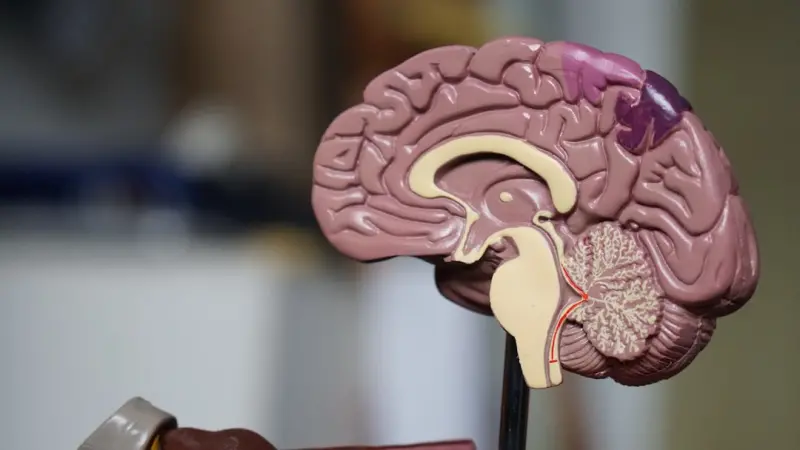
Playful Brain Training: Why Fun Beats Drills
When I first swapped my evening crossword for a quick improv game with friends, I felt an unexpected surge of mental clarity that lingered long after the laughter stopped. That moment sparked a deeper curiosity about how playful activities, rather than rigid cognitive drills, can rewire neural pathways and boost resilience against age‑related decline. Research now shows that the brain thrives on novelty, surprise, and the dopamine bursts that accompany genuine enjoyment, making play a potent antidote to mental fatigue. In this article I’ll walk you through the science, share actionable strategies, and reveal why embracing a child‑like sense of wonder may be the smartest brain‑health move you’ll ever make.
The Neuroscience of Playful Learning
The brain’s reward system lights up whenever we encounter something new and enjoyable, releasing dopamine that strengthens synaptic connections and encourages the formation of new neural networks. Unlike repetitive memorization, playful learning triggers the prefrontal cortex, hippocampus, and basal ganglia simultaneously, creating a richer, more integrated memory trace. Studies involving adults who engaged in strategic board games reported improved executive function and faster processing speed compared to those who only practiced traditional brain exercises. This synergy between pleasure and challenge is what makes play a superior catalyst for neuroplasticity, turning ordinary moments into powerful brain‑boosting sessions.
Choosing the Right Kind of Play
Not all play is created equal; the most beneficial activities combine novelty, moderate difficulty, and social interaction. Think of activities like learning a magic trick, improvisational comedy, or even cooking a recipe from a cuisine you’ve never tried before. These tasks require you to adapt, problem‑solve, and often collaborate, hitting multiple cognitive domains at once. If you prefer solitary pursuits, consider puzzles that evolve over time, such as progressive escape‑room apps or modular building kits, which keep the brain guessing and prevent the plateau effect that can come from repetitive tasks.
Integrating Play Into a Busy Lifestyle
One of the biggest barriers to regular brain training is the perception that it demands extra time and discipline. The good news is that playful moments can be woven seamlessly into daily routines without feeling like a chore. For instance, replace your usual commute playlist with a language‑learning podcast that incorporates interactive quizzes, or turn your lunch break into a quick doodle challenge with a coworker. By framing these activities as fun interruptions rather than obligations, you’re more likely to sustain them and reap the cumulative benefits of consistent neural stimulation.
Social Play: The Hidden Brain Booster
Human connection is a powerful amplifier for cognitive health, and social play provides a double‑dose of mental stimulation and emotional well‑being. Engaging in collaborative games—whether a tabletop strategy session or a spontaneous storytelling round—forces you to read social cues, anticipate others’ moves, and adjust your own strategy on the fly. This dynamic interplay strengthens the mirror‑neuron system, which is linked to empathy, creativity, and problem‑solving. If you’re looking for a low‑key way to start, check out the insights from Cultivating Curiosity, which highlights how shared curiosity fuels both personal growth and community bonding.
Playful Techniques for Enhancing Memory
Memory is not just about rote repetition; it flourishes when information is encoded in a vivid, multimodal context. Techniques such as the “method of loci” can be turned into a game by visualizing a favorite video game map and placing items you want to remember along the path. Similarly, creating a story that links disparate facts together transforms dry data into a narrative adventure, making retrieval easier and more enjoyable. These mnemonic strategies tap into the brain’s natural storytelling instinct, ensuring that recall feels less like a task and more like revisiting a cherished tale.
Digital Play vs. Digital Overload
While the digital realm offers a treasure trove of interactive brain games, it also poses the risk of overstimulation and shallow engagement. The key is to select platforms that prioritize depth, progressive challenges, and meaningful feedback over flashy graphics and endless scrolling. For example, puzzle apps that adapt difficulty based on performance can keep you in the optimal “flow” zone, where learning is maximized. To avoid the pitfalls of mindless screen time, pair digital play with periodic “tech‑free” sessions, a strategy emphasized in Reclaiming Focus, ensuring that your brain receives both stimulation and restorative downtime.
Measuring the Impact of Playful Brain Health
Tracking progress doesn’t have to be clinical; simple self‑assessment tools can reveal subtle shifts in cognition and mood. Keep a weekly journal noting moments when you felt mentally sharp after a playful activity, or use a light‑weight app that logs the variety and frequency of your brain‑boosting games. Over time, you’ll notice patterns—perhaps a certain type of play improves creativity, while another sharpens analytical thinking. These insights allow you to fine‑tune your play schedule, focusing on the activities that deliver the greatest personal payoff and ensuring that your brain‑health regimen remains both effective and enjoyable.
Turning Play Into a Lifelong Habit
The ultimate goal is to embed play into the fabric of your identity, making it as natural as brushing your teeth. Start by designating a “play slot” each day, even if it’s just five minutes, and gradually expand as you discover the activities that resonate most with you. Celebrate small wins—mastering a new card trick or completing a challenging puzzle—by sharing your achievements with friends or on a community board. By framing playful learning as a rewarding habit rather than an optional extra, you’ll cultivate a resilient, vibrant mind that thrives on curiosity, connection, and the joy of discovery.

Kelly Reynolds is a dynamic freelance writer hailing from the picturesque landscapes of Alberta. A master of the written word, she juggles her passion for storytelling with the exhilarating chaos of being a mother to five spirited children. With an impressive portfolio that spans various genres, Kelly captivates readers through her engaging blog posts and thought-provoking articles.
Related Posts

Unlocking Brain Power: How Learning a New Language Supercharges Cognitive Health
Explore the science behind language learning as a mental workout, practical daily tips, and why bili... Read More
Navigating the Complex World of Brain Health: A Holistic Approach
Maintaining brain health is crucial for overall wellbeing. Learn how to adopt a holistic approach to... Read More
Breathing New Life into Brain Health: Harnessing the Power of Breathwork
This article reveals the science behind breathwork and its profound impact on brain health, offering... Read More
Top Posts
Unlocking Brain Plasticity Through Intermittent Novelty
Intermittent novelty—deliberate, spaced bursts of new experiences—acts like high‑intensity interval training for the mind, stimulating dopamine, strengthe...Read More
Balancing Cortisol, DHEA, and Thyroid Hormones: A Holistic Guide for Men
A comprehensive, science‑backed plan that helps men align sleep, stress, nutrition, and training to harmonize cortisol, DHEA, and thyroid hormones for better ...Read More

Cold Exposure for Men: Boosting Hormones, Health, and Performance
Explore the science behind cold exposure and learn practical steps to boost hormones, cardiovascular health, and mental resilience for men....Read More

Micro‑Strength: Turning Everyday Tasks into Hypertrophy Engines
Discover a fresh approach to muscle gain that turns everyday movements into effective strength training, using micro‑loads, progressive overload, and simple h...Read More
0 Comments
Post Comment
You will need to Login or Register to comment on this post!