
Reimagining Blood Pressure Management as a Series of Quiet, Intentional Rituals
When I first learned that my blood pressure was nudging the high‑normal range, I braced myself for a cascade of medication changes, endless doctor appointments, and a grim list of dietary restrictions. Instead, I chose a different path: I decided to treat my cardiovascular system like a trusted companion that responds to the rhythm of my day, not just the occasional “big‑picture” health plan.
In the past few years I’ve been obsessed with uncovering how tiny, repeatable actions—what I call micro‑rituals—can shift the way our bodies feel. Think of them as the backstage crew that keeps the main performance humming smoothly. While many health guides focus on massive overhauls (cutting carbs, running a marathon, or swapping every snack for kale), the reality is that the most sustainable blood pressure improvements often emerge from the subtle, almost invisible choices we make hour by hour.
Why “Ritual” Beats “Routine” for Blood Pressure
There’s a subtle linguistic difference that matters. A routine feels like a checklist: “Drink water, take meds, walk 30 minutes.” A ritual is a meaningful, sensory‑rich practice that ties together intention, environment, and emotion. When a habit is infused with purpose, it activates the parasympathetic nervous system (the “rest‑and‑digest” branch) more reliably than a mechanical routine.
Blood pressure is a dance between the sympathetic (“fight‑or‑flight”) and parasympathetic systems. By cultivating rituals that tip the scale toward calm, you gently coax your arteries to relax, reducing the force of each heartbeat without any pill.
Three Pillars of the Ritual Approach
- Breathing as a Reset Button – The simplest way to lower systolic pressure in minutes.
- Creative Pauses – Engaging the brain in low‑stress, high‑joy activities that lower cortisol.
- Intentional Hydration & Micro‑Movement – Small, frequent actions that improve vascular elasticity.
1. Breathing as a Reset Button
Most of us have heard about “deep breathing,” but few practice it in a way that truly activates the vagus nerve—the nerve that whispers “slow down” to your heart. Here’s a ritual I’ve woven into my morning coffee ritual:
- Before taking the first sip, place both hands on your abdomen.
- Inhale slowly through the nose for a count of four, feeling the belly rise.
- Hold the breath for a count of two.
- Exhale gently through pursed lips for a count of six, feeling the belly fall.
- Repeat three times, then sip your coffee.
Research shows that this 4‑2‑6 pattern can reduce systolic pressure by up to eight points within ten minutes. The key is consistency; doing it daily creates a neuro‑vascular conditioning effect.
When you need a quick “reset” during a stressful meeting, step away for a micro‑breath break—just 30 seconds of the same pattern. It’s a portable, no‑equipment tool that works anywhere.
2. Creative Pauses: Art, Music, and Playful Curiosity
We often think of creativity as a hobby, but it’s a potent physiological regulator. Engaging in low‑stress creative activities lowers cortisol, a hormone that directly spikes blood pressure. I discovered this during a rainy afternoon when I decided to doodle instead of scrolling through emails. The act of drawing, even if you’re not a “artist,” released a cascade of endorphins, and my heart rate settled.
To turn this insight into a ritual, set aside a 10‑minute creative window twice a day:
- Morning Sketch – Keep a small sketchbook on your nightstand. As soon as you open your eyes, doodle whatever comes to mind for five minutes.
- Evening Soundscape – Play an instrumental playlist (no lyrics) and gently tap a rainstick or hum along. Let the sound guide your breath.
These moments don’t need to be perfect; they’re about process, not product. In fact, the very act of turning everyday curiosity into brain power reinforces neural pathways that promote calm, indirectly supporting vascular health.
3. Intentional Hydration & Micro‑Movement
Dehydration can make blood vessels constrict, nudging blood pressure upward. Yet most hydration advice feels like a giant water‑intake goal (e.g., “8 glasses a day”). I prefer the sip‑and‑stretch ritual:
- Place a 500 ml bottle within arm’s reach at your desk.
- Every time you stand up (to answer a call, grab a file, or stretch), take one sip.
- While you’re up, perform a micro‑movement—ankle circles, shoulder rolls, or a quick calf raise.
This tiny pairing does two things simultaneously: it keeps plasma volume stable (a key factor in blood pressure) and it introduces gentle muscular activity that improves endothelial function. Over a typical workday, you’ll end up drinking 1.5–2 L without feeling like you’re forcing yourself to gulp water.
Layering Rituals: The Power of Habit Stacking
One of the most effective ways to embed new practices is to stack them onto existing habits. This technique, championed by behavioral scientists, ensures that the new ritual rides the momentum of the old one, reducing the friction of adoption.
Here’s a simple stack you can try for a week:
- After brushing your teeth (morning), perform the 4‑2‑6 breathing reset.
- When you sit down at your desk, place the water bottle within reach and start the sip‑and‑stretch cycle.
- Before logging onto your computer for the day, open your sketchbook for a 5‑minute doodle.
- At the end of each work block, play a calming instrumental track and do a 2‑minute micro‑breath break.
Within a few days, these stacked rituals become a seamless flow, and the cumulative impact on your blood pressure can be striking.
Beyond the Physical: The Role of Narrative and Self‑Compassion
Our inner narrative shapes how we respond to physiological signals. If you approach blood pressure as an enemy to be fought, you may trigger stress hormones that counteract your efforts. Instead, I’ve adopted a storytelling approach—viewing each ritual as a chapter in a larger wellness novel where you, the author, are nurturing the protagonist (your heart).
When you notice a spike, rather than chastising yourself, ask: “What does my body need right now?” Then, choose a ritual that meets that need. This compassionate mindset reduces the anxiety that often fuels hypertension.
Integrating Technology Mindfully
While I’m a firm believer in low‑tech rituals, a well‑chosen wearable can provide feedback that fine‑tunes your practice. A simple cuffless blood pressure monitor paired with a smartphone app lets you see how each ritual influences your numbers in real time.
Use the data as a curiosity tool, not a judgmental scoreboard. For instance, you might notice that a morning sketch consistently lowers your afternoon systolic reading by 4‑6 mmHg. That insight reinforces the habit without turning it into a rigid rule.
If you’re already tracking metrics, consider reading Turning Data Into Hope for inspiration on how to translate raw numbers into empowering stories.
Customizing Rituals to Your Lifestyle
Everyone’s day looks different, so the rituals you choose should fit naturally into your schedule. Here are three lifestyle archetypes and tailored suggestions:
- The Remote Worker – Use the natural break between meetings to do a 60‑second breathing reset and a quick stretch. Keep a small plant on your desk; caring for it adds a mindful pause.
- The Shift Worker – Before a night shift, engage in a 5‑minute guided visualization (focus on a calm lake). During the shift, sip water each time you check a new patient chart.
- The Parent on the Go – While waiting in the school pickup line, practice the 4‑2‑6 breathing. Carry a pocket‑size sketch pad for doodling during stroller walks.
By aligning rituals with your existing rhythms, you reduce friction and increase adherence.
Measuring Success Without Obsession
It’s tempting to check your blood pressure multiple times a day, but excessive monitoring can become a stressor. Instead, adopt a “weekly snapshot” approach:
- Measure every morning after your breathing reset.
- Record the reading in a simple journal alongside notes about which rituals you performed.
- Review the trends every Sunday, looking for patterns rather than isolated spikes.
This practice turns data into a narrative, echoing the storytelling theme we discussed earlier.
Final Thoughts: Embrace the Quiet Power of Daily Rituals
Managing blood pressure isn’t about dramatic diet overhauls or relentless cardio marathons—though those can be valuable. It’s also about the quiet, intentional moments that whisper calm to your cardiovascular system. By weaving breathing, creativity, hydration, and micro‑movement into the fabric of your day, you create a resilient foundation that supports healthy pressure levels for the long haul.
Remember, the goal isn’t perfection; it’s consistency. Each ritual is a small act of self‑care that, when stacked together, becomes a formidable ally for heart health.
If you’re curious about expanding your ritual toolbox, explore the gentle reset principles in Detox Without Deprivation: A Gentle Reset. You’ll find complementary ideas that keep the whole system—mind, body, and blood pressure—in harmonious balance.

Sarah Gray is a proud Canadian who calls Brampton home, where she lives with her husband, Paul. A passionate home cook and gifted storyteller, Sarah loves creating delicious recipes and sharing stories inspired by everyday life, family, and cherished experiences. When she isn't experimenting in the kitchen, she's busy crafting engaging content that reflects her warmth, creativity, and love of connection. Above all, Sarah treasures time spent with her grandchildren, embracing every opportunity to create lasting memories with the people she loves most.
Related Posts

Time‑Smart Eating: A New Rhythm for Lower Blood Pressure
Learn a fresh, rhythm‑based approach to managing hypertension by timing meals, movement, and breat... Read More

The Community Cure: Harnessing Social Connection to Tame Blood Pressure
Explore the science behind social ties and blood pressure, learn three actionable ways to build supp... Read More

Silent Signals: How Your Office Environment Shapes Blood Pressure
A deep dive into the hidden environmental factors at work that raise blood pressure, with actionable... Read More
Top Posts
Smart Home, Safer Home: How Connected Tech Empowers Seniors to Age in Place
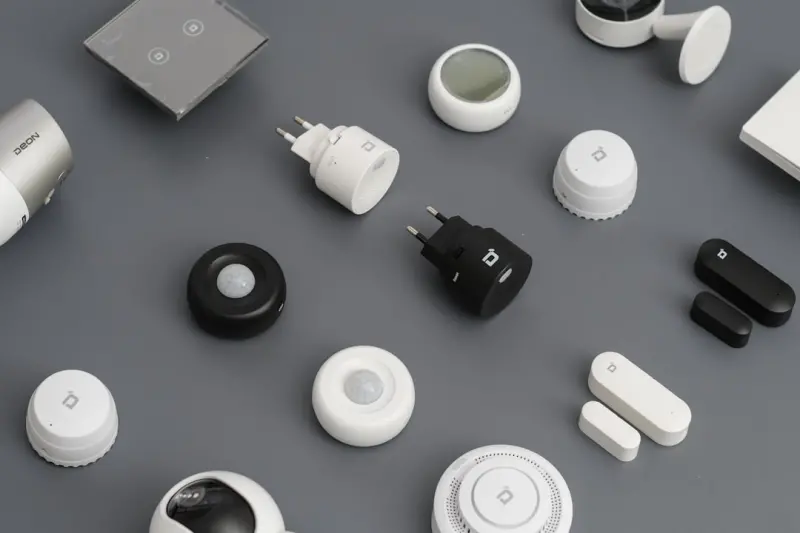
Smart home technology offers seniors a practical safety net, from motion‑activated lights and voice assistants to fall‑detection wearables, helping them mai...Read More

Embracing a Holistic Pregnancy Journey: Listening to Your Body and Nurturing Your Soul
A heartfelt guide to holistic pregnancy, sharing nutrition, movement, sleep, and community tips that empower expectant mothers to honor their bodies and nurture...Read More
How Skin-to-Skin Contact Shapes Your Baby’s Immune System
Skin‑to‑skin contact, often called kangaroo care, does more than soothe; it transfers beneficial microbes, supports the gut‑liver axis, and strengthens a ...Read More

Hydration Hacks: How Water Can Tame Blood Sugar Swings
Learn practical hydration habits—from morning electrolyte drinks to pre‑meal water cues—that help keep glucose stable and curb cravings....Read More
0 Comments
Post Comment
You will need to Login or Register to comment on this post!