
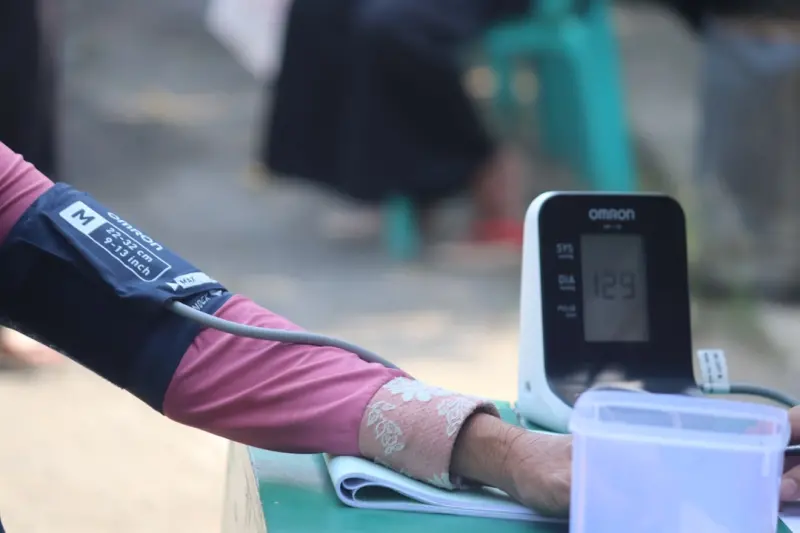
Why Blood Pressure Deserves a Fresh, Playful Lens
For years I watched blood‑pressure charts look like stern report cards—numbers, thresholds, and a relentless call to medication. The problem, I realized, isn’t the data itself but the mindset that treats our arteries as stubborn, unchangeable steel. When we reframe the conversation from “controlling a medical condition” to “nurturing a lively river,” the whole landscape shifts. My own journey began on a rainy Tuesday when I swapped a half‑hour of scrolling for a 5‑minute hallway sprint; the sudden rush of endorphins felt like a gentle tap on the inner walls of my vessels, reminding me that they are alive and responsive. That tiny experiment sparked a cascade of questions: what everyday habits already whisper kindness to our blood pressure, and how can I invite them in without turning my life upside down? In this article I’ll share the playful practices that have quietly steadied my numbers, from spontaneous movement bursts to breath tricks that feel more like a song than a regimen. Let’s explore how joy, curiosity, and a dash of creativity can become the most reliable allies in the quest for a calm, resilient circulatory system.
Micro‑Bursts of Movement: Turning the Ordinary Into Exercise
Instead of carving out a rigid 30‑minute gym slot, I’ve learned to sprinkle micro‑bursts of movement throughout the day, turning mundane moments into heart‑healthy opportunities. Think of the stairwell as a private playground: three flights up, a quick pause at the landing to stretch, then back down—repeat five times and you’ve earned a mini cardio session without ever setting foot on a treadmill. Another favorite is the “doorframe dance,” where each time I pass a doorway I add a squat or a calf raise, turning the act of moving between rooms into a playful rhythm. These snippets add up quickly; research shows that cumulative short bouts can lower systolic pressure as effectively as longer workouts. To keep the momentum alive, I set a gentle phone reminder that nudges me to stand, spin, or stretch every hour—no alarms, just a friendly tap. If you’re looking for inspiration on how to weave rhythm into daily chores, check out everyday rhythm for ideas that feel more like a dance than a drill.
Breathwork as a Vascular Reset Button
Our breath is a silent conductor, and learning to direct its tempo can dramatically calm the nervous system, which in turn eases blood‑pressure spikes. I started with a simple box‑breathing routine: inhale for four counts, hold for four, exhale for four, hold again for four, then repeat. The steady cadence sends a soothing signal to the vagus nerve, prompting the heart to relax and the arteries to dilate. For an extra twist, I hum softly on the exhale, feeling the vibration in my chest; the hum acts like a gentle massage for the inner lining of blood vessels, encouraging nitric‑oxide release that supports vessel flexibility. Practicing this for just five minutes before a stressful meeting has become my secret weapon—my pulse steadies, my thoughts clear, and the inevitable post‑meeting blood‑pressure check shows a modest dip. Pair this with a quick gratitude pause, and the combination feels like a mini‑spa for both mind and circulatory system.
Colorful Plates and Potassium‑Rich Pairings
Food can be both medicine and celebration, especially when we treat the plate as a canvas of color and flavor. I’ve swapped bland “low‑sodium” warnings for a vibrant palette: deep‑purple beetroot, bright orange carrots, and emerald spinach, each bringing antioxidants that protect arterial walls. The real magic happens when these vegetables meet potassium powerhouses like bananas, sweet potatoes, and avocados—minerals that help balance sodium levels and ease tension in the blood vessels. A simple trick is the “rainbow bowl”: start with a base of whole grains, layer in a medley of roasted veggies, add a scoop of beans for protein, and finish with a drizzle of olive oil infused with rosemary. This not only satisfies the palate but also delivers a steady stream of nutrients that support healthy pressure. For a deeper dive into how varied nutrients feed both brain and heart, explore brain health strategies that overlap beautifully with vascular wellness.
Laughter, Connection, and the Social Pulse
Never underestimate the cardiovascular gift of a good laugh shared with friends or family. Genuine mirth triggers the release of endorphins and reduces the stress hormones that constrict arteries, creating a natural, temporary dip in blood pressure. I make it a point to schedule weekly “giggle circles” with my closest friends—whether it’s a game night, a comedy podcast listening party, or simply swapping funny anecdotes over a cup of tea. The social bond formed in those moments also encourages deeper breathing and relaxation, amplifying the blood‑pressure‑lowering effect. Moreover, feeling connected combats loneliness, a known risk factor for hypertension. So the next time you’re tempted to scroll through a news feed alone, consider inviting a friend to a quick video call; the shared smile might be the most enjoyable prescription you’ve ever taken.
Sleep Hygiene: Crafting the Perfect Nighttime Cocoon
Sleep is the silent architect of cardiovascular health, and the environment in which we rest can either reinforce or undo our daytime efforts. I’ve experimented with ambient temperature, discovering that a cool bedroom (around 65°F) encourages vasodilation, allowing blood to flow more freely and reducing nighttime pressure spikes. Light exposure matters, too; dimming the lights an hour before bed and avoiding blue‑light screens helps the body produce melatonin, a hormone that supports vascular calm. I also use a weighted blanket—a gentle, consistent pressure that mimics a hug, lowering cortisol levels and promoting deeper, more restorative sleep. By combining these elements into a nightly ritual, I’ve noticed steadier morning blood‑pressure readings and a clearer mind throughout the day. Remember, the goal isn’t perfection but consistency; small tweaks add up to a heart‑friendly sanctuary.
Mental Resets Without the Journal Jargon
While many recommend micro‑journaling for stress relief, I prefer a mental reset that feels less like a task and more like a pause button on life’s volume. I close my eyes for a brief “mind‑scan” after lunch, visualizing my blood flowing smoothly through a river, noting any turbulence, and then mentally smoothing the currents with a simple affirmation: “I am steady, I am calm.” This brief visualization takes less than a minute but re‑engages the parasympathetic nervous system, helping to lower pressure before it spikes. Pairing the mental image with a sip of warm herbal tea—especially chamomile or hibiscus, both known for mild blood‑pressure benefits—creates a sensory cue that signals the body to relax. Over time, the brain learns to associate the ritual with a physiological response, making it an effortless tool for daily vascular maintenance.
Smart Tools That Nudge, Not Nag
Technology can be a gentle ally when it respects our rhythm instead of demanding constant attention. I use a discreet wearable that vibrates softly at the top of each hour, reminding me to take a breath, stretch, or stand—each cue is a micro‑opportunity to keep my circulatory system supple. The device also tracks nocturnal heart‑rate variability, giving me insights into how well my sleep environment supports recovery. Importantly, I set the alerts to “quiet mode” so they blend into the background, preventing the stress of constant notifications. By reviewing the weekly trends, I can identify patterns—perhaps a spike after a late‑night meeting or a dip following a weekend hike—and adjust my habits accordingly. The key is to treat data as a supportive map, not a judgmental scoreboard.
My Personal Blueprint: Turning Play into Consistency
Looking back, the most profound shift in my blood‑pressure journey came not from a single diet change or an intense workout regimen, but from weaving playfulness into every health decision. When I approach movement as a game, breathing as a song, and nutrition as a colorful masterpiece, compliance becomes natural rather than forced. I now greet each morning with a quick hallway sprint, a humming breath cycle, and a rainbow bowl that tastes like a celebration. The numbers on the cuff have settled into a comfortable range, but more importantly, I feel lighter, more present, and genuinely excited about caring for my heart. If you’re ready to replace rigidity with curiosity, start small: pick one playful habit, test it for a week, and observe the ripple effects on your blood pressure and overall well‑being. Your vessels are eager for a little fun—give them the invitation they deserve.

Tammy French is a Montessori Teaching Assistant and freelance writer passionate about education, creativity, and inspiring lifelong learning through engaging content.
Related Posts
Pocket‑Sized Pressure Hacks: Tiny Daily Moves That Keep Blood Pressure in Check
A practical guide to micro‑movements, posture resets, hydration timing, and subtle tech tricks tha... Read More
Rethinking Blood Pressure: Small Daily Levers for Big Calm
A fresh take on blood pressure management, focusing on tiny daily practices like intentional breathi... Read More
Unlocking Hidden Levers: A Mind‑Body Blueprint for Stable Blood Pressure
A fresh, mind‑body strategy blends breathing, seasonal nutrition, wearables, and tiny habit stacki... Read More
Top Posts

How Light Shapes Your Health: From Mood to Metabolism
Explore the science behind daylight, evening glow, and therapeutic light, and learn practical ways to align your environment with natural rhythms for better moo...Read More
Turning Pre‑Diabetes Into a Community Power‑Play
Discover a fresh, community‑driven approach to pre‑diabetes that leverages gamified challenges, financial literacy, and policy advocacy to turn a silent hea...Read More
Seasonal Strategies to Naturally Manage Blood Sugar
Brandy Miller shares a fresh, season‑based approach to blood sugar management, blending local produce, short movement bursts, and simple mindset shifts for su...Read More

Beyond the Cloud: Rethinking Vaping as a Lifestyle Choice
Vaping has moved beyond a simple nicotine fix to become a sensory ritual, social connector, and mindful pause for modern professionals. This post dives into the...Read More
0 Comments
Post Comment
You will need to Login or Register to comment on this post!