
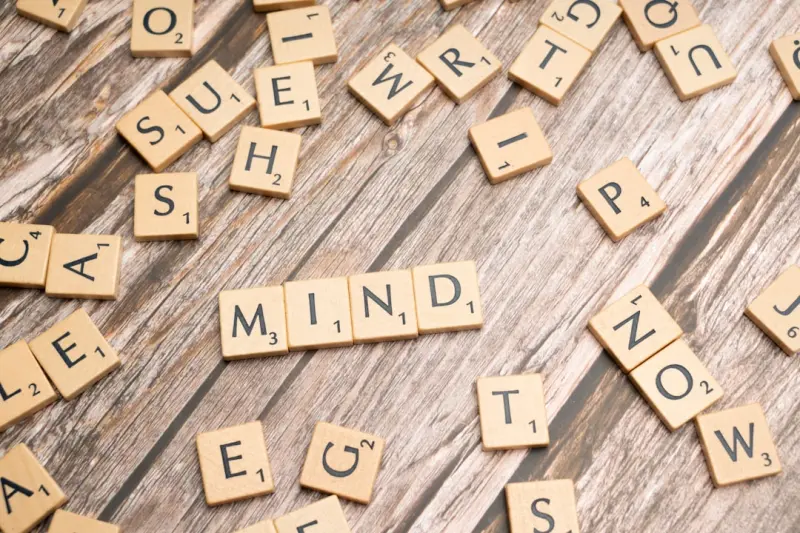
Why Curiosity Fuels a Resilient Mind
Every time we ask a question, the brain lights up with a cascade of electrical activity that strengthens the pathways we use most often, and over time those pathways become the highways of thought that keep us agile in the face of change. This process, known as neuroplasticity, is not a mysterious privilege reserved for scholars or elite athletes; it is a daily invitation that anyone can answer by simply allowing themselves to wonder about the world around them, whether that means learning a new word, tracing the pattern of clouds, or debating a favorite podcast episode. When we treat curiosity as a habit rather than a fleeting spark, we give the brain the rehearsal it needs to stay supple, and research shows that even brief bouts of novelty can increase the production of brain‑derived neurotrophic factor, the protein that acts as fertilizer for new neurons.
Multisensory Enrichment: The Brain’s Full‑Spectrum Diet
While most nutrition guides focus on calories and macros, the brain thrives on a diet that also includes a rich tapestry of sensory inputs, and exposing ourselves to varied textures, sounds, and visual patterns can act like a multivitamin for cognition. Listening to music that challenges our emotional range, for instance, has been linked to improved memory consolidation because it engages the limbic system alongside the auditory cortex, creating a cross‑modal dialogue that reinforces recall. Similarly, incorporating tactile experiences—such as working with clay, feeling the grain of a wooden table, or strolling barefoot on grass—invites the somatosensory cortex to collaborate with higher‑order regions, and this partnership can sharpen attention and reduce the mental fog that often follows prolonged screen time.
Micro‑Learning in Motion
One of the most effective ways to turn curiosity into measurable brain health is to embed short, focused learning sessions into the flow of daily life, and the key is to keep them brief enough that they feel like a natural pause rather than a chore. By dedicating just five minutes each morning to a new concept—be it a foreign phrase, a scientific fact, or a sketch of a household object—we trigger the hippocampus to encode fresh information while the prefrontal cortex practices the executive function of planning. For readers who enjoy turning movement into creativity, the guide harnessing everyday rhythm for unstoppable creativity offers practical routines that blend kinetic activity with mental stimulation, turning a walk around the block into a portable classroom.
Embodied Cognition: Moving the Brain with the Body
Our brains are not isolated processors; they are intimately wired to the body, and the feedback loop between muscles, joints, and neurons is a powerful lever for mental resilience. Simple proprioceptive challenges—like balancing on one foot while reciting a poem or shifting weight from heel to toe during a phone call—activate the cerebellum, a region traditionally associated with coordination, but also crucial for timing and prediction in thought processes. The article proprioceptive play for desk‑bound lives demonstrates how a few minutes of playful posture adjustments can reset the brain’s internal GPS, improving spatial reasoning and reducing the mental fatigue that builds up after long periods of sitting.
Plant‑Based Powerhouses for Cognitive Clarity
Beyond the classic omega‑3s found in fish, a growing body of evidence highlights the role of polyphenol‑rich foods—such as berries, dark chocolate, and leafy greens—in protecting neural circuits from oxidative stress, and these compounds act like antioxidants that specifically target the delicate synapses where thoughts are exchanged. Incorporating a handful of blueberries into breakfast, for example, delivers flavonoids that cross the blood‑brain barrier and enhance signaling pathways involved in learning, while the bitter compounds in kale stimulate the gut microbiome to produce short‑chain fatty acids that have been shown to improve mood and memory. By treating the plate as an extension of the mind, we create a feedback loop where dietary choices directly influence the clarity of our daily thinking.
Storytelling as a Neural Workout
Humans have evolved to share experiences through narrative, and every time we craft or listen to a story, we engage a network of brain regions—including the default mode network, the language centers, and the emotional hubs—creating a synchronized dance that reinforces social bonds and memory retention. When we recount a personal triumph or a challenging lesson, the act of sequencing events forces the hippocampus to rehearse temporal order, while the emotional charge activates the amygdala, making the memory more vivid and easier to retrieve later. This neural choreography explains why journal‑keeping or participating in community storytelling circles can act as a low‑impact workout for the brain, sharpening both recall and empathy.
Digital Minimalism for Cognitive Space
In an age where notifications ping every few minutes, the brain is forced into a perpetual state of partial attention, which fragments neural pathways and erodes the deep focus required for complex problem‑solving; a deliberate reduction in digital noise can therefore be seen as a form of mental decluttering. Setting aside designated “offline windows”—for instance, a two‑hour block after dinner where all screens are turned off—allows the brain’s default mode network to activate, a state associated with creative insight and long‑term memory consolidation. By pairing these windows with analog activities such as reading a physical book, doodling, or tending to a houseplant, we give the prefrontal cortex the breathing room it needs to plan, prioritize, and execute tasks with greater efficiency.
Putting It All Together: A Weekly Brain‑Boost Blueprint
To transform these concepts into sustainable habits, imagine a weekly schedule that interweaves curiosity, movement, nutrition, storytelling, and digital pauses, each segment reinforcing the others like bricks in a resilient mental fortress. Monday mornings could begin with a five‑minute micro‑learning session followed by a brief balance exercise, while Tuesday evenings are reserved for a culinary experiment featuring polyphenol‑rich ingredients and a shared story circle with friends. Midweek, a short walk paired with a curated playlist stimulates auditory pathways, and Thursday’s digital‑free window offers space for reflective journaling, culminating on the weekend with a creative project that merges movement and music, echoing the principles outlined in the earlier pieces on rhythm and proprioception. By honoring this rhythm, we not only honor the brain’s need for variety but also lay down a predictable structure that supports lifelong cognitive vitality.

William Roy is a freelance writer originally from Montreal who moved to Ottawa with his wife of 50 years to be closer to their grandkids. Alongside his writing, William has a passion for fishing.
Related Posts
Unlocking Brain Power: The Playful Path to Cognitive Longevity
Explore simple, fun habits—like doodling, dancing, and fermenting foods—that unlock neuroplastic... Read More
Reclaiming Focus: A Practical Digital Detox for Brain Health
A step‑by‑step guide to resetting your brain with a digital detox, nutrition timing, and data‑... Read More
Neuro‑Hygiene for High‑Performance Thinkers: A Blueprint to Upgrade Your Brain
A tech‑savvy guide that frames brain health as system architecture, offering daily neuro‑hygiene... Read More
Top Posts

Sleep Terrors Decoded: Why Your Nightmares Might Be a Secret Superpower
A deep dive into the mysterious world of sleep terrors, uncovering their hidden messages and offering actionable steps to turn night‑time fear into daytime st...Read More

Fueling the Silent Engine: Supercharge Your Liver for Unstoppable Performance
The liver is the hidden powerhouse behind focus and stamina. Learn three actionable pillars—chronobiology‑aligned nutrition, targeted micronutrients, and to...Read More
Why Your Liver Deserves a Front‑Row Seat in Your Wellness Routine
A practical guide that shifts the liver from background organ to wellness priority, offering nutrition, movement, stress, and environmental tips for lasting liv...Read More
Proprioceptive Mastery: Redefining Physiotherapy for Faster Recovery
Proprioceptive training combined with wearable technology is revolutionizing physiotherapy. Learn why balance, body awareness, and data-driven drills can cut re...Read More
0 Comments
Post Comment
You will need to Login or Register to comment on this post!