
Seeing Prediabetes as Data, Not Destiny
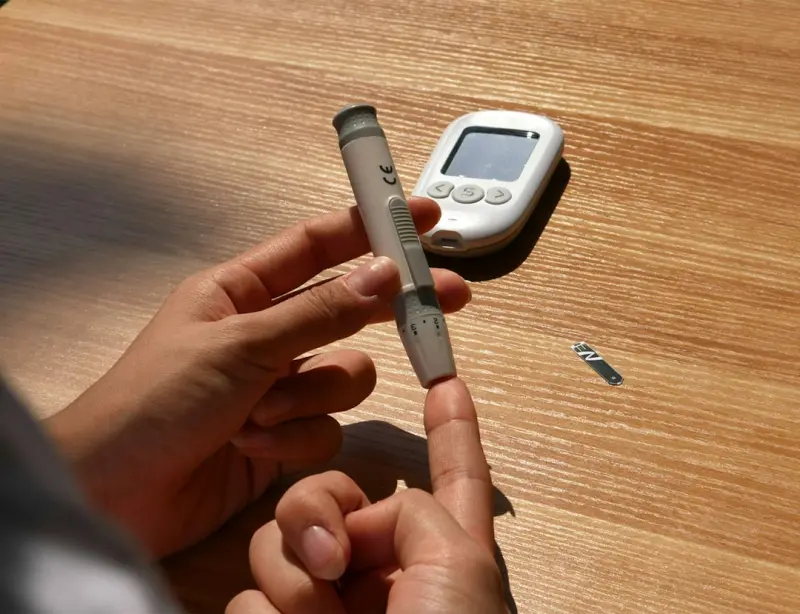
When my lab results whispered “prediabetes,” I felt the familiar sting of a warning label. It’s easy to let that number define you, but what if we flipped the script? Instead of viewing it as a life sentence, treat it as a data point—an invitation to explore the intricate network of habits, environments, and signals that shape our bodies. This perspective transforms anxiety into curiosity, and curiosity into concrete, manageable change.
The Hidden Role of Stress Hormones
Most conversations about glucose focus on food, yet the silent puppeteer pulling the strings is stress. When cortisol spikes, the liver (yes, that organ we often overlook) releases stored glucose to fuel a “fight‑or‑flight” response. In a modern world where deadlines, notifications, and endless to‑do lists are the norm, cortisol can remain elevated for hours, nudging blood sugar into the prediabetic range.
Learning to recognize and modulate stress is a game‑changer. Simple practices—like a five‑minute breath pause, a quick walk outside, or a brief stretch at the desk—create micro‑recovery windows that let cortisol settle. Over time, these moments stack into a resilient stress response, keeping glucose release in check.
Designing Your Environment for Glucose Balance
Our surroundings whisper suggestions louder than any diet plan. The kitchen layout, the office lighting, even the placement of the remote control can either support or sabotage glucose regulation.
- Visibility matters. Keep a bowl of fresh berries on the counter and stash sugary snacks out of sight. The brain’s visual system reacts faster than rational thought.
- Hydration stations. A water bottle within arm’s reach reminds you to sip regularly. Dehydration can masquerade as hunger, prompting unnecessary snacking.
- Movement cues. Place a sturdy stool near the standing desk. When you feel the urge to sit for long stretches, the stool offers a gentle reminder to alternate postures.
When you deliberately shape your environment, you reduce decision fatigue and create automatic pathways toward healthier glucose patterns.
Community Signals and Accountability
Human beings are wired for connection. Peer influence can amplify both good and bad habits. Forming a small “glucose‑wellness” circle—whether at work, with friends, or online—creates a supportive feedback loop.
Share weekly check‑ins, swap recipe ideas, and celebrate micro‑wins. The social component adds an emotional reward that reinforces your personal commitments. If you’re the type who thrives on friendly competition, consider a step‑challenge or a “no‑added‑sugar” month with a shared leaderboard.
Micro‑Movements That Matter
We often hear that “exercise” is the cure‑all, but the word conjures images of marathon training or grueling gym sessions—scary for anyone juggling a busy schedule. The truth is that movement is cumulative, and tiny bursts can have outsized effects on glucose uptake.
Try these quick, low‑impact actions:
- Desk‑side leg lifts. While on a conference call, raise each leg straight out for ten seconds. Repeat three times per side.
- Stair sprints. Instead of waiting for the elevator, take two flights of stairs, then pause and breathe. Repeat three times.
- Kitchen dance‑breaks. Put on a favorite song while preparing a meal and move for the duration of the chorus.
These micro‑movements improve insulin sensitivity without demanding a dedicated workout hour.
Mindset Shifts: From Alarm to Action
Prediabetes can trigger a cascade of negative self‑talk: “I’ve failed,” “I’ll never get back on track,” etc. Reframing the narrative is essential. See the diagnosis as a signal that your system is trying to tell you something, not a verdict that locks you in.
One technique that helped me was the “future‑self” exercise. Write a brief paragraph describing how you’d like to feel in six months—more energetic, clearer thinking, comfortable in your skin. Then, break that vision down into three concrete actions you can start today. This bridges the abstract worry with tangible steps.
Connecting the Dots: Gut Insight and Metabolic Organs
While we’re steering clear of the usual buzzwords, it’s impossible to ignore the synergy between digestion and glucose regulation. A balanced gut microbiome can improve insulin response, while certain metabolic organs play a pivotal role in processing carbs. For a deeper dive into how your digestive system can influence glucose, check out digestive insight. Likewise, understanding the contributions of key metabolic organs can provide a fuller picture—read more about the metabolic organ that helps manage glucose storage and release.
Putting It All Together: A Practical Blueprint
Below is a straightforward, day‑long template you can adapt:
- Morning (7‑9 am): Begin with a 2‑minute breathing pause. Drink a glass of water infused with a slice of lemon. Have a protein‑rich breakfast—think Greek yogurt with nuts.
- Mid‑morning (10‑11 am): Perform a desk‑side leg lift set. Keep a small bowl of mixed berries at eye level.
- Lunch (12‑1 pm): Choose a salad with leafy greens, grilled chicken, and a vinaigrette. Take a 5‑minute walk post‑meal.
- Afternoon (3‑4 pm): Connect with your wellness circle—share a quick win or a challenge.
- Evening (6‑8 pm): Cook a dinner that includes fiber‑rich vegetables and a modest portion of whole grains. End the day with a 3‑minute stretch routine.
- Before Bed (9‑10 pm): Reflect on the day’s successes. Write down one “future‑self” action for tomorrow.
This structure isn’t rigid; it’s a scaffold that encourages consistency while allowing flexibility. Adjust timing, swap activities, and keep experimenting until the routine feels natural.
Why This Approach Works
By targeting stress, environment, community, micro‑movement, and mindset simultaneously, you address glucose regulation from multiple angles. This holistic method reduces reliance on any single tactic, making the overall plan more sustainable. Moreover, it aligns with the latest research that highlights the interplay between hormones, behavior, and social context in prediabetes management.
Next Steps and Resources
If you’re ready to dive deeper, explore the following resources that complement this strategy:
- cognitive edge – Discover how curiosity fuels better decision‑making around health.
- Local community centers often host free nutrition workshops—search for “wellness classes near me.”
- Consider a wearable that tracks heart‑rate variability (HRV); it can be an early indicator of stress spikes.
Remember, prediabetes is a checkpoint, not a dead‑end. With the right blend of awareness, environment, and support, you can steer your body back toward optimal glucose balance.

Nikki McDonald is a freelancer based in Waterloo. She brings her skills and expertise to various projects, balancing her professional work with a personal life that includes her husband, Stewart.
Related Posts

Cultivating Community: How Shared Meals Fight Prediabetes
Discover how turning meals into social events can improve insulin sensitivity, reduce stress hormone... Read More

Game On: Turning Prediabetes Management into a Playful Challenge
Learn to treat prediabetes like a game—using points, quests, leaderboards, and real‑time feedbac... Read More

Gut Feelings: How Your Microbiome Can Turn the Tide on Prediabetes
Learn why the gut microbiome matters for prediabetes, and get actionable nutrition, lifestyle, and d... Read More
Top Posts

Light as a Lever: Redesigning Your Remote Workspace for Natural Rhythm
Learn how to harness natural and artificial light to align your circadian rhythm, improve sleep quality, and enhance daytime performance—all with a step‑byâ...Read More

Remote Work, Sleep Apnea, and the New Productivity Playbook
Explore the unique challenges sleep apnea poses for remote workers and learn actionable strategies—tech tracking, workspace tweaks, nutrition, and communicati...Read More

Breathing Better: How Indoor Air Quality Shapes Your Health
The air inside our homes can be up to ten times more polluted than outdoors, affecting inflammation, immune response, and metabolic health. This article reveals...Read More

Unlocking Brain Resilience: The Power of Everyday Creative Practices
Discover how everyday creative activities—like doodling, cooking experiments, and rhythm play—strengthen neuroplasticity, lower stress, and enhance brain re...Read More
0 Comments
Post Comment
You will need to Login or Register to comment on this post!