
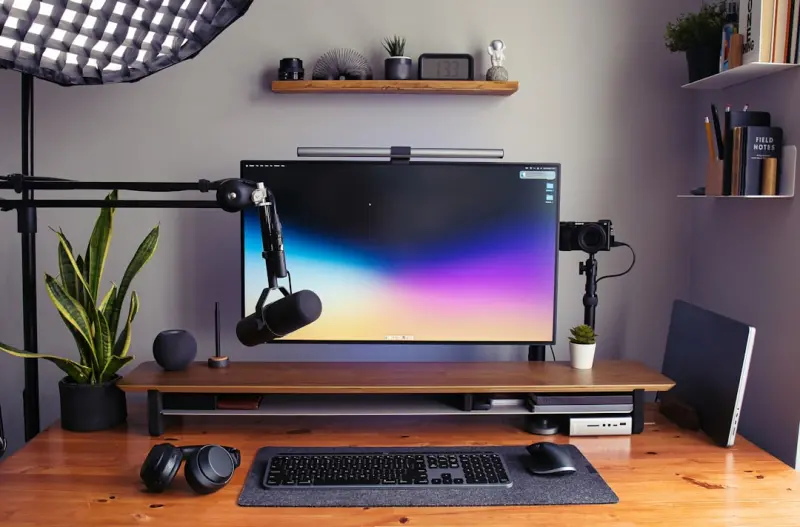
In an era where the boundaries between home and office blur, the light we bathe ourselves in has become an unconscious driver of our health, mood, and productivity. While most of us obsess over Wi‑Fi strength or ergonomic chairs, we often overlook the subtle yet profound influence of ambient illumination on our circadian rhythm. This article dives deep into the science of light, unpacks why remote workers are especially vulnerable to its mismanagement, and offers a step‑by‑step playbook to transform any space into a rhythm‑friendly sanctuary.
Why Light Matters More Than You Think
Our bodies are wired with a master clock nestled in the suprachiasmatic nucleus (SCN) of the brain. The SCN receives direct input from specialized retinal cells that gauge the intensity and wavelength of light hitting our eyes. When the SCN receives bright, blue‑rich light in the morning, it signals the pineal gland to suppress melatonin, nudging us awake and alert. Conversely, dimmer, warmer light in the evening cues melatonin production, ushering sleep.
When this light‑dark cycle gets disrupted—by late‑night screen glare, insufficient daylight, or inconsistent lighting schedules—the ripple effects can manifest as:
- Elevated stress hormones (cortisol spikes that linger beyond the workday).
- Impaired glucose regulation, subtly nudging metabolic health off‑track.
- Reduced cognitive flexibility, making problem‑solving feel like wading through mud.
- Lowered mood, contributing to the “winter blues” even in sunny locales.
For remote professionals who often dictate their own schedule, the temptation is to work late into the night under artificial light. The immediate payoff—extra billable hours—can mask a long‑term health tax that accumulates quietly.
The Hidden Costs of a Poor Light Strategy
Consider two remote workers: Alex, who powers through a 10 p.m. deadline under a bright LED desk lamp, and Maya, who switches to a dim, amber lamp an hour before bedtime. Both finish their tasks, but their bodies respond very differently.
Alex’s late‑night exposure to high‑intensity, blue‑rich light suppresses melatonin, delaying sleep onset by 30‑60 minutes on average. That delayed sleep compresses the deep‑sleep phase, which is crucial for memory consolidation and immune function. Over weeks, Alex may notice:
- Difficulty waking up, despite a “full” night of sleep.
- Frequent afternoon energy crashes.
- Increased cravings for sugary snacks—a sign of dysregulated appetite hormones.
Maya, on the other hand, respects her body’s natural rhythm. By dimming blue wavelengths early, she preserves melatonin production, enjoys more restorative sleep, and wakes refreshed. The downstream benefits include sharper focus during morning meetings, steadier blood sugar, and a calmer emotional baseline.
These anecdotes mirror findings from chronobiology research: consistent light exposure patterns are as vital as diet and exercise for holistic health.
Assessing Your Current Light Environment
Before redesigning, you need a clear snapshot of what you’re dealing with. Follow this quick audit:
- Map light sources. List every lamp, screen, and window that contributes to your workspace. Note the type (LED, fluorescent, natural) and the typical brightness setting.
- Measure intensity. Use a smartphone lux meter app (many are free). Aim for 300–500 lux in the morning, 100–200 lux in the afternoon, and under 50 lux in the evening.
- Identify wavelength. Most modern LEDs emit a significant blue component. If your lamp has a “cool white” label, it’s likely rich in blue light.
- Track usage patterns. Keep a simple log for a week: note when you turn lights on/off, and correlate with energy levels or mood.
This data-driven approach not only highlights glaring gaps but also provides a baseline to measure improvements.
Designing a Light‑Optimized Workspace
Below is a practical playbook that can be rolled out in under an hour, without major renovations.
1. Maximize Natural Light
Position your desk near a window if possible. Even indirect sunlight boosts mood. If glare is an issue, use sheer curtains or a light‑filtering film that diffuses harsh rays while preserving brightness.
2. Install Tunable LED Fixtures
Invest in smart bulbs that let you adjust both intensity and color temperature throughout the day. Set them to a cool, high‑lux setting (5,000 K) for the first two hours after waking, then transition to a neutral tone (3,500 K) by midday, and finally shift to warm amber (2,700 K) after 6 p.m.
3. Deploy Task‑Specific Lighting
Use a bright, focused lamp for detailed work (e.g., design, coding) and a softer ambient light for reading or brainstorming. The contrast reduces eye strain and helps the brain associate specific lighting with particular mental states.
4. Leverage Screen Settings
Most operating systems now include “Night Shift” or “Blue Light Filter” modes. Activate them automatically at sunset. Pair this with a physical screen filter if you need an extra layer of protection.
5. Create a Pre‑Sleep Light Routine
About an hour before bedtime, dim all overhead lights, switch to warm bulbs, and consider using a low‑lux red night lamp if you need a bathroom light. This signals the SCN that it’s time to wind down.
6. Use Light‑Tracking Wearables
Some wearable devices now measure exposure to blue light and can prompt you to adjust settings. While this article isn’t about wearables per se, integrating such data with a broader health dashboard can amplify results.
Beyond Light: Complementary Practices
Lighting alone won’t fix a chaotic schedule, but it works synergistically with other habits. Pair your new light routine with:
- Micro‑Movement Mastery. Even brief stretches every hour keep blood flow steady and support ocular health. You can read more about integrating movement into desk time here.
- Workspace Design for Healing. A clutter‑free environment with natural textures reduces cortisol spikes. Discover actionable tips for creating a restorative office in this guide.
Measuring Impact: Short‑Term Wins and Long‑Term Gains
After implementing the light strategy, monitor the following metrics for four weeks:
- Sleep latency. Time taken to fall asleep should drop by at least 10 minutes.
- Morning alertness. Rate your wake‑up energy on a 1‑10 scale; aim for a 2‑point increase.
- Mid‑day productivity. Track task completion rates; a modest 5‑10% boost signals better cognitive stamina.
- Mood consistency. Use a simple daily mood journal; look for fewer “low” entries.
If you notice improvements, consider fine‑tuning intensity levels or experimenting with light‑blocking glasses during late‑night work sessions.
Future Trends: Light‑Smart Buildings and AI‑Driven Personalization
Architects and tech firms are already piloting “circadian‑responsive” office spaces that automatically adjust lighting based on the time of day and individual biometric feedback. While most of these innovations target corporate headquarters, the underlying technology—sensor‑driven LED panels, AI‑powered lighting schedules—will soon trickle down to home offices.
Stay ahead of the curve by keeping an eye on emerging products, such as smart window films that modulate tint in real‑time, or desktop hubs that sync with your calendar to pre‑set lighting scenes.
Putting It All Together: Your 7‑Day Light Reset Challenge
Ready to test the theory? Commit to the following for a week:
- Morning: Open curtains, turn on cool‑white LEDs at 300 lux.
- Mid‑day: Shift to neutral white, keep intensity around 250 lux.
- Afternoon: Reduce to 150 lux, introduce a warm lamp for creative tasks.
- Evening: Dim all lights, activate blue‑light filters on screens, and switch to amber bulbs.
- Night: Use a red night light only if needed; aim for <50 lux total.
Track your sleep, energy, and mood. You’ll likely discover a clearer mind, steadier energy, and a calmer evening routine—all without sacrificing productivity.
Light is a silent conductor of our daily symphony. By consciously orchestrating it, remote professionals can reclaim their natural rhythms, safeguard their health, and still hit every deadline. The next time you flip a switch, remember: you’re not just lighting a room—you’re shaping your wellbeing.

Lifan Chen is a freelancer based in Toronto specializing in marketing. With expertise in crafting effective marketing strategies and campaigns, Lifan helps businesses grow their brand presence and reach target audiences. As a Toronto-based freelancer, Lifan combines local market insights with creative marketing skills to deliver tailored solutions for clients.
Related Posts

Holistic Health Redefined: My Personal Journey to Whole‑Self Wellness
Nikki McDonald shares her transformative path to holistic health, revealing how mindful nutrition, f... Read More

The Oral Microbiome: Your Mouth’s Secret Role in Whole‑Body Performance
The oral microbiome is a rapid‑response hub that shapes inflammation, hormone balance, and brain c... Read More
The Gut‑Brain Edge: How Microbiome Mastery Boosts Mental Performance
Discover how a diverse microbiome, timed nutrition, and gut‑friendly stress management can transfo... Read More
Top Posts

Crafting a Sensory Birth Journey: Curating Sight, Sound, Scent, and Touch for Calm Labor
Tammy French shares a fresh approach to pregnancy by guiding expectant moms to intentionally shape their sensory environment—light, sound, scent, and touch—...Read More

Hydration Hacks and Mineral Mastery for Stable Blood Sugar
Learn the science behind hydration, electrolytes, and stress‑reduction techniques that keep blood sugar steady, plus a 7‑day reset plan to put these tips in...Read More

City Streets as Gyms: Turning Everyday Urban Life into a Fitness Adventure
Learn to view city streets, staircases, and public spaces as versatile workout tools, turning everyday commutes into engaging fitness adventures....Read More

Smart Tech for Seniors: Boosting Health, Independence, and Connection
A practical guide shows seniors how smart watches, health apps, and voice‑activated devices can empower physical and mental well‑being while fostering safet...Read More
0 Comments
Post Comment
You will need to Login or Register to comment on this post!