
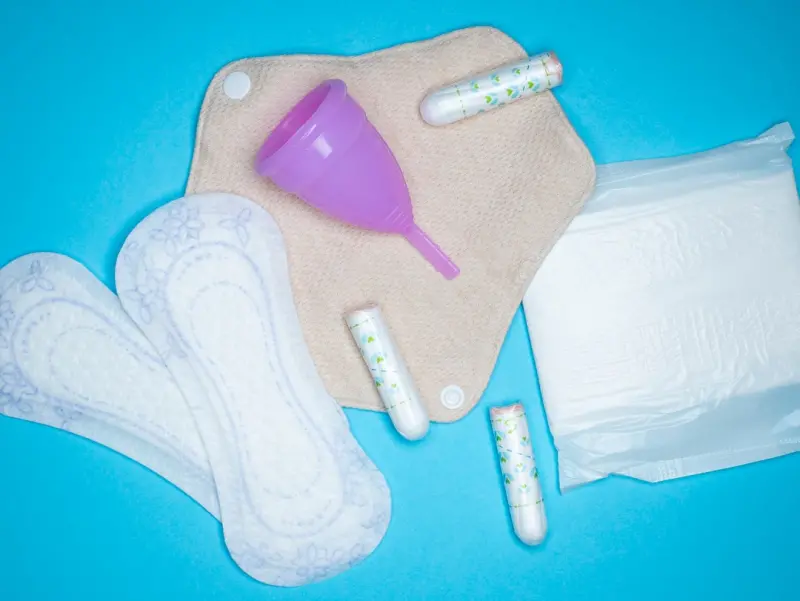
Redefining the Menstrual Blueprint: A Data‑Driven, Holistic Playbook for Modern Women
When I first started writing about health, the conversation often orbited around “big‑picture” metrics—steps, calories, sleep hours. It wasn’t until a close friend confided that her menstrual cycle felt like an unpredictable storm that I realized the narrative was missing a core segment of humanity. Women’s health isn’t a side note; it’s a rhythm that can inform everything from performance at work to long‑term metabolic resilience. This piece is my attempt to fuse the precision of data, the softness of habit design, and the boldness of creative self‑exploration into a fresh playbook for anyone who wants to turn their cycle from a mystery into a strategic advantage.
Why the Cycle Deserves a Dashboard, Not a Diary
Traditional period tracking apps give you a line of dots and a vague “fertile window” notification. They’re useful, but they stop at “what happened.” What if the same interface could also surface actionable insights—like when to push a high‑intensity workout, when to dial back caffeine, or when a particular nutrient could smooth hormonal fluctuations?
Think of it as a personal health operating system that runs in the background, learning from your sleep, nutrition, stress levels, and even environmental cues. The goal isn’t to obsess over every symptom; it’s to create a feedback loop that nudges you toward the next optimal decision.
Three Pillars of a Cycle‑Centric Lifestyle
My approach rests on three interlocking pillars: bio‑feedback integration, habit‑stacking, and creative embodiment. Each pillar can be introduced gradually, allowing you to experiment without feeling overwhelmed.
1. Bio‑Feedback Integration
Wearable technology has evolved far beyond step counters. Modern sensors can track basal body temperature, heart‑rate variability (HRV), skin conductance, and even subtle hormonal shifts via sweat analysis. By pairing these metrics with a simple spreadsheet or a more sophisticated app, you start to see patterns that were previously invisible.
- Temperature trends: A slight rise in basal temperature signals the luteal phase, a window where the body is primed for repair.
- HRV dips: Often correlate with high estrogen days, suggesting a need for gentle movement rather than heavy lifting.
- Sleep architecture: REM proportion can swing dramatically across the cycle, influencing memory consolidation and emotional regulation.
Once you have a baseline, you can set automated alerts—like a gentle reminder to hydrate more when your HRV drops. Speaking of hydration, you’ll find that personalized hydration strategies can be especially potent during the follicular phase when the body’s water retention naturally fluctuates.
2. Habit‑Stacking for Hormonal Harmony
Instead of overhauling your entire routine, add micro‑habits that align with each phase. The science behind habit‑stacking is simple: attach a new behavior to an already‑established cue. Here’s a sample stack:
- Morning light exposure (Days 1‑14): Open the curtains within five minutes of waking. Light exposure early in the follicular phase can amplify estrogen’s mood‑lifting effect.
- Mid‑day movement break (Days 15‑28): A 5‑minute walk after lunch supports progesterone‑driven repair processes and steadies blood sugar.
- Evening wind‑down ritual (All phases): A 10‑minute meditation followed by a cup of herbal tea (e.g., ginger or raspberry leaf) signals the nervous system that it’s time to transition into rest.
These micro‑adjustments compound over weeks, creating a rhythm that feels natural rather than forced.
3. Creative Embodiment: Turning Cycle Data into Art
Data can be beautiful if you let it. I encourage you to translate your monthly metrics into visual or auditory expressions—think color‑coded charts, soundscapes, or even short narrative sketches. The act of externalizing the cycle turns abstract numbers into a story you can relate to, and it also serves as a mental health buffer.
One of my favorite experiments is to map basal temperature swings onto a simple piano roll. The rising notes during the luteal phase create a soothing, descending melody that I play before bed. This auditory cue reinforces my body’s natural rhythm and eases anxiety.
Nutrition: Timing, Not Just Content
Most nutrition advice treats meals as static events. In a cycle‑aware framework, timing becomes a lever. For example, during the high‑estrogen follicular phase, your body tolerates higher carbohydrate loads because estrogen improves insulin sensitivity. Conversely, in the progesterone‑dominant luteal phase, you may feel better with slightly higher protein and healthy fats to stabilize blood glucose.
To dive deeper into how macronutrients interact with brain chemistry, check out the concepts behind nutrient timing for hormone balance. The idea is to pair flavors and textures that not only satisfy taste buds but also send supportive signals to your endocrine system.
The Environment’s Quiet Influence
Beyond diet and wearables, the spaces you occupy shape hormonal health. Light exposure is a classic example—blue light in the evening suppresses melatonin, which can throw off the delicate estrogen‑progesterone dance. By curating your lighting (warm, dim bulbs after 8 p.m., bright natural light in the morning), you give your circadian system the cues it craves.
Another subtle factor is indoor air quality. While most people associate air quality with respiratory health, research shows that chronic low‑grade inflammation from poor air can exacerbate menstrual discomfort. Simple actions—like adding a plant that filters VOCs or using a HEPA filter—can have outsized benefits.
Stress Management: From Reactive to Proactive
Stress is the ultimate hormone thief. Cortisol spikes can suppress the luteal phase’s progesterone surge, leading to irregular cycles and mood swings. Rather than relying solely on “stress‑relief” activities after the fact, embed proactive stress buffers into your day.
- Micro‑breathing drills: Three sets of 4‑7‑8 breathing during work breaks keep the sympathetic nervous system in check.
- Digital declutter windows: A 30‑minute device‑free zone each evening reduces blue‑light exposure and mental chatter.
- Grounding rituals: Walking barefoot on grass or sand for five minutes stimulates the parasympathetic system, especially beneficial during the luteal phase.
Putting It All Together: A Sample 28‑Day Cycle Blueprint
Below is a high‑level view of how the three pillars can intertwine across a typical 28‑day cycle. Feel free to customize based on your own data and preferences.
| Phase | Days | Key Bio‑Feedback Cue | Habit Stack | Creative Expression |
|---|---|---|---|---|
| Follicular (Rise) | 1‑14 | Basal temp low, HRV high | Morning light exposure; high‑carb breakfast | Bright color palette journal |
| Luteal (Peak) | 15‑28 | Basal temp rises, HRV dips | Mid‑day walk; protein‑rich lunch; evening wind‑down | Piano‑roll temperature melody |
Measuring Success Without Obsession
Success isn’t a flawless spreadsheet. It’s a series of small, measurable wins:
- Reduced PMS severity (self‑rated 1‑10 scale)
- Improved sleep quality (sleep tracker < 80 % wake‑after‑sleep‑onset)
- Consistent energy levels during workdays (subjective rating)
Track these metrics weekly rather than daily. This macro view keeps you motivated while respecting the natural variability of your body.
Looking Ahead: The Future of Cycle‑Centric Health Tech
We’re on the cusp of AI‑driven hormone prediction models that could suggest meal plans, workout intensities, and even social schedules based on real‑time data. Imagine an app that says, “Today’s HRV suggests you’re in a high‑estrogen window—opt for a yoga flow and a quinoa bowl.” While still emerging, these tools promise to make the cycle‑centric approach accessible to anyone, regardless of tech savviness.
Final Thoughts: Embrace the Rhythm, Own the Narrative
Women have historically been told to “just deal with it.” That narrative is shifting. By treating the menstrual cycle as a data‑rich, adaptable system, we move from passive endurance to active empowerment. The blend of wearable bio‑feedback, habit stacking, and creative embodiment isn’t a gimmick—it’s a pragmatic roadmap to a more resilient, vibrant self.
Start small. Pick one bio‑feedback metric, add a matching habit, and give it a creative twist. Over the next few months, you’ll notice patterns, feel more in sync, and perhaps most importantly, rewrite the story you tell yourself about what it means to be a woman in the modern world.

Brody Lambert is an emerging freelance writer whose fresh voice and thoughtful approach are quickly making their mark. As a fairly new entrant in the world of freelance writing, Brody brings a blend of curiosity and dedication that fuels every project, crafting stories and content that resonate with authenticity and clarity.
Related Posts

Holistic Strategies Every Woman Needs for Vibrant Health
A comprehensive guide to holistic women’s health, offering practical steps for hormone balance, gu... Read More

Cycle‑Smart Nutrition: Tailoring Your Diet to Every Phase of the Menstrual Cycle
Learn how to match your nutrition to the four phases of the menstrual cycle, optimizing energy, mood... Read More
Period Power: Turning Your Cycle into a Strength Engine
Learn how to transform your menstrual cycle from a monthly inconvenience into a strategic advantage ... Read More
Top Posts
The Untapped Edge: Natural Strategies for Men’s Hormone Balance
A practical, science‑backed roadmap for men to naturally optimize hormone health through nutrition, training, stress relief, and sleep....Read More

When Autoimmune Flare Meets the Boardroom: Strategies for High‑Performers
A pragmatic guide for professionals with autoimmune conditions, offering actionable strategies to balance career demands with health, from energy mapping to dat...Read More
Digital Reset: Micro‑Meditations, Focus Zones, and the Power of Intentional Offline Time
A practical guide to reclaiming mental clarity through brief mindfulness pauses, intentional digital boundaries, and weekly offline retreats, all backed by neur...Read More
Fueling Focus: How Nutrient Timing Supercharges Remote Work
Discover a practical nutrient timing plan that aligns meals with circadian rhythms, enhances focus, and integrates seamlessly into the remote work lifestyle....Read More
0 Comments
Post Comment
You will need to Login or Register to comment on this post!