

Why Everyday Chemicals Are the Unseen Threat to Women’s Hormonal Health
When you think of “dangerous” for women’s health, the mind often jumps to obvious culprits: smoking, poor diet, or lack of exercise. Yet a far more insidious menace lives in the very products we touch, breathe, and ingest daily. From the fragrance in a bottle of shampoo to the plastic lining of a take‑out container, countless synthetic compounds act as endocrine disruptors—chemicals that mimic, block, or otherwise interfere with the body’s hormone signaling. For women, whose health is intricately tied to hormonal balance throughout the life cycle, this hidden exposure can fuel a cascade of issues ranging from menstrual irregularities to fertility challenges, premature menopause, and even heightened risk of hormone‑driven cancers.
What Are Endocrine Disruptors?
Endocrine disruptors (EDCs) are a broad class of substances that can alter the normal function of the endocrine system. Unlike a medication that is prescribed with a known dose and purpose, EDCs are often present in trace amounts, yet their biological impact can be disproportionate. The most infamous examples include:
- Bisphenol A (BPA) – used in polycarbonate plastics and epoxy resins found in water bottles, food cans, and receipts.
- Phthalates – plasticizers that give flexibility to PVC, present in everything from cosmetics to medical tubing.
- Parabens – preservatives in personal care items that keep products from spoiling.
- Polychlorinated biphenyls (PCBs) – legacy industrial chemicals that persist in the environment and accumulate in the food chain.
These compounds can bind to estrogen, androgen, thyroid, and other hormone receptors, either activating them inappropriately or blocking their natural ligands. The result? A hormonal “noise” that confuses the body’s finely tuned communication network.
The Female Hormonal Landscape: Why Women Are Particularly Vulnerable
Women rely on a delicate balance of estrogen, progesterone, and other hormones for reproductive health, bone density, cardiovascular function, and even cognition. Disruption at any stage—puberty, pregnancy, perimenopause—can have outsized consequences:
- Menstrual Irregularities: EDC exposure has been linked to longer cycles, heavier bleeding, and an increased incidence of polycystic ovary syndrome (PCOS).
- Fertility Decline: Studies show reduced ovarian reserve and lower embryo implantation rates in women with higher urinary BPA levels.
- Early Menopause: Women with higher cumulative exposure to certain phthalates tend to experience menopause a few years earlier, shortening their reproductive window.
- Hormone‑Driven Cancers: Elevated estrogenic activity from chemicals like BPA may fuel the growth of breast and endometrial cancers.
Tracing the Exposure Pathways
Understanding how these chemicals infiltrate our bodies is the first step toward mitigation. The most common pathways include:
- Dietary Intake: Canned foods, fast‑food wrappers, and even the linings of glass jars can leach BPA and phthalates into meals.
- Personal Care Products: Shampoos, lotions, and makeup often contain parabens and phthalates as preservatives and fragrance carriers.
- Household Dust: Indoor dust can accumulate fragments of plastic toys, upholstery, and flooring, becoming a source of inhalation exposure, especially for children.
- Medical Devices: Certain IV tubing, catheters, and hormone‑delivery patches are manufactured with PVC, which can release phthalates into the bloodstream.
Connecting the Dots: Hormones, Immunity, and Inflammation
It’s tempting to compartmentalize health topics, but the truth is that endocrine disruption often dovetails with immune dysregulation. Women with heightened exposure to EDCs frequently report more severe autoimmune flare‑ups. This isn’t a coincidence. Hormones modulate immune cell activity, and when synthetic chemicals throw the endocrine system off‑balance, the immune system can become over‑reactive or under‑responsive. For those interested in a data‑driven approach, the concept of Autoimmune Resilience offers a blueprint for using wearable metrics to anticipate and mitigate flare‑ups—an approach that can be extended to monitor the subtle hormonal shifts caused by EDCs.
Nutrition as a Shield: Leveraging Chrononutrition to Counteract Disruption
While we cannot eliminate every source of endocrine disruptors, we can fortify the body’s natural defenses. One emerging strategy is Chrononutrition—the practice of aligning meals with our circadian rhythms. By timing nutrient intake to support liver detoxification pathways, we enhance the body’s ability to metabolize and excrete harmful chemicals.
Key nutritional tactics include:
- Cruciferous Vegetables: Broccoli, kale, and Brussels sprouts contain glucosinolates that boost phase‑II detox enzymes.
- Fiber‑Rich Foods: Soluble fiber binds to estrogen‑like compounds in the gut, reducing reabsorption.
- Healthy Fats: Omega‑3 fatty acids from fish and flaxseed help stabilize cell membranes, making them less permeable to lipophilic disruptors.
- Antioxidant‑Heavy Fruits: Berries provide polyphenols that protect hormone receptors from oxidative damage.
Practical Steps to Reduce Everyday Exposure
Below is a concise, actionable checklist that women can incorporate into daily routines without feeling overwhelmed:
- Swap Plastic for Glass or Stainless Steel: Use glass water bottles, stainless steel travel mugs, and silicone food storage bags.
- Read Labels on Personal Care Items: Look for “paraben‑free,” “phthalate‑free,” and “fragrance‑free” designations. Opt for products with minimal ingredient lists.
- Choose Fresh or Frozen Produce Over Canned: If you must use canned goods, rinse them thoroughly to reduce BPA leaching.
- Ventilate Your Home: Open windows daily to disperse indoor dust and volatile organic compounds (VOCs) that may contain EDCs.
- Prefer Organic When Possible: Pesticide residues can act as endocrine disruptors; organic produce reduces this risk.
- Limit Heat Exposure to Plastics: Do not microwave food in plastic containers; heat accelerates chemical migration.
- Invest in an Air Purifier: HEPA filters capture particulate matter, including micro‑plastics that can become airborne.
The Role of Community and Support Networks
Changing habits is easier when you have allies. Community initiatives—whether a local “plastic‑free” challenge or an online forum sharing product swaps—provide accountability and fresh ideas. The concept of The Healing Power of Companionship illustrates how social bonds amplify health outcomes. In the context of endocrine health, sharing experiences about symptom improvements after reducing chemical exposure can inspire collective action and sustain long‑term change.
When to Seek Professional Guidance
Women who suspect that chemical exposure is impacting their health should consider a multi‑disciplinary approach:
- Endocrinologist Consultation: For persistent menstrual irregularities, unexplained weight changes, or early menopause symptoms.
- Functional Medicine Practitioner: Can order specialized tests (e.g., urinary BPA, phthalate metabolites) and design individualized detox protocols.
- Nutritionist or Dietitian: To tailor a chrononutrition plan that supports detox pathways while meeting macronutrient needs.
- Environmental Health Specialist: Offers home assessments to identify hidden sources of EDCs.
Looking Ahead: Policy, Innovation, and the Future of Women’s Hormonal Health
Individual actions matter, but systemic change is essential for lasting impact. Advocacy for stricter regulations on BPA, phthalates, and parabens can dramatically reduce population‑wide exposure. Emerging technologies—such as biodegradable polymers and plant‑based preservatives—are poised to replace harmful chemicals, but they need market acceptance and legislative support.
On the research front, scientists are developing high‑throughput screening methods to identify new endocrine disruptors before they enter the market. Women’s health organizations are calling for gender‑specific risk assessments, recognizing that a one‑size‑fits‑all toxicology model overlooks the unique hormonal dynamics of females.
Takeaway: Empowerment Through Knowledge
Women have always navigated complex hormonal landscapes—from the natural ebb and flow of the menstrual cycle to the profound transitions of pregnancy and menopause. In the modern era, an invisible layer of synthetic chemicals now overlays that landscape, challenging our bodies in subtle yet significant ways. By staying informed, making mindful product choices, and leveraging nutrition and community support, each woman can reclaim agency over her hormonal health. The battle against silent saboteurs begins with curiosity, continues with action, and thrives on collective momentum.

Related Posts

How Hormonal Rhythms Can Power Your Career and Well‑Being
Learn how to view the menstrual cycle as a strategic asset, aligning tasks, nutrition, and recovery ... Read More
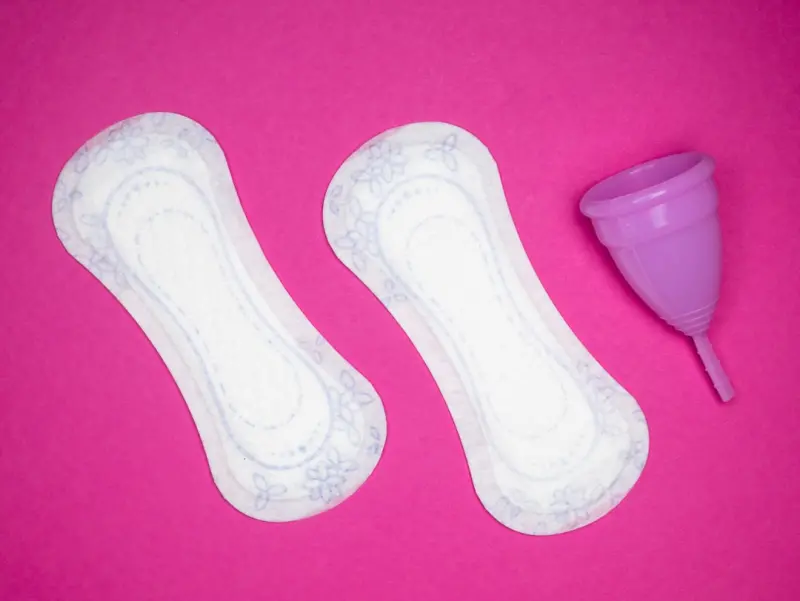
Beyond the Cycle: Reimagining Menstrual Wellness for Modern Women
A comprehensive guide that reframes the menstrual cycle as a dynamic ally, offering practical sleep,... Read More

Holistic Strategies Every Woman Needs for Vibrant Health
A comprehensive guide to holistic women’s health, offering practical steps for hormone balance, gu... Read More
Top Posts

Whole‑Self Wellness: My 2026 Blueprint for Vibrant Health
A personal 2026 guide to Whole‑Self Wellness, blending detox, brain health, stable blood sugar, movement, sleep, and community for lasting vitality....Read More
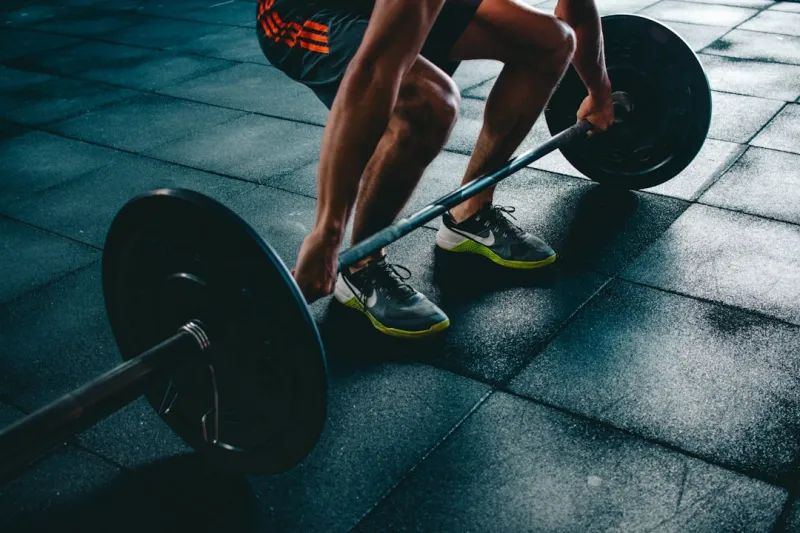
The Holistic Exercise Blueprint: Paula Wright’s 2024 Playbook for Sustainable Fitness
Paula Wright shares her 2024 holistic exercise blueprint, weaving functional strength, mobility, cardio, and community support into a sustainable fitness routin...Read More

When Exercise Becomes Your Brain’s Playground
Discover how framing exercise as a series of playful, short “Movement Curiosity Sessions” can boost creativity, improve focus, and enhance overall well‑be...Read More

Why Men Need a Hormone Reset, Not Just a Gym Routine
Men’s health isn’t just about the gym. Learn how hormonal balance, gut health, stress reduction, and nature can boost performance and wellbeing with simple,...Read More
0 Comments
Post Comment
You will need to Login or Register to comment on this post!