
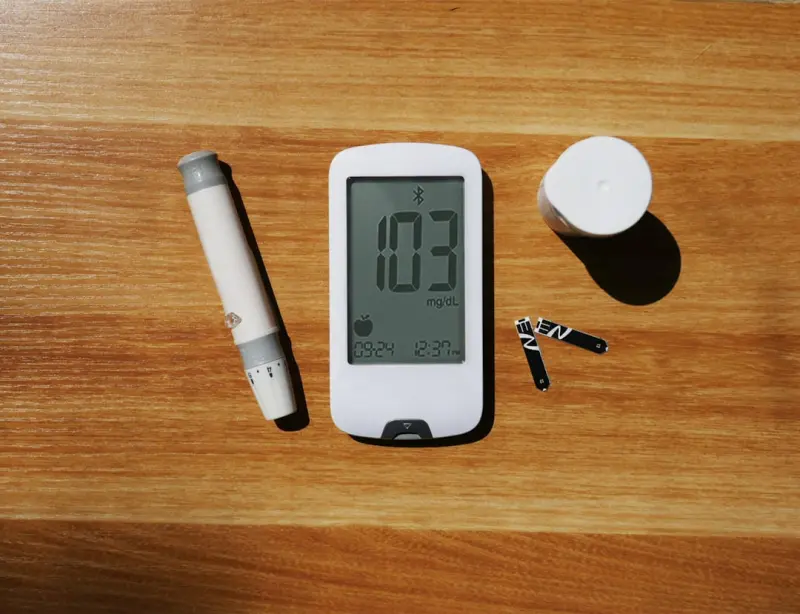
Why Prediabetes Is the Silent “Upgrade” Your Body Is Trying to Tell You About
When I first ran a beta test on my own health metrics, the data whispered something uncomfortable: my fasting glucose hovered in the prediabetic range. It wasn’t a diagnosis, just a yellow flag flashing on the dashboard of my life. Instead of panicking, I asked the same question I ask every product roadmap: What is the user trying to achieve? The answer was simple—my body wanted a more sustainable energy model.
Most conversations about prediabetes orbit around “avoid sugar” or “exercise more.” Those are valid, but they’re also the surface of a deeper systems problem. In this post, I’ll peel back the layers, show you how to treat prediabetes like a software upgrade, and give you concrete, habit‑level actions that don’t feel like a punishment.
1. Reframe the Narrative: From “Risk” to “Opportunity”
In tech, a “beta” isn’t a failure; it’s a chance to iterate before launch. Treat prediabetes the same way. It’s a data point that says, “Your current inputs are misaligned with your desired output.” By shifting the narrative, you turn anxiety into motivation.
Think of your glucose regulation as a feedback loop. When the loop is noisy—high‑glycemic foods, erratic sleep, chronic stress—the system throws a warning. Your job is to clean the signal, not just shut it down.
2. The Hidden Cost Matrix: Money, Time, and Energy
Most people focus on the medical stakes (heart disease, neuropathy). I dug into the financial impact. A single year of unmanaged prediabetes can add $1,200–$2,000 in extra healthcare costs, not to mention lost productivity. When you overlay that with the cost of health coverage for freelancers, the equation becomes clear: early intervention is an economic imperative.
Consider a simple ROI model:
- Investment: 15 minutes of meal planning, a 10‑minute walk after lunch, a night of 7‑8 hours sleep.
- Return: Reduced medication risk, lower insurance premiums, and reclaimed mental bandwidth for creative work.
The math isn’t fancy, but the principle is solid: small, consistent inputs yield outsized returns.
3. Behavioral Architecture: Designing Your Environment, Not Just Your Willpower
Willpower is a finite resource—just like battery life on a laptop. The smarter approach is to design your surroundings so the right choices are the default ones. Here are three low‑friction levers:
- Kitchen Real Estate: Keep whole fruit in a bowl on the counter, stash processed snacks on a high shelf, and store nuts in a clear jar on the counter. Visibility drives consumption.
- Digital Nudges: Use a phone widget that flashes a gentle reminder when you’ve logged more than 30 minutes of sedentary time. Pair it with a 5‑minute stretch routine.
- Social Commitment: Share a weekly “glucose goal” with a peer group (Slack channel, Discord server, or a coffee club). Public accountability boosts adherence.
When you build the environment first, the habit follows—just like a well‑coded API that returns the expected result without extra debugging.
4. Stress Management: The Overlooked Glycemic Variable
Stress hormones (cortisol, adrenaline) signal your liver to release glucose for “fight or flight,” regardless of whether you’re actually in danger. Chronic stress, therefore, keeps your blood sugar perpetually high.
My go‑to stress‑buster is a short, intentional breathing session before every major meeting. The routine is simple:
- Inhale for a count of four.
- Hold for four.
- Exhale for six.
- Pause for two.
Repeat three times. It drops cortisol within minutes, and more importantly, it trains your nervous system to treat “urgent emails” as low‑threat signals.
5. Sleep: The Unsung Glycemic Regulator
When you skimp on sleep, insulin sensitivity plummets. The paradox is that many high‑performers sacrifice sleep for productivity, only to see their energy dip later. The solution isn’t “more sleep,” it’s “better sleep.”
Implement a wind‑down stack:
- Dim lights 60 minutes before bed.
- Swap screens for a paper journal or a meditation app.
- Set the thermostat to ~68°F (20°C) to facilitate the natural dip in core body temperature.
Consistent, restorative sleep acts like a nightly firmware update—optimizing your metabolic algorithms for the next day.
6. Nutrition Beyond “Low Sugar”
Most prediabetes guides scream “cut carbs.” While refined carbs are problematic, the nuance lies in fiber, protein, and micronutrient balance. Here’s a practical plate model:
- Half non‑starchy vegetables (leafy greens, peppers, zucchini).
- One quarter lean protein (fish, tofu, beans).
- One quarter low‑glycemic whole grains or starchy veg (quinoa, sweet potato).
- A drizzle of healthy fat (olive oil, avocado).
This ratio slows glucose absorption, blunts insulin spikes, and keeps you satiated.
7. Data‑Driven Self‑Tracking Without Obsession
We live in an era where a continuous glucose monitor (CGM) is as affordable as a smartwatch. But data overload can be paralyzing. My method is trend‑focused, not point‑focused:
- Record fasting glucose every morning.
- Log a simple “energy score” (1–5) after meals.
- Review weekly trends, not daily fluctuations.
When you see a pattern—say, higher scores after late‑night snacking—you can make a targeted adjustment.
For those who love a deeper dive, check out our pragmatic guide to tech‑enhanced longevity, which walks through integrating CGM data with other health metrics.
8. Community & Peer Support: The Power of Shared Momentum
Human beings are wired for collaboration. A solitary journey with prediabetes feels like debugging in a vacuum. I joined a small “Metabolic Mastery” group on a professional network. We meet bi‑weekly for:
- Quick wins sharing (new recipes, micro‑workouts).
- Data bragging (who lowered fasting glucose this week).
- Accountability checks (commitments for the next two weeks).
The group’s collective intelligence accelerates learning—much like an open‑source project where contributors spot bugs you missed.
9. Small Wins That Compound: Habit Stacking for Glucose Control
Instead of overhauling your entire lifestyle, stack tiny habits onto existing routines:
- After brushing teeth, drink a glass of water with a squeeze of lemon (hydration + digestive aid).
- Before checking email, do 10 deep breaths (stress reset).
- When you sit down for lunch, place a piece of fruit on your plate (visual cue for fiber).
Each stack adds a micro‑upgrade to your metabolic system. Over months, these tiny changes compound into a substantial health upgrade.
10. The Final Checkpoint: Reassess, Iterate, Celebrate
Every quarter, schedule a “system audit.” Pull your glucose logs, sleep stats, stress scores, and habit tracker. Ask:
- What’s improved?
- What’s still noisy?
- Which habit stack can I add or replace?
Celebrate every positive trend. In software, a successful sprint ends with a demo; in health, your demo is a lower fasting glucose, more energy, or a lighter mood. Acknowledgment reinforces the loop.
Prediabetes isn’t a life sentence—it’s a beta release of your metabolic software. By applying design thinking, leveraging community, and using data wisely, you can push the “launch” button on a healthier version of yourself. The journey is incremental, but the payoff is a life that runs smoother, faster, and with fewer error messages.

Related Posts

The Silent Saboteur: How Workplace Culture Fuels Prediabetes and What You Can Do
A deep dive into how stress, sedentary work, and digital overload create hidden metabolic risks, wit... Read More
Breathing Into Balance: A Mindful Path to Taming Prediabetes
Learn how mindful breathing activates the parasympathetic nervous system, reduces cortisol, and stab... Read More

Navigating Prediabetes: A Holistic Roadmap to Balance and Vitality
I share my journey from a shocking prediabetes diagnosis to a vibrant, balanced life using holistic ... Read More
Top Posts

Redefining Men’s Health: A Holistic Guide for Modern Guys
A candid, holistic roadmap for men—covering stress, nutrition, sleep, movement, and community—to build lasting strength, mental clarity, and vibrant health....Read More
Beyond the Diagnosis: How Data‑Driven Lifestyle Tweaks Can Shift the Cancer Narrative
A comprehensive guide shows how wearables, workspace design, nutrition, and narrative medicine combine to create a proactive, data‑driven approach to cancer r...Read More

When Physiotherapy Meets the Remote Workspace: A New Playbook for Sustainable Movement
Remote work often leads to hidden musculoskeletal strain. This post offers a practical physiotherapy‑based playbook—micro‑movements, recovery rituals, tec...Read More

Learning to Age: Why Lifelong Skill‑Building Is the Secret Weapon for Healthy Longevity
Lifelong learning fuels neuroplasticity, strengthens physical coordination, and deepens social connections, making it a powerful, under‑appreciated pillar of ...Read More
0 Comments
Post Comment
You will need to Login or Register to comment on this post!