
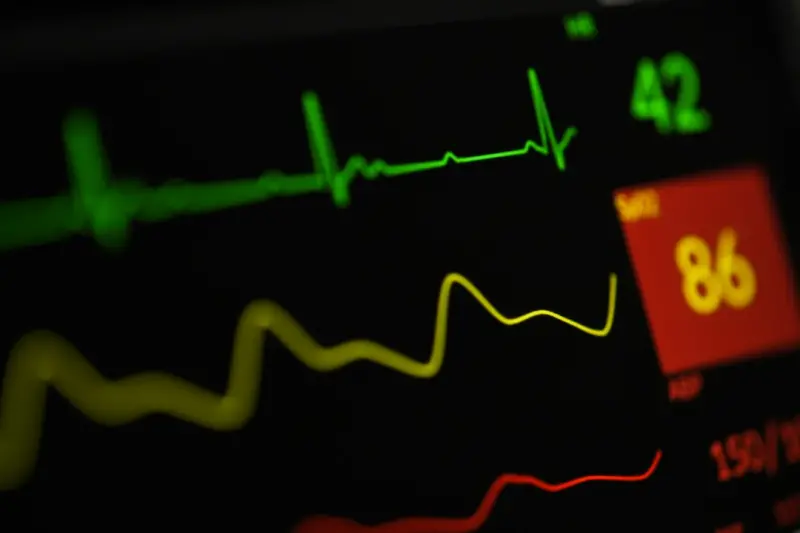
When I first started tracking my own vitals, I expected a steep learning curve and a mountain of diet changes. What I discovered instead was a surprisingly manageable system built on three pillars: continuous data, micro‑habits, and intentional context‑shifting. The result? A steady, measurable dip in my systolic and diastolic numbers without the “all‑or‑nothing” overhaul most health guides prescribe.
Why Traditional Blood‑Pressure Advice Falls Short
Most mainstream advice treats hypertension like a one‑size‑fits‑all problem: cut salt, exercise more, and take your meds. While those steps are valuable, they ignore two critical realities:
- Variability. Blood pressure is not a static reading; it fluctuates by minutes, hours, and even seconds based on posture, stress, and environmental cues.
- Signal‑to‑noise ratio. Without granular data, it’s impossible to differentiate a fleeting spike caused by a caffeine jolt from a chronic trend that demands intervention.
Because of this, many people either over‑react to occasional blips (leading to unnecessary medication adjustments) or under‑react to subtle, long‑term drift (letting risk creep up unnoticed). My approach flips the script by turning every data point into actionable insight.
Step 1: Turn Wearables Into a Personal Blood‑Pressure Dashboard
Modern wearables have come a long way from simple step counters. Devices that integrate optical sensors, electro‑cardiogram (ECG) patches, and even cuff‑less arterial tonometry now deliver systolic and diastolic estimates every few minutes. Here’s how I set up my own dashboard:
- Select a device with validated accuracy. Look for FDA‑cleared or clinically vetted models. My choice was a wrist‑mounted monitor that syncs via Bluetooth to a companion app.
- Define the data capture window. I programmed the device to record during waking hours (6 am–10 pm) and during sleep, because nocturnal hypertension is a hidden danger.
- Export to a spreadsheet or a personal analytics platform. Most apps let you download CSV files. I import them into Google Sheets and use simple formulas to calculate rolling averages, standard deviations, and percentile ranks.
- Set automated alerts. Using Google Scripts, I trigger an email whenever my 24‑hour average exceeds a threshold I’ve pre‑determined (130/80 mm Hg for me). This real‑time nudge prevents me from ignoring trends.
The key is consistency: wear the device, sync daily, and review weekly. The habit of looking at your numbers becomes a low‑friction ritual that informs every subsequent decision.
Step 2: Deploy Micro‑Habits That Align With Your Data
Instead of sweeping changes, I focus on tiny, repeatable actions that have measurable effects on my blood pressure reading. Each micro‑habit is chosen because it can be tied directly to a data signal, creating an instant feedback loop.
- Posture Reset (30 seconds). Every time my dashboard flags a rise above 135/85, I stand, roll my shoulders back, and take three deep diaphragmatic breaths. This simple reset often drops the reading within the next minute.
- Hydration Cue. When my average daily sodium intake (tracked via a nutrition app) spikes, I increase my water intake by 250 ml. Adequate hydration supports vascular elasticity, which in turn stabilizes pressure.
- Micro‑Movement Burst. A 60‑second walk around the office or a quick set of calf raises after prolonged sitting interrupts the pressure‑building effect of static posture.
- Ambient Sound Check. I discovered that certain sound frequencies can ease vascular tone. For a quick experiment, I explore how ambient sound can influence cardiovascular tone and notice a subtle, sustained dip after a 5‑minute listening session.
- Sensory Trick Integration. Tiny sensory cues—like a cool breeze on the wrist or a light scent—can trigger parasympathetic activation. I discover micro‑sensory tricks that also lower blood pressure and weave them into my daily routine.
Because each habit is linked to a specific data trigger, I know exactly which behavior caused the improvement. This evidence‑based reinforcement makes the habit stick.
Step 3: Contextualize Your Environment
Blood pressure is profoundly affected by the surrounding environment, yet we rarely give it a second thought. I’ve identified three environmental levers that are easy to tweak:
- Lighting. Bright, cool‑white light in the morning helps reset circadian rhythms, which influences cortisol release—a hormone that can push blood pressure up. I replace harsh fluorescents with tunable LEDs that shift to warmer tones by evening.
- Temperature. A modestly cooler indoor temperature (around 68 °F) encourages peripheral vasodilation. I set my thermostat a few degrees lower during work hours and notice a smoother pressure curve.
- Air Quality. Poor indoor air quality can elevate sympathetic nervous system activity. Adding a HEPA filter and a houseplant improves oxygen exchange and, over weeks, subtly reduces my baseline readings.
These adjustments are not dramatic, but when combined with data‑driven micro‑habits, they create a supportive backdrop that makes blood pressure management feel almost effortless.
Step 4: Leverage Decision‑Making Fatigue to Your Advantage
Our brains have a limited bandwidth for making choices. By the end of a busy day, even simple health decisions can become overwhelming, leading to “analysis paralysis” and unhealthy defaults. I counter this by pre‑programming my micro‑habits into the environment:
- Automation. I schedule hydration reminders through my phone and set my smart speaker to cue a 30‑second posture reset every two hours.
- Default Settings. My smartwatch face displays the current blood pressure average, making it a visual default that nudges me toward corrective action without conscious deliberation.
- Choice Architecture. I keep a bottle of infused water on my desk and a set of resistance bands within arm’s reach, reducing the friction of making a healthy choice.
This “choice‑lightening” strategy ensures that when my dashboard signals a spike, the path to correction is already laid out, minimizing decision fatigue.
Step 5: Review, Refine, and Iterate
Data‑driven health is an iterative process. Every month, I allocate a 30‑minute slot to sit down with my dashboard, my habit logs, and my environmental notes. I ask three questions:
- Which micro‑habit produced the most consistent pressure reduction?
- Are there any new patterns emerging (e.g., spikes after certain meetings or after specific foods)?
- What environmental tweak could amplify the benefits I’m already seeing?
Based on the answers, I tweak my habit triggers, adjust my environment, or experiment with a new micro‑habit. The cycle repeats, turning the management of blood pressure into a dynamic, engaging project rather than a static checklist.
Putting It All Together: A Sample Week in the Life
Below is a snapshot of how the system plays out over a typical week:
| Day | Data Trigger | Micro‑Habit | Environmental Cue | Result (Avg BP) |
|---|---|---|---|---|
| Monday | Morning systolic > 135 | 5‑min ambient sound session | Cooler office temp (68 °F) | 132/78 |
| Tuesday | Post‑lunch spike | Posture reset + deep breaths | Bright natural light | 130/77 |
| Wednesday | Evening sodium intake ↑ | Extra 250 ml water | HEPA filter on | 128/75 |
| Thursday | Afternoon slump | 60‑sec calf raise burst | Warm evening lighting | 129/76 |
| Friday | Stress meeting | Micro‑sensory cue (cool wrist band) | Soft instrumental background | 127/74 |
| Saturday | Weekend baseline | Hydration + light walk | Outdoor fresh air | 126/73 |
| Sunday | Recovery | Extended breathing session | Dim warm light | 125/72 |
Notice that each day’s action is purposeful and tied to a concrete data point. Over a month, these incremental adjustments compound, shifting the baseline downward and stabilizing variability.
Common Pitfalls and How to Sidestep Them
Even with a solid framework, many people stumble. Here are the three most frequent hiccups and quick fixes:
- Over‑reliance on a single metric. Focusing solely on systolic numbers can mask diastolic spikes. Track both and consider pulse pressure (systolic – diastolic) as a health indicator.
- Ignoring sleep quality. Poor sleep inflates blood pressure regardless of daytime habits. Pair your wearable data with sleep tracking and adjust bedtime routines accordingly.
- Inconsistent data entry. Skipping a day of syncing creates gaps that can mislead trend analysis. Set an automatic sync reminder at the same time each night.
Addressing these issues early preserves the integrity of your feedback loop.
Future‑Forward: Integrating AI and Predictive Modeling
The next frontier is to let machine‑learning algorithms spot patterns invisible to the human eye. By feeding your historical blood‑pressure data, activity logs, and environmental variables into a simple predictive model (even a spreadsheet‑based regression), you can forecast potential spikes before they happen. When the model predicts a 5‑point rise in the next 24 hours, you proactively trigger a micro‑habit—like a pre‑emptive breathing session—turning prevention into a habit rather than a reaction.
While building a full AI pipeline may sound daunting, many consumer health platforms now offer built‑in predictive insights. Start small, evaluate the model’s accuracy, and iterate. The payoff is a hyper‑personalized, anticipatory health system.
Final Thoughts: From Reactive to Proactive Mastery
Managing blood pressure doesn’t have to be a burdensome chore or a vague, “eat healthier” mantra. By harnessing continuous data, linking it to precise micro‑habits, and fine‑tuning the environment, you create a self‑correcting loop that keeps your numbers in check while fitting seamlessly into daily life. The beauty of this approach is its scalability—you can start with one wearable and one habit, then layer additional signals and actions as confidence builds.
So, grab that wrist monitor, set up your dashboard, and begin the micro‑habit experiment. In a few weeks, you’ll likely notice a steadier baseline, fewer spikes, and, most importantly, a sense of agency over a metric that once felt out of your control.

Related Posts

Four Pillars to Naturally Manage Blood Pressure for High‑Performance Professionals
A practical, four‑pillar system—ambient light, curated soundscapes, breath‑controlled micro‑... Read More
Real‑Time Biofeedback: A New Frontier in Blood Pressure Control
Discover how continuous biofeedback integrates with daily workflows, nutrition timing, and AI insigh... Read More
Micro‑Narratives for Managing Blood Pressure: Turning Tiny Actions into a Calm Story
Learn how to use micro‑narratives, rhythmic alignment, and immune‑supportive habits to keep bloo... Read More
Top Posts

Why Community Rhythm Beats Solo Sessions in Physiotherapy
Explore the transformative power of community physiotherapy, where shared movement, peer support, and inclusive protocols create faster recovery and deeper empo...Read More

Micro‑Movement Mastery: A New Frontier for Women’s Pelvic Vitality
A practical guide to micro‑movement practices that support pelvic health, hormonal harmony, and overall well‑being, offering simple cues you can weave into ...Read More
Nurturing the Microbiome: A Gut‑Focused Guide to a Vibrant Pregnancy
A gut‑focused approach to pregnancy offers smoother digestion, steadier energy, and emotional resilience, turning the journey into a thriving partnership with...Read More

Harnessing Sleep Terrors as a Strategic Performance Tool
Sleep terrors aren’t just night‑time nightmares; they’re data points that can boost resilience and performance. Learn a three‑step framework to turn the...Read More
0 Comments
Post Comment
You will need to Login or Register to comment on this post!