

When my doctor first mentioned the term “prediabetes,” I felt a mix of relief and unease. Relief because it was a clear sign that something was off before a full-blown diagnosis; unease because the word “prediabetes” often feels like a vague, looming threat. I’ve spent the past few years turning that uneasy feeling into a catalyst for change—by reframing prediabetes not as a medical verdict, but as a powerful invitation to redesign the everyday habits that silently shape our metabolism.
Why “Prediabetes” Deserves a Fresh Narrative
Most health articles treat prediabetes as a warning label, a checklist of risk factors to avoid. That narrative, while accurate, can unintentionally reinforce a “failure” mindset—“I’m failing because my numbers are high.” I chose to flip the script. Think of prediabetes as a metabolic checkpoint that tells you your body is ready for a strategic upgrade. It’s a moment when the physiological feedback loop is still pliable, giving you a rare window to intervene before the system hard‑sets into type 2 diabetes.
The Science Behind the Checkpoint
At its core, prediabetes reflects elevated fasting glucose or impaired glucose tolerance. The pancreas is still producing insulin, but the cells are becoming a tad resistant. This resistance isn’t a binary state; it’s a spectrum that can be nudged back toward sensitivity with the right combination of behavioral, nutritional, and environmental tweaks.
- Insulin Sensitivity: Muscle cells, especially those engaged in regular movement, become more receptive to insulin, allowing glucose to be cleared from the bloodstream efficiently.
- Gut Hormones: Peptides like GLP‑1 and GIP, released after meals, modulate insulin secretion and appetite. Their balance can be influenced by fiber intake and meal timing.
- Inflammatory Load: Chronic low‑grade inflammation—often driven by processed foods, sedentary habits, and stress—sabotages insulin signaling pathways.
Understanding these mechanisms helps you see that “prediabetes” isn’t a static label; it’s a dynamic state you can actively reshape.
Three Pillars for a Prediabetes Pivot
1. Micro‑Momentum: Tiny Shifts That Add Up
Big overhauls feel daunting and often crumble under real‑life pressures. Instead, I’ve embraced micro‑momentum—the practice of introducing minuscule, sustainable tweaks that compound over weeks and months. One such tweak is a five‑minute “glucose reset” walk after each main meal. This short burst of low‑intensity activity stimulates muscle glucose uptake without the need for a full workout.
For deeper insight on how minute adjustments can stabilize blood sugar, check out tiny daily shifts for steady glucose. The article breaks down simple habits—from standing up during conference calls to swapping soda for sparkling water—that collectively whisper your glucose levels back into balance.
2. Nutrient Timing as a Metabolic Lever
When I transitioned to remote work, I discovered that the timing of my meals directly impacted my afternoon focus and energy crashes. By aligning food intake with my circadian rhythm, I could smooth out blood sugar spikes. The principle is simple: consume your largest carbohydrate portion earlier in the day when insulin sensitivity is naturally higher.
My go‑to strategy now is a protein‑rich breakfast, a balanced lunch with complex carbs, and a lighter, low‑carb dinner. This pattern leverages the body’s natural hormonal ebb and flow, reducing the need for insulin later at night. If you’re curious about how precise timing can boost both brain power and metabolic health, dive into nutrient timing for remote work. The piece offers actionable tips on syncing meals with your work schedule for sustained focus and steadier glucose.
3. The Environment‑Behaviour Feedback Loop
Our surroundings whisper cues to our brain that dictate eating, movement, and stress responses. A cluttered kitchen leads to mindless snacking; a dimly lit workspace can increase cortisol, which in turn raises blood sugar.
Start by curating three “micro‑zones” in your home:
- Snack‑Free Countertop: Keep only fresh fruit, nuts, or pre‑portioned veggies within arm’s reach.
- Movement Prompt Station: Place a small timer or a sticky note on your monitor that reminds you to stand or stretch every hour.
- Calm Corner: Dedicate a corner for a 5‑minute breathing or meditation practice after meals, lowering post‑prandial stress spikes.
These environmental nudges create a feedback loop where the space itself reinforces healthier choices, making it easier to stick to the micro‑momentum and nutrient timing strategies.
Turning Data Into Daily Decisions
Prediabetes isn’t just a lab value; it’s a data point that can guide day‑to‑day decisions. I recommend a simple weekly “metabolic check‑in” ritual:
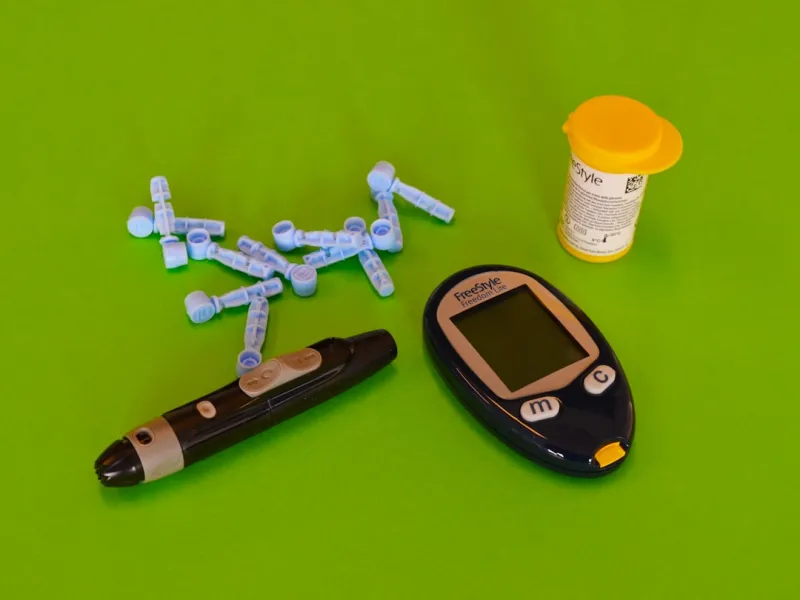
- Measure fasting glucose every Sunday morning (a quick finger prick or home glucometer).
- Log meals and activity using a free app—note the time, macronutrient breakdown, and how you felt afterward.
- Reflect on patterns: Did a late‑night snack cause a higher fasting reading? Did a brisk walk after dinner improve the next morning’s number?
By turning abstract lab numbers into tangible cause‑and‑effect relationships, you empower yourself to make iterative adjustments rather than feeling stuck under a static diagnosis.
Beyond Food: Stress, Sleep, and Social Support
While nutrition and movement are the most visible levers, three hidden factors can derail even the best‑planned regimen:
Stress Management
Elevated cortisol spikes insulin resistance. Incorporate micro‑stress‑relief techniques like 30‑second diaphragmatic breaths before checking email, or a quick “grounding” exercise when you feel a stress surge. Consistency matters more than duration.
Sleep Hygiene
Sleep deprivation reduces insulin sensitivity and spikes hunger hormones (ghrelin). Aim for a consistent bedtime, limit screen exposure an hour before sleep, and consider a short, 20‑minute power nap if you’re sleep‑deprived during the day.
Community Accountability
Sharing your goals with a trusted friend or a small group can dramatically improve adherence. I started a “Glucose Guardians” chat with three colleagues. We exchange meal photos, celebrate micro‑wins, and remind each other to move after long meetings. The social element creates a safety net that makes the journey less isolating.
Putting It All Together: My 30‑Day Prediabetes Reset
Below is the exact roadmap I followed, which you can adapt to your own lifestyle:
- Day 1‑7: Baseline & Awareness
- Log every meal, snack, and beverage.
- Take fasting glucose each morning.
- Introduce a 5‑minute post‑meal walk.
- Day 8‑14: Nutrient Timing Shift
- Move the largest carb portion to lunch.
- Implement a protein‑first breakfast (e.g., Greek yogurt + berries).
- Start the “calm corner” routine after dinner.
- Day 15‑21: Environment Overhaul
- Clear snack‑free countertop.
- Set hourly movement prompts.
- Upgrade bedroom lighting to a warm hue for better melatonin production.
- Day 22‑30: Fine‑Tuning & Social Integration
- Join a peer‑support group (online or in‑person).
- Experiment with a 10‑minute strength circuit twice a week.
- Review glucose trends and adjust meal timing as needed.
At the end of the month, I saw my fasting glucose dip by 12 mg/dL and felt more energetic throughout the day. The numbers are encouraging, but the real victory was the newfound confidence that I could influence my own metabolic destiny.
Looking Ahead: The Long‑Term Vision
Prediabetes is a checkpoint, not a destination. The habits you build now lay the groundwork for decades of metabolic resilience. As you continue refining your micro‑momentum, nutrient timing, and environment, remember that the goal isn’t perfection—it’s progressive, sustainable improvement.
Take a breath, celebrate each small win, and keep the conversation going—whether through a supportive community, a health‑focused blog, or a quick chat with your physician. Your body is sending you a message; you now have the toolkit to respond with intention.

Kelly Reynolds is a dynamic freelance writer hailing from the picturesque landscapes of Alberta. A master of the written word, she juggles her passion for storytelling with the exhilarating chaos of being a mother to five spirited children. With an impressive portfolio that spans various genres, Kelly captivates readers through her engaging blog posts and thought-provoking articles.
Related Posts

Community Challenges: Turning Prediabetes Data into Collective Momentum
A data‑rich but isolated approach often stalls prediabetes management. This post shows how a struc... Read More

The Silent Saboteur: How Workplace Culture Fuels Prediabetes and What You Can Do
A deep dive into how stress, sedentary work, and digital overload create hidden metabolic risks, wit... Read More
Turning Prediabetes Around: A Holistic Journey to Balance
A candid, holistic guide from personal experience on reversing prediabetes through mindful eating, b... Read More
Top Posts

Unlocking Brain Plasticity Through Intermittent Novelty
Intermittent novelty—deliberate, spaced bursts of new experiences—acts like high‑intensity interval training for the mind, stimulating dopamine, strengthe...Read More

Reclaiming Rhythm: How Small Everyday Shifts Empower Women’s Hormonal Health
This article reveals how tiny daily actions—like desk micro‑movements, mindful commuting, and simple nutrition tweaks—can harmonize hormones, improve slee...Read More

Holistic Hacks for Thriving Infants: A Modern Parent’s Guide
A dad’s fresh perspective on infant health, blending science with soul. Learn gut‑boosting foods, calming sleep rituals, and mindful feeding tips for a thri...Read More

Why Your Health Insurance Strategy Needs a Personal Data Makeover
Learn how to audit, translate, and leverage your own health metrics to negotiate better insurance premiums, tailor wellness incentives, and safeguard against hi...Read More
0 Comments
Post Comment
You will need to Login or Register to comment on this post!