
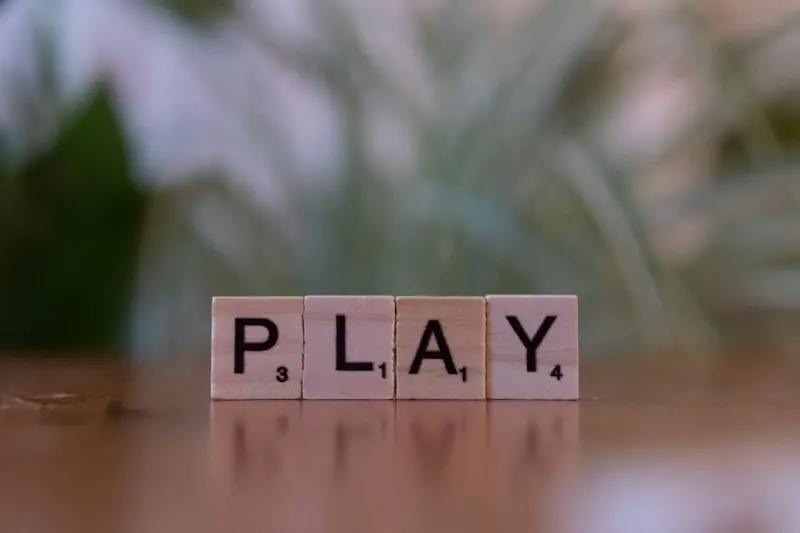
Why Playful Curiosity Fuels a Vibrant Later Life
When I first started coaching executives on performance, the conversation always turned to “what’s the next step?” The answer was usually a new skill, a tighter routine, or a sharper metric. It wasn’t until I began asking my own aging parents about the moments that made them feel truly alive that I discovered a missing piece: playful curiosity. It’s the willingness to explore, experiment, and delight in the unknown—no matter the age.
The Science Behind Curiosity and Longevity
Neuroscientists have long known that novelty triggers the release of dopamine, the brain’s “feel‑good” neurotransmitter. Dopamine doesn’t just lift mood; it also supports neuroplasticity—the brain’s ability to reorganize and form new connections. As we age, neuroplasticity naturally declines, making the brain less adaptable and more prone to cognitive sluggishness. By actively seeking new experiences, we give that system a regular workout, keeping mental pathways lit and flexible.
Beyond the brain, curiosity nudges us toward physical activity, social interaction, and healthier habits—each a cornerstone of healthy aging. When you’re intrigued by a new hobby or a fresh recipe, you’re more likely to move, to mingle, and to nourish yourself in ways that feel rewarding rather than obligatory.
Turning Curiosity Into Daily Practice
Curiosity can feel abstract, but it becomes concrete the moment you embed it into your routine. Below are three practical strategies that have helped my clients (and myself) stay mentally spry, emotionally balanced, and physically vibrant.
1. Schedule “Wonder Windows”
Just as you block time for meetings, reserve short “wonder windows”—10 to 15 minutes a day—dedicated to exploring something you know nothing about. It could be a short documentary on a distant culture, a tutorial on a musical instrument, or a deep‑dive into a scientific article. The key is consistency, not duration. Over weeks, those pockets accumulate into a rich tapestry of knowledge and joy.
2. Adopt Micro‑Movement Breaks
Physical curiosity often starts with small, intentional movements. The micro‑movement breaks that many executives use to reset focus can double as playful experiments. Try a balance pose, a gentle stretch, or a quick dance step to a favorite song. The novelty of the motion stimulates both the musculoskeletal and nervous systems, reinforcing the mind‑body connection.
3. Make Meal Timing an Exploration
Food is a universal gateway to culture and discovery. Instead of viewing meals solely as fuel, treat them as a chance to investigate new flavors, textures, and preparation methods. By aligning meals with your natural energy rhythms, you also support metabolic health—a concept explored in smart meal timing. Pairing curiosity with timing creates a feedback loop: the more you enjoy the experience, the more attuned you become to your body’s cues.
Playful Curiosity and Social Connection
Humans are social creatures, and curiosity thrives in community. When you share a newfound interest with a friend or join a group dedicated to learning—think a book club, a language exchange, or a local makerspace—you deepen bonds and reinforce accountability.
Intergenerational interactions are particularly potent. Younger people bring fresh perspectives, while older adults contribute wisdom and life experience. Engaging in joint projects—such as gardening, digital storytelling, or community theater—creates a shared sense of purpose that combats the isolation that can accompany aging.
Creative Hobbies as Longevity Labs
Creative pursuits aren’t just leisure; they’re laboratories for brain health. Activities like painting, knitting, or improvisational acting demand focus, problem‑solving, and emotional expression. Each of these components activates different neural pathways, building a more resilient brain architecture.
One client, a senior financial analyst, took up watercolor painting after a “wonder window” session sparked interest in color theory. Within months, she reported sharper concentration at work, reduced stress, and a renewed sense of confidence. Her story underscores a simple truth: creative curiosity can rewrite the narrative of aging from decline to discovery.
Integrating Curiosity Into a Holistic Aging Plan
While curiosity is a powerful driver, it works best when combined with other pillars of healthy aging—nutrition, sleep, movement, and stress management. Here’s a quick checklist to weave curiosity throughout these domains:
- Nutrition: Explore one new, nutrient‑dense ingredient each week. Track how it influences energy and mood.
- Sleep: Treat bedtime as a ritual of exploration. Try a new relaxation technique—guided imagery, gentle yoga, or a soothing soundscape.
- Movement: Alternate familiar workouts with novel ones—dance classes, tai chi, or rock climbing.
- Stress Management: Replace scrolling mindlessly with a curiosity‑driven activity, such as journaling about a topic you’re learning.
Measuring the Impact of Curiosity
Curiosity is inherently qualitative, but you can still gauge its effects with simple metrics:
- Mood Journal: Note your emotional baseline before and after a curiosity session.
- Learning Log: Record what you explored, how long, and any “aha” moments.
- Physical Feedback: Track energy levels, sleep quality, and any changes in physical performance.
Over time, patterns will emerge, revealing which types of curiosity boost your well‑being the most. Adjust your “wonder windows” accordingly.
Overcoming Barriers to Curiosity
Many people assume curiosity is a trait you’re either born with or not. In reality, it’s a skill that can be cultivated. Common obstacles include:
- Time Constraints: Start small. Even a five‑minute curiosity break can be transformative.
- Fear of Failure: Reframe mistakes as data points. Each misstep teaches you what not to do next.
- Self‑Judgment: Remember that curiosity is a sign of vitality, not frivolity.
By addressing these mental roadblocks, you create a fertile ground for lifelong learning and growth.
Connecting the Dots: Lymphatic Flow and Curiosity
Physical health and mental curiosity are more intertwined than they appear. Efficient lymphatic circulation, for instance, supports immune function and reduces inflammation—key factors in healthy aging. Engaging in playful movement—like a spontaneous game of “catch” in the park—can stimulate lymphatic flow. For deeper insight into optimizing this system, explore the guide on lymphatic flow. By pairing physical play with mental curiosity, you amplify benefits on both fronts.
Final Thoughts: A Lifelong Expedition
Healthy aging isn’t about preserving the status quo; it’s about embracing an ever‑evolving journey. Playful curiosity is the compass that points you toward new horizons, whether that’s a foreign language, a fresh recipe, or a daring adventure. When you make curiosity a daily habit, you’re not just adding years to life—you’re adding life to years.
So, the next time you feel the familiar pull of routine, ask yourself: “What’s one thing I could explore today that would make me smile?” The answer may be the spark that keeps your mind sharp, your heart open, and your body resilient for the decades ahead.

Deb Roberts is a freelancer who writes on various subjects, bringing versatility and depth to her work. Alongside her broad writing expertise, she has a special passion for horses.
Related Posts

Cultivating Longevity: How Small Daily Shifts Shape a Vibrant Later Life
A practical guide to thriving in later years, highlighting micro‑movements, lifelong learning, soc... Read More

Embracing Healthy Aging: A Holistic Journey to Longevity
A holistic perspective on aging transforms wrinkles into stories of resilience, blends nutrition wit... Read More

Why Community Volunteering Is the Secret Weapon for Healthy Aging
Volunteering provides stress‑reducing neurotransmitters, social connection, and incidental exercis... Read More
Top Posts
Beyond the Clinic: How Digital Tools Are Revolutionizing Physiotherapy
Deb Roberts shares her firsthand experience integrating tele‑physio, wearables, virtual reality, and gamified home exercises, offering practical tips for clin...Read More
Gamify Your Glucose: A Playful Path to Steady Blood Sugar for High‑Performance Professionals
Discover a data‑driven, gamified approach to blood sugar management that uses real‑time scoring, micro‑habits, and team leaderboards to boost focus, resil...Read More

Blood Sugar as a Decision Engine: Real‑Time Data for Executive Edge
Treat glucose as a live decision engine: learn to use continuous monitoring, timing of protein‑rich meals, and hydration to keep blood sugar stable, enhance f...Read More

Rethinking Body Detox: Harnessing the Lymphatic Highway and Breath
Explore a holistic detox plan that leverages the lymphatic system, breathwork, nutrition, and seasonal syncing to naturally cleanse the body and boost vitality....Read More
0 Comments
Post Comment
You will need to Login or Register to comment on this post!