
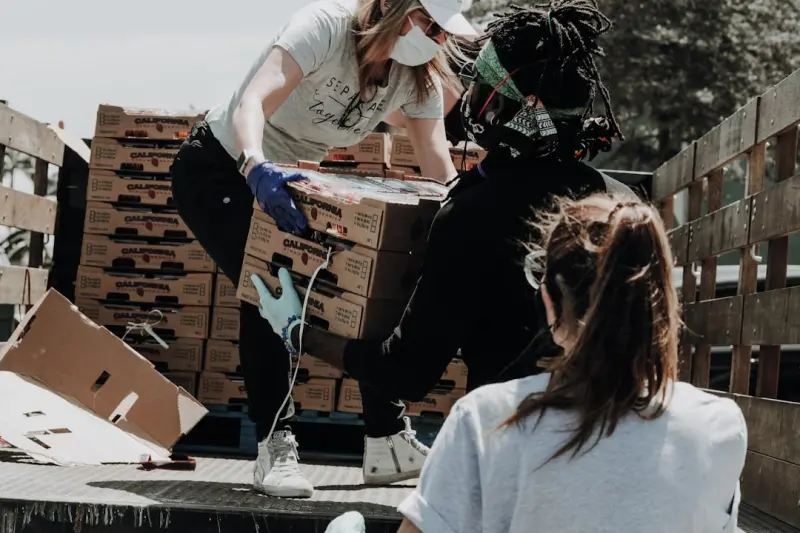
Why Community Volunteering Is the Secret Weapon for Healthy Aging
When I first stepped into a local garden‑share project at age sixty‑two, I expected to spend a few hours planting tomatoes and then head home for a quiet evening. What I didn’t anticipate was how that simple act of giving my time would become one of the most powerful catalysts for my physical, mental, and emotional well‑being. Over the past decade, I’ve watched friends, colleagues, and strangers alike discover that volunteering isn’t just a feel‑good pastime—it’s a strategic, science‑backed prescription for aging with vitality.
In a world obsessed with the next anti‑aging supplement or cutting‑edge gadget, the humble act of helping others often gets overlooked. Yet a growing body of research shows that people who engage in regular, purposeful community service enjoy lower blood pressure, stronger immune function, sharper cognition, and a richer sense of purpose. Below, I’ll unpack the mechanisms behind these benefits, share practical ways to weave volunteering into a busy life, and highlight how you can turn community involvement into a lifelong habit that supports graceful, healthy aging.
The Science Behind Service: Why Helping Others Feels Good (and Keeps You Young)
At first glance, volunteering may seem like a “soft” health intervention compared with a HIIT workout or a nutrient‑dense diet. But the body’s response to altruistic activity is anything but soft. Here are three interconnected pathways through which service fuels healthy aging:
- Stress Reduction via the “Helper’s High.” When we engage in kind acts, the brain releases a cocktail of feel‑good neurotransmitters—dopamine, oxytocin, and serotonin. This helper’s high not only lifts mood but also dampens the cortisol spikes that, over time, erode cardiovascular health and accelerate cellular aging.
- Social Connection as a Longevity Engine. Human beings are wired for belonging. Studies consistently link strong social ties to a 50 % lower risk of mortality. Volunteering creates structured, recurring interactions, turning acquaintances into genuine friends and providing the emotional scaffolding needed to navigate life’s inevitable challenges.
- Physical Activity in Disguise. Many volunteer roles—whether planting community gardens, delivering meals, or assisting at local events—require light‑to‑moderate movement. This “incidental exercise” can help maintain muscle mass, balance, and cardiovascular fitness without the intimidation of a formal gym routine.
Combine these effects, and you have a potent, low‑cost, low‑risk strategy that addresses the three pillars of healthy aging: body, mind, and spirit.
Volunteering vs. Traditional Exercise: A Complement, Not a Substitute
Let’s be clear: I’m not suggesting you replace your morning walk or strength‑training sessions with a weekly soup kitchen shift. The best outcomes emerge when volunteer work complements a balanced lifestyle. Here’s how the two intersect:
- Movement with Meaning. A 30‑minute walk around a park feels different when you’re cleaning up litter for a neighborhood clean‑up crew. The purposeful context makes the activity feel less like a chore and more like a mission, boosting adherence.
- Brain Engagement. Volunteering often involves problem‑solving, learning new skills, and adapting to unpredictable situations—mental gymnastics that keep the brain supple. This mental stimulation is a proven guard against age‑related cognitive decline.
- Emotional Resilience. Facing real‑world challenges (e.g., coordinating a fundraiser or mentoring a teenager) builds emotional flexibility that translates into better stress management in everyday life.
In short, volunteer work can be the missing link that turns a routine health plan into a holistic, joy‑filled journey.
Finding Your Niche: How to Choose the Right Volunteer Role for Your Lifestyle
One of the biggest barriers to starting a volunteer habit is the fear of committing to something that feels overwhelming or misaligned with personal interests. Below are practical steps to identify a cause that resonates with you and fits comfortably into your schedule.
- Assess Your Passions. Do you love nature, education, the arts, or health? Aligning your service with a genuine interest ensures sustained enthusiasm. For instance, if you enjoy gardening, look for community garden projects or urban‑farm initiatives.
- Consider Your Skills. Whether you’re a seasoned accountant, a budding storyteller, or a tech‑savvy retiree, there’s a niche that can benefit from your expertise. Offering your professional skill set often leads to higher impact and personal satisfaction.
- Start Small. Commit to a one‑time event or a monthly shift before signing up for a weekly schedule. This trial period helps you gauge energy demands, social dynamics, and logistical fit.
- Check Accessibility. Look for opportunities close to home or with flexible hours. Transportation and time constraints are common roadblocks; many organizations now offer virtual volunteering options that you can do from your living room.
- Seek Community. Join a volunteer network or forum where you can connect with fellow volunteers, share experiences, and discover new opportunities. The sense of belonging often amplifies the health benefits.
By taking a measured, interest‑driven approach, you’ll set the stage for a sustainable volunteering habit that feels rewarding rather than burdensome.
Case Study: How a Monthly “Music for Health” Program Boosted Blood Pressure Management
Earlier this year, I partnered with a local senior center to launch a Music for Health series—an initiative that invites volunteers to lead weekly rhythm‑based sessions. The goal was simple: combine the soothing power of music with gentle movement to help participants manage blood pressure naturally.
Over twelve weeks, participants reported a noticeable drop in systolic readings, better sleep quality, and an uplifted mood. The program’s success mirrors findings from a recent study titled music for blood pressure, which highlighted how rhythm and melody trigger parasympathetic nervous system activation, lowering heart rate and stress hormones.
What surprised me most was the ripple effect among volunteers themselves. Those who thought they were merely “helping out” discovered that leading the sessions sharpened their own cognitive agility, improved posture, and deepened their sense of purpose. It was a vivid reminder that volunteering is a two‑way street—benefiting both recipients and givers.
Volunteering and the Brain: A Natural Anti‑Aging Boost
While the healthy aging blueprint emphasizes curiosity as a catalyst for neuroplasticity, volunteering adds a social dimension that amplifies this effect. Engaging with diverse groups—children, peers, or strangers—forces the brain to adapt, learn new vocabularies, and navigate varying perspectives.
Neuroscientists have identified two key mechanisms:
- Synaptic Growth. Social interaction stimulates the release of brain‑derived neurotrophic factor (BDNF), a protein that supports synapse formation and protects neurons from age‑related decline.
- Memory Encoding. Real‑world experiences (e.g., remembering a donor’s name, coordinating a schedule) activate hippocampal pathways more robustly than passive activities like watching TV, reinforcing memory consolidation.
In practice, this means that a weekly mentoring session with high school students can be as cognitively enriching as a crossword puzzle—if not more so—because it blends emotional resonance with intellectual challenge.
Practical Tips: Turning Volunteering into a Habitual Health Ritual
Integrating volunteering into your routine is easier than you might think. Below are actionable strategies that have worked for me and many of my peers:
- Schedule It Like a Workout. Block a specific day and time on your calendar. Treat it with the same non‑negotiable mindset you apply to doctor appointments.
- Pair It with Existing Habits. If you already enjoy a morning coffee, combine it with a quick 15‑minute virtual tutoring session. The habit‑stacking principle makes new activities feel effortless.
- Track Your Impact. Keep a simple log of hours served, people helped, and personal reflections. Seeing tangible numbers can boost motivation and provide a sense of accomplishment.
- Celebrate Milestones. Treat yourself to a small reward—perhaps a new book or a nature walk—after reaching a volunteering benchmark (e.g., 50 hours).
- Invite a Friend. Volunteering with a buddy adds accountability and makes the experience more enjoyable. Plus, shared experiences strengthen social bonds, multiplying health benefits.
Overcoming Common Barriers
Even with a clear plan, obstacles can arise. Here’s how to navigate the most frequent challenges:
| Barrier | Solution |
|---|---|
| Physical Limitations | Seek low‑impact roles such as telephone counseling, administrative support, or digital advocacy. Many nonprofits welcome remote volunteers. |
| Lack of Time | Opt for micro‑volunteering tasks that take 10‑20 minutes—like proofreading a flyer or answering a quick email. |
| Uncertainty About Fit | Participate in a volunteer “open house” or short‑term project to test the waters before committing long‑term. |
| Transportation Issues | Choose neighborhood initiatives within walking distance or use ride‑share vouchers often offered by charities. |
Beyond Volunteering: The Ripple Effect on Lifestyle Choices
When you embed service into your identity, other health‑promoting choices tend to follow. For example:
- Increased mindful eating to maintain energy for service activities.
- Prioritizing sleep to ensure you’re refreshed for community engagements.
- Adopting preventive health measures (e.g., regular check‑ups) because you recognize the long‑term value of staying healthy for those you serve.
This cascade effect illustrates why volunteering can be a cornerstone of a comprehensive healthy aging strategy—it nudges you toward a virtuous cycle of self‑care and outward generosity.
Final Thoughts: A Call to Action for the Next Chapter
If you’ve ever felt that aging means slowing down, I invite you to reframe that narrative. Volunteering isn’t a concession to frailty; it’s an active, empowering choice that fuels body, mind, and spirit. By giving your time, you not only enrich your community but also invest in your own longevity.
Start small, stay consistent, and watch as the ripple of your generosity transforms both the lives you touch and the quality of your own golden years. After all, the most profound legacy we can leave isn’t just a list of achievements—it’s a living example of how to age with purpose, connection, and joy.

Jessica Hall is a dynamic freelance writer based in the vibrant city of London, Ontario. As a dedicated single mom, she expertly juggles the demands of parenthood with her passion for storytelling, crafting compelling narratives that resonate with readers. With a background in retail, Jessica brings a unique perspective to her writing, infusing her work with insights drawn from her experiences
Related Posts

Curiosity as a Longevity Engine: Why Learning Keeps You Young
Curiosity isn’t just a hobby—it’s a powerful health tool. By embracing micro‑learning, inter... Read More
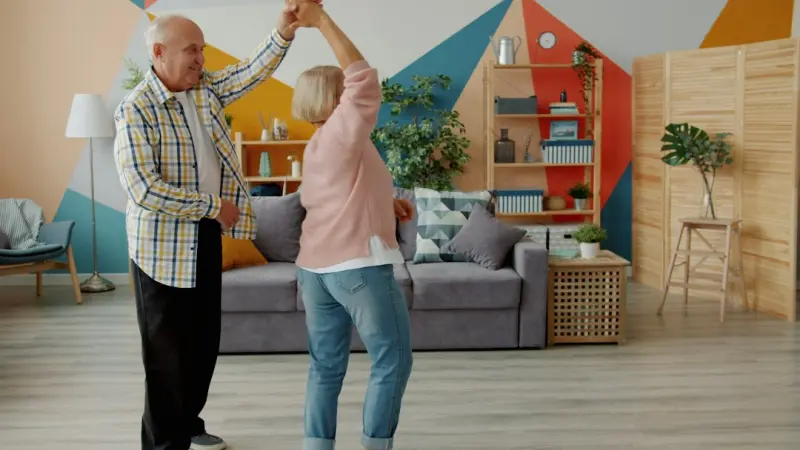
Playful Movement: Redefining Healthy Aging Through Joyful Motion
Embrace a playful approach to exercise, blending curiosity, breath, and everyday fun to enhance phys... Read More

Playful Aging: How Lighthearted Movement Rewrites the Aging Narrative
A fresh take on healthy aging, this article shows how integrating playful movement into daily life c... Read More
Top Posts

Unlocking Natural Body Detox: A Holistic Journey
A deep dive into practical, season‑aligned detox rituals, nutrient‑rich food pairings, and gentle movements that empower the body’s innate cleansing pathw...Read More
When Your Gut Whispers: Decoding Hormonal Harmony for Women
A deep dive into the gut‑hormone axis reveals how gut microbes shape menstrual cycles, mood, and perimenopausal symptoms, offering data‑driven strategies an...Read More
The Hidden Impact of Vaping on Your Oral Health and How to Protect It
Explore the often‑overlooked oral health consequences of vaping and get actionable tips to keep your smile healthy without giving up the experience....Read More

The Longevity Boost Hidden in Everyday Social Bonds
This post reveals how meaningful relationships and community involvement act as a potent longevity engine, offering science‑backed insights and actionable ste...Read More
0 Comments
Post Comment
You will need to Login or Register to comment on this post!