

When I first learned I had narcolepsy, my brain went into overdrive trying to fit this condition into the familiar narratives of “disability” and “limitation.” What I discovered instead was a surprisingly untapped reservoir of insight about how we structure work, how we honor our natural rhythms, and how a diagnosis can become a catalyst for re‑imagining productivity—not just for myself, but for any organization that values human‑centered performance.
Beyond the Diagnosis: Narcolepsy as a Lens on Human Energy
Most conversations about narcolepsy focus on the obvious symptoms—excessive daytime sleepiness, cataplexy, sleep paralysis, and vivid hypnagogic hallucinations. While these are real and can be challenging, they are only the tip of the iceberg. What’s less discussed is how the condition constantly surfaces the fact that our brains are wired for cycles of alertness and rest, cycles that modern 9‑to‑5 cultures routinely flatten.
Think of your day as a musical composition. In a traditional office, the score is written in a single, relentless tempo. Narcolepsy forces you to hear the rests between the notes, and those rests—when respected—create space for improvisation, unexpected harmonies, and moments of brilliance that a monotone rhythm would crush.
The Remote Work Revolution Meets Narcolepsy
When the pandemic pushed millions of employees into remote settings, companies suddenly realized that the office wall was not the only barrier to productivity. Suddenly, “flex time” became a buzzword, and managers were asked to trust output over presence. For someone with narcolepsy, this shift was nothing short of a lifeline.
Remote work allows you to:
- Place a nap‑friendly corner in a quiet room rather than a fluorescent‑lit cubicle.
- Schedule micro‑breaks that align with your natural sleep pressure.
- Leverage digital tools to signal availability without having to shout “I’m awake!” in the chat.
These adjustments are not “special accommodations” for a minority; they are experiments in human‑centric design that any forward‑thinking leader can adopt.
Designing a Nap‑Friendly Workflow
One of the most powerful shifts I made was to re‑architect my daily workflow around short, intentional sleep windows—what I call “micro‑naps.” The science is clear: a 10‑ to 20‑minute nap can boost alertness, improve memory consolidation, and even spark creative problem‑solving. The trick is to treat these naps as tasks rather than accidents.
Here’s a simple template that works for me and can be adapted for any team:
- Identify natural low‑energy windows. Use a week‑long log to spot when you consistently feel the dip—often mid‑morning or mid‑afternoon.
- Block the window. Put a “focus‑reset” block on your calendar (e.g., 10:30 am–10:45 am). Communicate it as a productivity booster, not a personal indulgence.
- Optimize the environment. Dim lights, use a white‑noise app, and set a gentle alarm. Even a quick recline in a supportive chair can make a difference.
- Document outcomes. Track how often you feel refreshed, how many tasks you complete post‑nap, and any spikes in creativity. Data helps convince skeptical stakeholders.
When you treat a nap like any other deliverable—scheduled, measured, and communicated—you remove the stigma and turn a biological need into a competitive advantage.
Tech Tools That Turn Drowsiness Into Data
Technology isn’t just a distraction; it can be a bridge between the body’s signals and the workflow’s demands. I rely on three categories of tools:
- Wearable sleep trackers. Devices that monitor heart‑rate variability and REM cycles can alert you when you’re approaching a “sleep pressure” threshold, prompting a pre‑emptive break.
- Smart calendar plugins. Extensions that automatically suggest optimal nap slots based on your meeting patterns and task urgency.
- Focus‑boost apps. Pomodoro‑style timers that incorporate a brief “reset” phase after every 90‑minute focus block, mirroring the brain’s ultradian rhythm.
When these tools feed data back into your project management system, you start to see a new metric: energy efficiency. Instead of measuring only hours logged, you can track “high‑alert hours” and align deliverables with those periods.
Reframing Energy Peaks as Creative Fuel
Most people think of energy as something to be conserved, but for many with narcolepsy, the moments of sudden clarity that follow a nap are where the magic happens. I’ve learned to capture those sparks by keeping a “brain‑dump” notebook (digital or analog) at my desk. After a micro‑nap, I write down any lingering thoughts, ideas, or solutions that surface before they fade.
This habit aligns with the concept of mental fitness. By training the mind to recognize and harvest these high‑alert moments, you develop a mental elasticity that can be applied to any high‑stakes environment—whether you’re pitching to investors or troubleshooting a critical code bug.
Building Empathy and Inclusion: The Ripple Effect
When an organization adopts nap‑friendly policies, the benefits cascade beyond those who need them. Teams notice:
- Reduced overall fatigue and burnout.
- Higher engagement during meetings—people aren’t fighting the urge to doze off.
- A culture that values physiological authenticity over relentless hustle.
These outcomes echo the lessons from the hidden power of your digestive ecosystem. Just as gut health can influence mood, focus, and immunity, respecting sleep rhythms can enhance cognitive bandwidth, emotional regulation, and resilience. In both cases, the body’s “invisible” systems become visible levers for performance.
Lessons for All Leaders
Even if you don’t have narcolepsy, the strategies I’ve embraced can sharpen your leadership toolkit:
- Listen to the data your body provides. Fatigue is a signal, not a flaw.
- Normalize pauses. Make short, intentional breaks a standard operating procedure.
- Leverage technology wisely. Use wearables and smart scheduling to align work with natural rhythms.
- Celebrate the unconventional. Treat a post‑nap insight as a legitimate contribution, just like a well‑crafted slide deck.
When leaders model these habits, they signal that performance is not about grinding 24/7 but about aligning human biology with business goals.
Actionable Checklist for a Narcolepsy‑Inspired Workplace
- Conduct a brief “energy audit” with your team: ask members to log when they feel most alert and most drowsy over a week.
- Introduce a “reset block” on the shared calendar for each team member—starting with a 15‑minute window.
- Provide resources for ergonomic nap spaces (e.g., reclining chairs, blackout curtains, or a quiet room).
- Implement a pilot of a sleep‑tracking wearable for volunteers and share aggregated insights.
- Encourage a culture of “brain‑dump” moments after any scheduled break.
- Recognize and reward ideas that emerge from these micro‑breaks during team retrospectives.
Conclusion: Turning a Challenge into a Blueprint for Human‑Centric Performance
Living with narcolepsy has taught me that the most sustainable competitive advantage comes not from forcing the body to conform to an outdated schedule, but from designing systems that honor the ebb and flow of human energy. By integrating micro‑naps, data‑driven scheduling, and a culture that celebrates physiological honesty, we unlock a hidden layer of productivity that benefits everyone.
If you’re a leader, a team member, or simply someone curious about how to work smarter—not harder—consider the narcolepsy playbook as a source of fresh ideas. The next time you feel the urge to close your eyes, ask yourself: could this be the spark that powers your next breakthrough?

Deb Roberts is a freelancer who writes on various subjects, bringing versatility and depth to her work. Alongside her broad writing expertise, she has a special passion for horses.
Related Posts

Micro‑Rest Mastery: Turning Narcolepsy into a Workplace Superpower
A fresh look at narcolepsy shows how brief, intentional micro‑rests can reset the brain, spark cre... Read More
Living with Narcolepsy: A Holistic Journey Toward Everyday Vitality
A candid, holistic guide from personal experience on navigating narcolepsy’s challenges, with acti... Read More

Navigating Narcolepsy: Strategies, Tech, and Workplace Wins
A comprehensive guide offering actionable strategies, tech recommendations, and workplace accommodat... Read More
Top Posts
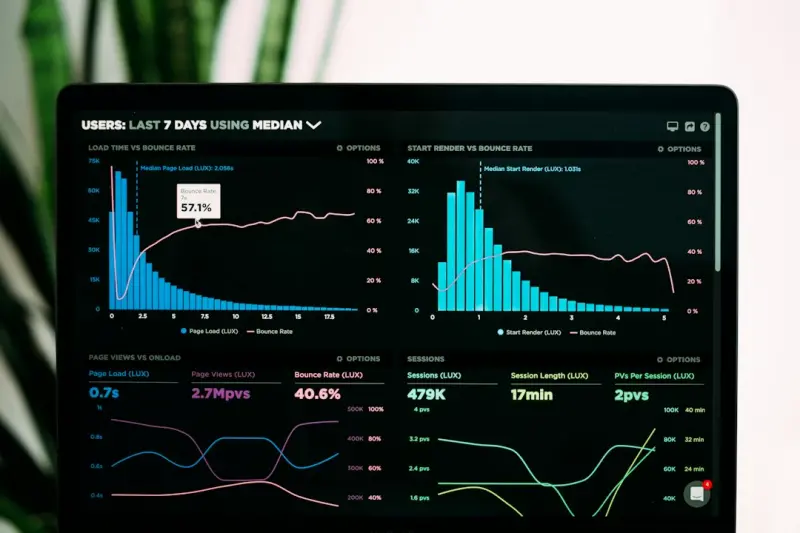
Reframing Prediabetes: A Data‑Driven, Human‑Centric Playbook
A comprehensive guide that blends continuous glucose monitoring, micro‑habits, workplace design, and preventive insurance benefits to empower individuals to r...Read More

Forest Bathing: A Natural Prescription for Immune Strength
Explore the calming power of forest bathing, learn practical steps to integrate nature walks into your routine, and see how green immersion fuels a resilient im...Read More

Beyond Toughness: Emotional Agility for Men at Work
Men often equate strength with stoicism, but emotional agility offers a powerful alternative. This guide shows practical habits, corporate strategies, and realâ...Read More
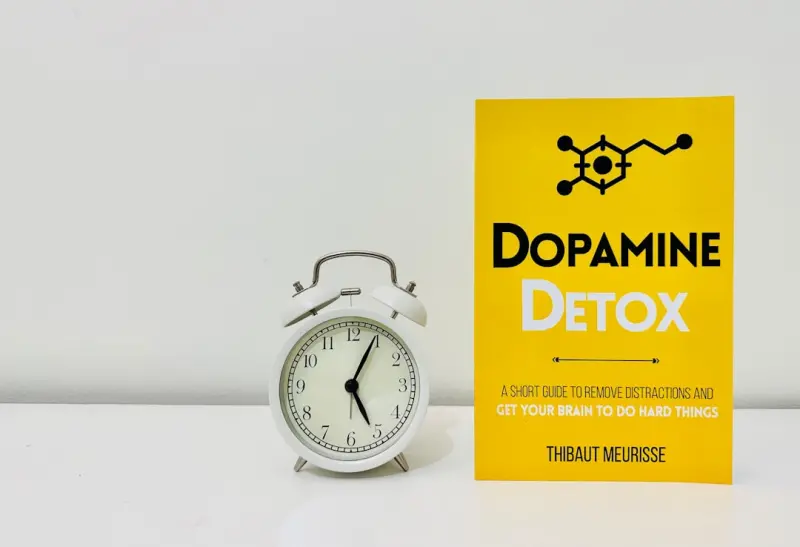
Rebooting Your Body: A Practical, Science‑Based Detox Blueprint
A pragmatic, three‑pillar approach to detox—Reduce, Support, Reset—offers sustainable habits, evidence‑based supplements, and measurable outcomes for a ...Read More
0 Comments
Post Comment
You will need to Login or Register to comment on this post!