

When it comes to women’s health, the conversation often circles around diet, exercise, and “self‑care” routines that feel generic and detached from the very real biological rhythms that shape our daily lives. The truth is, every month our bodies undergo a sophisticated hormonal choreography that influences energy, mood, cognition, and even how we respond to food and movement. By learning to read and respect this cycle, we can turn what many consider a nuisance into a strategic advantage—one that fuels productivity, reduces pain, and nurtures long‑term wellness.
Mapping the Menstrual Landscape: More Than a Calendar
Most of us are familiar with the four textbook phases—menstruation, follicular, ovulation, and luteal—but few truly understand the physiological nuances each stage brings. During the follicular phase (roughly days 1‑14), estrogen climbs, sharpening mental clarity and boosting motivation. Ovulation peaks this surge, often delivering a burst of confidence and social drive. The subsequent luteal phase (days 15‑28) sees progesterone dominate, which can mellow energy levels, heighten sensitivity, and increase cravings for comfort foods.
Rather than fighting these shifts, consider them cues. When estrogen is high, it’s an ideal window for tackling challenging projects, learning new skills, or intensifying workouts. As progesterone rises, the body naturally leans toward restorative activities—think gentle yoga, meditation, or focused recovery nutrition. Aligning your calendar with these internal signals can transform the “monthly roller‑coaster” into a predictable performance schedule.
Nutrition Tailored to Your Cycle
Food is the most immediate lever we have over hormonal balance. During the follicular phase, lean proteins, complex carbs, and abundant greens support the rise in estrogen and provide the fuel needed for high‑intensity training or mentally demanding tasks. Think quinoa bowls, salmon, and a rainbow of vegetables.
When you transition into the luteal phase, the body craves more magnesium, B‑vitamins, and healthy fats to counteract progesterone‑induced fatigue and potential mood dips. Incorporate foods like pumpkin seeds, dark leafy greens, avocado, and whole‑grain oats. A modest increase in tryptophan‑rich foods—turkey, nuts, and legumes—can also help stabilize serotonin levels, easing irritability.
For those who experience more pronounced symptoms, a gentle cycle‑friendly detox strategy can be beneficial. Rather than a full‑on cleanse, focus on short, targeted “reset weeks” where you prioritize hydration, anti‑inflammatory herbs (like turmeric and ginger), and fiber‑rich foods that support gut health—a key player in hormone metabolism.
Movement That Respects Hormonal Flow
Exercise is another powerful modulator, but the type and intensity matter. In the estrogen‑rich follicular window, you’ll likely feel stronger and more resilient; this is the perfect time to incorporate HIIT sessions, strength training, or skill‑based sports. Your body can handle greater mechanical load, and recovery periods are shorter.
Come luteal, the same intensity can feel draining. Shift toward low‑impact cardio, restorative yoga, and pelvic floor strengthening. The pelvic floor often bears the brunt of menstrual cramps and uterine contractions—strengthening it can reduce pain and improve bladder control. Simple exercises like Kegels, bridge variations, and deep diaphragmatic breathing can make a noticeable difference.
If you’re unsure how to structure this fluid approach, consider using a real‑time glucose tracking device. Blood sugar trends can reveal when your body is leaning on carbs for quick energy—a common luteal phase pattern. Adjusting your workout intensity based on these signals keeps you from over‑exerting when glycogen reserves are low.
Mental Wellness: Riding the Hormonal Wave
Hormones don’t just affect the body; they shape the brain’s chemistry. Estrogen boosts dopamine pathways, enhancing focus and creativity, while progesterone can increase GABA activity, promoting calm but also a sense of sluggishness. Recognizing these mental shifts enables smarter scheduling of tasks.
- Follicular focus: Schedule brainstorming sessions, presentations, or complex problem‑solving during days 5‑12.
- Luteal reflection: Reserve this period for planning, documentation, or relationship‑building activities that benefit from a steadier, more empathetic mindset.
Mindfulness practices, such as a five‑minute body scan or a gratitude journal, are especially effective in the luteal phase. They help counteract the subtle rise in anxiety or irritability many women report. Pair these habits with adequate sleep—aim for 7‑9 hours—to ensure hormonal clearance and mood stability.
Technology as a Cycle Companion
Modern wearables have evolved far beyond step counters. Many now integrate menstrual tracking, basal body temperature, and hormonal analytics. By logging symptoms, mood, and physical performance, you create a data set that can predict upcoming phase changes with surprising accuracy.
Couple this with optimizing your environment for each phase. For example, during the high‑energy follicular days, bright lighting and a clutter‑free desk can amplify focus. In the luteal window, dimmer, warmer tones and a few calming scents (lavender, chamomile) help nurture the body’s natural inclination toward rest.
Creating a Supportive Ecosystem
Beyond personal habits, community and professional support play a critical role. Open conversations with partners, friends, or coworkers about cyclical needs can reduce misunderstandings and foster flexibility in work schedules. Consider proposing “cycle‑aware” policies at your workplace—options like flexible start times or the ability to shift high‑intensity meetings to early‑week, follicular days.
Healthcare providers are also becoming more attuned to the benefits of cycle‑synchronised care. Ask your clinician about hormone‑balanced supplement protocols (e.g., magnesium glycinate, vitamin D) and whether periodic blood work to assess estrogen, progesterone, and thyroid levels could inform personalized treatment plans.
Putting It All Together: A Sample 28‑Day Blueprint
Below is a practical, adaptable template you can tweak to fit your lifestyle. The goal isn’t rigid adherence but a flexible guide that respects your unique rhythm.
- Days 1‑5 (Menstruation): Prioritize gentle movement, hydration, iron‑rich foods (spinach, lentils), and restorative sleep.
- Days 6‑12 (Early Follicular): Introduce moderate cardio, begin strength training, focus on protein‑heavy meals, and schedule creative work.
- Days 13‑15 (Late Follicular to Ovulation): Ramp up intensity with HIIT or skill‑based activities, enjoy a colorful array of fruits and veggies, and engage in networking or public speaking.
- Days 16‑22 (Early Luteal): Shift to lower‑impact workouts, incorporate magnesium‑rich snacks, and allocate time for reflection and planning.
- Days 23‑28 (Late Luteal): Emphasize restorative yoga, deep breathing, warm baths, and wind‑down rituals. Prepare your body for the next cycle with a brief “reset” focusing on hydration and fiber.
Remember, the body is not a machine that operates on a fixed schedule; it’s a dynamic system that thrives on responsiveness. By listening, adjusting, and leveraging the science of hormonal cycles, you turn “period problems” into period power.
Final Thoughts: Embrace the Cycle, Not the Constraint
The narrative around women’s health is shifting from “manage symptoms” to “harness potential.” Your menstrual cycle is not an inconvenience—it’s a built‑in performance tracker that, when decoded, offers actionable insights into nutrition, movement, mental focus, and recovery. By integrating personalized nutrition, phase‑aligned exercise, mindful mental practices, and supportive technology, you set the stage for a healthier, more vibrant you—every day of the month.

Tammy French is a Montessori Teaching Assistant and freelance writer passionate about education, creativity, and inspiring lifelong learning through engaging content.
Related Posts

Breath as Your Quiet Ally: Harnessing Breathwork for Women’s Hormonal Harmony
Learn how diaphragmatic, box, and alternate nostril breathing can stabilize hormones, reduce stress,... Read More
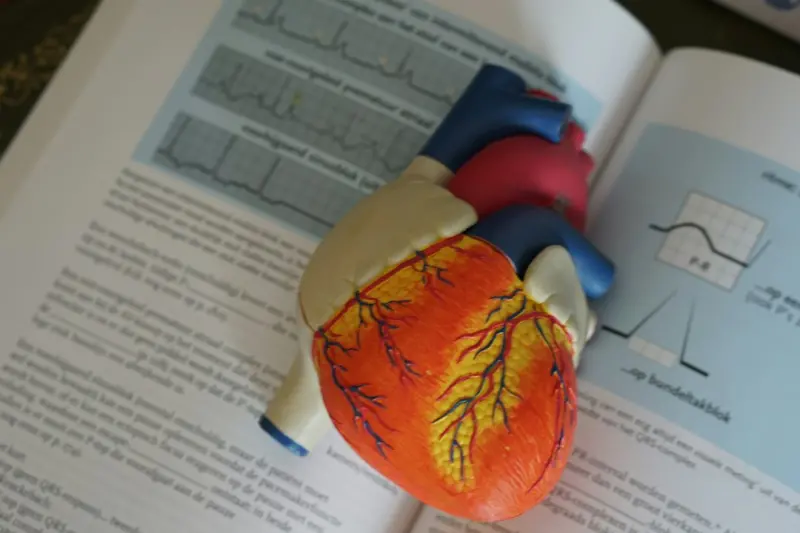
Heartbeats & Hormones: Uncovering Women’s Cardiac Health in the Modern Age
Women face unique heart health challenges often overlooked by traditional medical guidelines. This a... Read More

Unlocking Pelvic Power: How Modern Tools Empower Women’s Core Health
Pelvic health is a cornerstone of women's overall well‑being. This post dives into modern digital ... Read More
Top Posts

When Cancer Meets Narrative: How Storytelling Becomes a Healing Tool
Storytelling isn’t just art—it’s a powerful therapeutic tool for cancer patients. Learn how narrative medicine reshapes treatment, boosts resilience, and ...Read More

The Mental Health Journey During Pregnancy: A Holistic Approach
Mental health during pregnancy is a critical aspect of overall wellbeing. Learn how to prioritize self-care, manage stress and anxiety, and adopt a holistic app...Read More

The Power of Gentle Touch: Enhancing Infant Development Through Massage
A comprehensive guide to infant massage, highlighting its scientific benefits for immune, digestive, and neurological development, with step‑by‑step techniq...Read More

When the Dark Feels Like a Storm: Mastering Sleep Terrors for Peak Performance
Sleep terrors can sabotage even the most disciplined professionals. This guide reveals their hidden triggers and offers actionable nighttime routines to restore...Read More
0 Comments
Post Comment
You will need to Login or Register to comment on this post!