
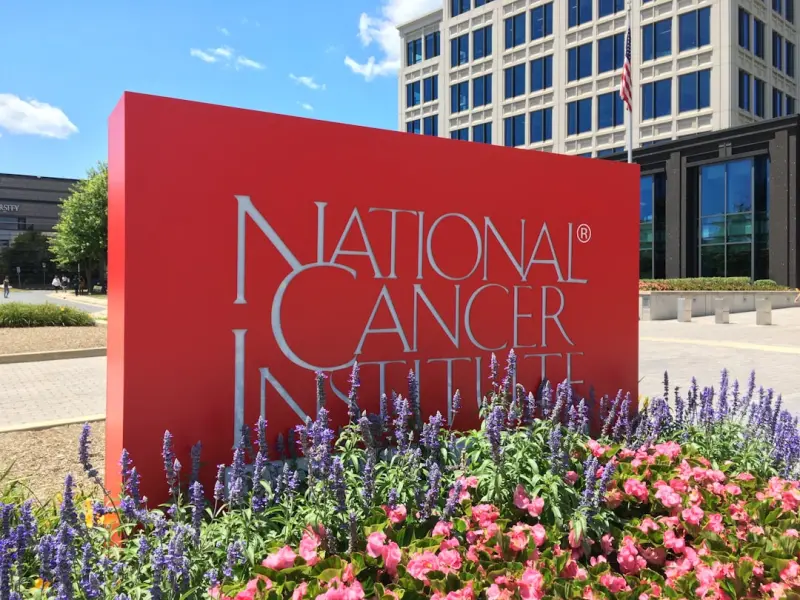
When Cancer Meets Narrative: How Storytelling Becomes a Healing Tool
When I first sat beside a friend who had just received a cancer diagnosis, I watched the silence settle like a heavy curtain. In that moment, the conversation turned not to statistics or treatment protocols, but to the story she had been living—the chapters she loved, the characters that shaped her, the plot twists she never saw coming. It struck me then that cancer is not just a medical event; it is a profound narrative interruption, and the way we rewrite that story can be as vital as any chemotherapy regimen.
Why Stories Matter in the Cancer Journey
Human beings are wired for stories. From bedtime tales to the epics we read in school, narratives help us make sense of chaos, anchor our identity, and create a roadmap for the future. When cancer enters the scene, it shatters the familiar plot, leaving patients feeling adrift. Narrative medicine—a discipline that encourages patients and clinicians to co‑create meaning through storytelling—offers a compass.
Research shows that patients who actively engage in narrative practices experience reduced anxiety, improved adherence to treatment, and a stronger sense of agency. It isn’t about replacing evidence‑based care; it’s about layering a human‑centered script onto the clinical one.
Three Ways to Weave Narrative Into Cancer Care
- Personal Journaling and Creative Writing: The simple act of putting pen to paper can transform abstract fears into concrete words. Prompted writing exercises—like “Describe the day you feel strongest” or “Imagine a conversation with your future self”—help patients reclaim ownership of their timeline.
- Shared Story Sessions: Group storytelling circles, whether in person or virtual, provide a safe space for patients to hear others’ journeys. Listening to a fellow traveler’s resilience can spark new metaphors for one’s own path.
- Clinician‑Patient Narrative Collaboration: When doctors ask, “What does this diagnosis mean for you personally?” they invite patients to become co‑authors of the treatment plan, turning a directive into a dialogue.
From Data to Narrative: Personalizing the Cancer Experience
While the medical side of oncology has made leaps with genomics and precision therapies, the personal side often lags behind. Imagine a care model that blends the rigor of genetic profiling with the fluidity of personal storytelling. A patient’s genetic markers inform treatment, while their narrative informs support services, lifestyle tweaks, and mental‑health resources.
This hybrid approach mirrors the idea of crafting your life story as a tool for health. In the context of cancer, the story becomes a living document—one that evolves as the disease does, allowing adjustments that feel authentic rather than imposed.
Storytelling as a Bridge Between Science and Soul
On the surface, science and storytelling may seem like opposite poles. Yet both seek truth: science through data, storytelling through lived experience. When these worlds intersect, they create a powerful feedback loop. For instance, a patient’s narrative may reveal subtle side effects that aren’t captured in standard surveys, prompting clinicians to tweak dosages or supportive care.
Conversely, scientific breakthroughs can inspire new story arcs. The emergence of immunotherapy, for example, can be framed as a heroic “immune army” narrative, giving patients a language of empowerment that resonates deeper than clinical jargon.
Building a Narrative Support Ecosystem
For narrative medicine to flourish, we need infrastructure—spaces, tools, and communities that nurture story‑sharing. Here are practical steps any cancer center or support organization can take:
- Create Dedicated Story Rooms: Quiet, comfortable rooms equipped with writing supplies, recording devices, and inspirational prompts encourage patients to articulate their journeys.
- Integrate Narrative Training for Clinicians: Workshops that teach active listening, reflective questioning, and the basics of narrative therapy can transform bedside conversations.
- Leverage Digital Platforms: Secure online journals, podcast series, and moderated forums allow patients to share stories across geographic boundaries, fostering a global tapestry of experience.
- Partner With Creative Arts Programs: Collaboration with local artists, musicians, and theater groups can translate patient stories into expressive works that celebrate survivorship.
Case Study: A Narrative‑Driven Survivorship Program
At a mid‑size oncology clinic in the Pacific Northwest, a pilot program called “StoryLines” paired newly diagnosed patients with trained volunteer storytellers. Participants met weekly for 45 minutes to discuss their lives, hopes, and fears. Over a six‑month period, the program recorded the following outcomes:
- 30% reduction in self‑reported depression scores.
- 22% increase in adherence to oral chemotherapy regimens.
- Patients reported a heightened sense of purpose, describing the experience as “finding my voice again.”
The success of StoryLines sparked a broader initiative: integrating narrative checkpoints into every stage of the treatment pathway, from diagnosis to post‑remission follow‑up.
Linking Narrative to Everyday Wellness Choices
Storytelling isn’t confined to the clinic. It can shape daily habits that bolster resilience. For example, framing a weekly grocery trip as “fueling my hero’s journey” may motivate a cancer survivor to choose nutrient‑dense foods. In that vein, exploring nutrient‑rich seasonal foods becomes a plot point in a larger wellness narrative.
Similarly, embracing curiosity—asking “What new skill can I learn today that aligns with my recovery?”—mirrors the concept of curiosity as a longevity engine. This mindset not only supports mental agility but also reinforces a story of continuous growth, counteracting the stagnation that cancer can impose.
Overcoming Common Barriers to Narrative Engagement
Even with compelling evidence, many patients hesitate to share their stories. Common obstacles include:
- Fear of Vulnerability: Opening up can feel risky. Offering anonymous or semi‑anonymous platforms can ease this concern.
- Lack of Time: Treatments are demanding. Embedding short, guided reflection exercises into existing appointments can make storytelling feasible.
- Cultural Stigma: Some cultures view illness as a private burden. Culturally sensitive facilitators and multilingual resources can bridge this gap.
Addressing these barriers requires a flexible approach—one that meets patients where they are, both physically and emotionally.
Measuring Narrative Impact: Metrics That Matter
To sustain narrative programs, we need clear metrics. Beyond traditional clinical outcomes, consider tracking:
- Patient‑Reported Outcome Measures (PROMs) focused on meaning, purpose, and emotional well‑being.
- Engagement Analytics: Number of stories submitted, frequency of participation, and diversity of mediums (writing, audio, video).
- Care Team Feedback: Clinician observations on communication quality and shared decision‑making.
These data points can justify funding, inform program refinement, and ultimately demonstrate that narrative medicine isn’t a “nice‑to‑have” but a “must‑have” component of comprehensive cancer care.
Looking Ahead: The Future of Narrative Oncology
As technology evolves, so does the canvas for storytelling. Virtual reality (VR) experiences that let patients “walk through” their treatment timeline, AI‑driven sentiment analysis that surfaces emotional cues from patient journals, and blockchain‑secured story archives that protect privacy while enabling research—all point to a future where narrative and technology co‑create healing pathways.
But at the heart of every innovation remains the simple truth: people thrive when they can make sense of their experiences and share them with others. By honoring the story within every cancer journey, we honor the humanity that lies beyond the disease.
Take the First Step Today
If you’re a patient, caregiver, or clinician reading this, consider a small act to start weaving narrative into your cancer experience:
- Pick a notebook or digital document and write a single paragraph describing how you feel right now, without judgment.
- Share that paragraph with a trusted friend, or post it in a supportive online community.
- Ask your care team, “What part of my story can we focus on together to guide my treatment?”
These simple steps can spark a ripple effect, turning isolated moments of fear into collective chapters of courage.

Deb Roberts is a freelancer who writes on various subjects, bringing versatility and depth to her work. Alongside her broad writing expertise, she has a special passion for horses.
Related Posts
Turning Data Into Hope: How Personal Metrics Empower Cancer Journeys
Personal health metrics give cancer patients a powerful voice in their care, enabling better treatme... Read More

Cancer at Work: Turning Diagnosis into a Catalyst for Compassionate Innovation
A forward‑looking guide on integrating cancer support into the modern workplace, featuring data‑... Read More
Turning Data into Hope: Real‑Time Analytics Redefine Cancer Care
A deep dive into the emerging world of real‑time data streams, AI-driven insights, and patient‑c... Read More
Top Posts

Breathing Business: How Untreated Sleep Apnea Undermines Executive Performance
Untreated sleep apnea erodes executive decision‑making, emotional stability, and long‑term health. This article explores the physiological impacts, business...Read More

Cycle Syncing: Aligning Lifestyle with Your Menstrual Rhythm
Learn to align workouts, nutrition, and mental rest with each phase of your menstrual cycle for lasting energy, mood balance, and holistic well‑being....Read More

The Hidden Power of Your Gut in Decision‑Making and Creativity
Discover a data‑driven gut‑health playbook that sharpens decision‑making, fuels creativity, and enhances mental stamina for busy professionals....Read More

Balancing Blood Pressure Naturally: A Holistic Guide
A comprehensive, holistic approach to managing blood pressure—integrating diet, exercise, stress control, and sleep—for lasting health and vitality....Read More
0 Comments
Post Comment
You will need to Login or Register to comment on this post!