
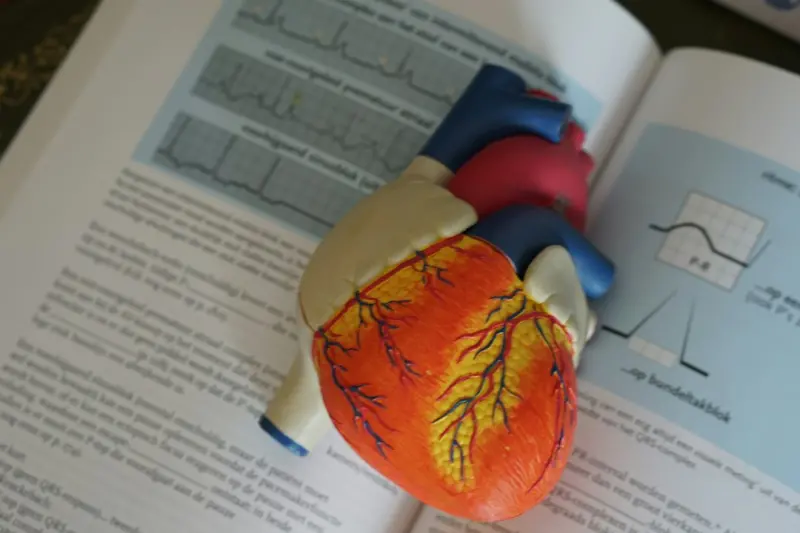
When you hear the phrase “women’s health,” the mind often jumps to topics like menstruation, pregnancy, or hormonal cosmetics. While those are undeniably important, there’s a silent, high‑stakes arena that rarely gets front‑page coverage: cardiovascular health. Women experience heart disease differently, and those differences aren’t just academic footnotes—they’re life‑saving details.
The Quiet Crisis: Why Women’s Heart Health Is Often Overlooked
Statistically, heart disease remains the leading cause of death for women worldwide, yet women are less likely to be diagnosed early or receive aggressive treatment compared to men. The reasons are layered:
- Symptom Blind Spots: Women frequently present with subtle or “atypical” symptoms—like fatigue, shortness of breath, nausea, or jaw pain—that can be dismissed as stress or indigestion.
- Research Gaps: For decades, clinical trials centered on male participants, meaning guidelines were built on data that didn’t fully represent female physiology.
- Bias in Clinical Settings: A lingering myth that “women are protected by estrogen” leads some clinicians to underestimate risk, especially before menopause.
These factors combine into a perfect storm where a woman’s heart attack can slip through the cracks, leading to delayed treatment and poorer outcomes.
Hormones and Heartbeats: The Complex Dance
Estrogen has a protective effect on blood vessels, but it’s not a permanent shield. During perimenopause and menopause, estrogen levels tumble, and the heart’s risk profile shifts dramatically. This transition period is a prime time to reassess cardiovascular health, but many women—and even some providers—don’t see it as a red‑flag moment.
Beyond estrogen, thyroid hormones, cortisol, and even the gut microbiome (yes, the same ecosystem explored in our Designing Your Gut Landscape guide) influence heart rhythm and arterial health. A thyroid imbalance can accelerate cholesterol buildup, while chronic stress elevates cortisol, nudging blood pressure upward.
Beyond the Traditional Risk Checklist
Most cardiovascular screenings focus on cholesterol, blood pressure, and smoking status. While essential, these markers miss nuances that are especially relevant for women:
- Pregnancy‑Related Complications: Conditions like gestational diabetes or preeclampsia double the risk of future heart disease.
- Autoimmune Disorders: Women are more prone to conditions like lupus and rheumatoid arthritis, both of which raise cardiovascular risk.
- Polycystic Ovary Syndrome (PCOS): PCOS is linked to insulin resistance and dyslipidemia, nudging the heart onto a faster track.
When you schedule a check‑up, ask your provider to factor these gender‑specific predictors into your risk assessment.
Actionable Steps: Building a Female‑Focused Cardiac Toolkit
Here’s a pragmatic, evidence‑backed playbook to fortify your heart health without sacrificing the things you love.
1. Tune Into Your Body’s Signals
Start a “symptom journal.” Record any episodes of unusual fatigue, shortness of breath, or chest discomfort—even if they seem minor. Over time, patterns emerge, and you’ll have concrete data to discuss with your physician.
2. Prioritize Hormone‑Smart Nutrition
While Chrono‑Nutrition emphasizes meal timing, women can add a hormone layer to the mix. Aim for:
- Omega‑3‑Rich Foods: Salmon, walnuts, and flaxseeds help lower triglycerides and support arterial flexibility.
- Phytoestrogens: Soy, lentils, and chickpeas can gently modulate estrogen activity during menopause.
- Fiber‑Heavy Choices: Whole grains, berries, and leafy greens aid cholesterol clearance.
3. Move With Purpose, Not Just Calories
Traditional cardio—running or cycling—is great, but integrating strength training 2–3 times a week boosts lean muscle mass, which in turn improves insulin sensitivity and supports a healthier lipid profile. Don’t overlook the power of “functional” movements like kettlebell swings, goblet squats, and farmer’s walks; they mimic daily tasks and strengthen the heart’s supportive musculature.
4. Manage Stress With a Female Lens
Stress isn’t genderless. Women often juggle caregiving, professional duties, and societal expectations simultaneously, leading to chronic cortisol spikes. Adopt stress‑reduction practices that resonate personally—whether that’s a weekly dance class, a guided meditation, or simply a 10‑minute “digital declutter” before bed (a tip we explored in our Digital Declutter post).
5. Sleep Like a Cardiologist Would Recommend
Quality sleep is a cornerstone of heart health. Aim for 7–9 hours of uninterrupted rest. Keep the bedroom cool, dim, and tech‑free. If you struggle with insomnia, consider a bedtime ritual that includes deep breathing, light stretching, or a calming playlist—just avoid scrolling through emails or social feeds.
6. Leverage Preventive Screenings
Ask your provider about:
- Coronary calcium scoring (especially if you have a family history of heart disease).
- Advanced lipid panels that measure LDL particle size.
- Blood pressure monitoring beyond the office—home cuffs or wearable tech can reveal masked hypertension.
7. Build a Community of Heart‑Savvy Women
Social support isn’t just emotional; it’s physiological. Studies show that women who discuss health goals with peers are more likely to stick to exercise routines and dietary changes. Consider joining a women’s heart health group, a virtual forum, or a local walking club.
The Role of Technology: From Wearables to AI‑Driven Insights
Wearable devices have matured beyond step counters. Modern smartwatches can track heart rate variability (HRV), detect arrhythmias, and even estimate blood oxygen levels. For women, these metrics can serve as early warning signs when symptoms are subtle.
Artificial intelligence (AI) is also making strides. Emerging algorithms analyze patterns in electronic health records to flag women who may be at heightened risk, prompting proactive outreach from clinicians. While still in its infancy, this tech promises to close the gender gap in cardiovascular care.
Reframing the Narrative: From “Risk” to “Resilience”
Too often, health messaging frames women’s heart health as a looming threat. A more empowering narrative positions every lifestyle tweak as a resilience‑building brick. Think of your heart as a muscle you can train, a system you can nourish, and a rhythm you can tune.
When you internalize this mindset, the daily choices—opting for a salad over a fries tray, taking the stairs instead of the elevator, pausing for a breath before a stressful meeting—become deliberate acts of self‑care rather than sacrifices.
Take the First Step Today
Pick one of the strategies above and commit to it for the next 30 days. Whether it’s logging symptoms, adding a weekly strength session, or scheduling a cardiac screening, the consistency of a single habit can spark a cascade of health benefits.
Remember, women’s health is not a single chapter—it’s an evolving book. By shining a light on heart health, we add a vital page that deserves equal attention, research, and celebration.

Brandy Miller is a dynamic freelance writer based in the vibrant city of Cambridge, Ontario. With a passion for storytelling that knows no bounds, she crafts compelling narratives that captivate and inspire. Brandy’s love for writing shines through in her versatile work, whether she’s penning thought-provoking articles or engaging content that resonates with readers. Her unique perspective and friendly tone make her a sought-after voice in the writing community. When she’s not weaving words together, you can find her exploring the beautiful landscapes of Ontario, always seeking new adventures and inspiration for her next piece. Brandy is not just a writer; she’s a creative force, making her mark one word at a time.
Related Posts
Holistic Secrets to Thrive: A Woman’s Guide to Everyday Wellness
A heartfelt guide from Tammy French on embracing holistic practices that empower women to flourish i... Read More

Perimenopause at Work: Turning the Change into a Competitive Edge
Perimenopause can affect focus, mood, and energy at work. This article explains the science behind t... Read More
Your Cycle, Your Power: Aligning Menstruation with Modern Life
Discover practical ways to align your menstrual cycle with daily habits, from workouts to nutrition,... Read More
Top Posts

Nurturing Your Liver: Everyday Practices for Long‑Term Vitality
Discover how consistent hydration, fermented foods, stress‑reduction rituals, and smart tracking can transform liver health, boosting metabolism and overall w...Read More

Listening to the Night: Turning Insomnia Into a Body’s Conversation
Insomnia isn’t just a problem—it’s a conversation. Learn practical tools like body scans, scent cues, gentle movement, and storytelling journaling to hear...Read More

The Next Wave of Physiotherapy: How Holistic Care Is Redefining Recovery
Explore how modern physiotherapy merges holistic health, wearable tech, and personalized movement plans to accelerate recovery and promote lifelong wellness....Read More
Why Your Gut Is the Secret Engine of Workplace Performance
A deep dive into how the gut microbiome directly impacts focus, decision‑making, and burnout, offering data‑backed strategies for leaders to turn gut health...Read More
0 Comments
Post Comment
You will need to Login or Register to comment on this post!