
Why Stories Matter More Than Ever in the Cancer Journey
When I first heard the word cancer whispered in my kitchen, the silence that followed felt heavier than any diagnosis. It wasn’t just the fear of the disease itself—it was the looming sense that my identity, my daily rhythm, and my future were suddenly being rewritten by a clinical script I hadn’t authored. In those moments, I discovered a surprising ally: the stories I’d been living, and the ones I could choose to tell.
Storytelling isn’t a new concept in medicine. For centuries, healers have used myths, parables, and personal anecdotes to convey hope and meaning. Yet, in today’s high‑tech, data‑driven oncology wards, narrative often gets sidelined for scans, biomarkers, and treatment algorithms. That’s where narrative medicine steps in—a disciplined practice of listening, reflecting, and co‑creating stories with patients, clinicians, and caregivers. It invites us to see beyond the tumor and into the lived experience that surrounds it.
From Passive Patient to Active Author
Traditional cancer care can feel like you’re sitting in a passenger seat while a team of specialists drives the car. You’re handed a treatment plan, a schedule of appointments, and a litany of side‑effects to monitor. The voice you once used to describe your day‑to‑day life can feel muted. Narrative medicine asks a simple but profound question: What story are you living, and how can you rewrite it?
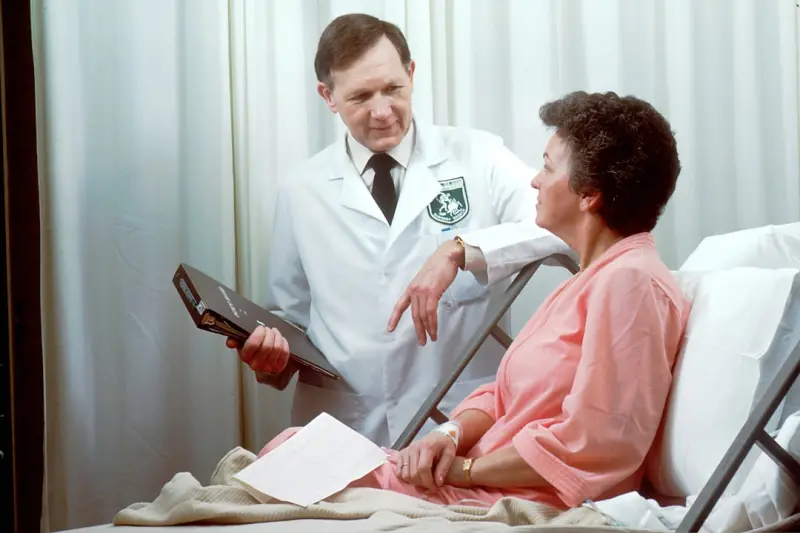
By encouraging patients to articulate their fears, hopes, and memories, clinicians gain a richer, more nuanced understanding of each individual. This isn’t about replacing medical facts with feelings; it’s about integrating them. When I sat down with my oncologist and shared a short vignette about my grandmother’s garden—how she taught me patience by tending roses—she paused, smiled, and noted that the same patience could be a cornerstone of my treatment plan. That moment shifted the dynamic: we became collaborators, not just doctor and patient.
The Science Behind Narrative Healing
Recent studies suggest that narrative engagement can modulate physiological stress responses. When patients recount their experiences, they often experience reduced cortisol levels, lower blood pressure, and improved immune function. These biological shifts, while subtle, can translate into better tolerance of chemotherapy, fewer hospital readmissions, and an overall boost in quality of life.
Moreover, storytelling activates brain regions associated with empathy and social bonding. This neural activation can foster stronger therapeutic alliances, which have been linked to higher adherence to treatment regimens. In a world where AI Peer Pods Transform Cancer Care by connecting patients virtually, the human touch of shared narratives remains irreplaceable.
Practical Ways to Weave Narrative Into Your Care
- Journaling with Purpose: Instead of a daily log of symptoms, write about moments that sparked joy or curiosity. Describe the taste of your morning coffee, a laugh with a friend, or a song that resonated during treatment.
- Story Circles: Join or create small groups where participants share personal anecdotes. These circles can be in‑person or online, but the key is a safe space for vulnerability.
- Creative Expression: Paint, compose music, or craft poetry that reflects your journey. Creative outlets can translate complex emotions into tangible forms.
- Collaborative Documentation: Work with your care team to incorporate narrative insights into your medical record. Some hospitals now have “patient story” sections alongside clinical notes.
How Narrative Medicine Strengthens Your Support Network
We often hear that a robust social circle is a “real fountain of youth.” While that phrasing appears in another post about longevity, the principle holds true for cancer survivorship. When you share your story, you invite others to respond with empathy, practical help, and shared experiences. This reciprocal exchange can transform isolated suffering into communal resilience.
For example, a friend who heard about your gardening metaphor might bring you a potted plant during a treatment session, turning a simple gesture into a powerful symbol of growth and perseverance. In turn, that act reinforces your narrative of patience and nurturance, creating a positive feedback loop.
Digital Platforms: Amplifying Voices, Not Replacing Them
Technology has democratized storytelling. Blogs, podcasts, and video diaries allow patients to broadcast their journeys to a global audience. While tools like The Hidden Levers of Longevity emphasize the value of social connections, digital platforms can extend those circles beyond geography.
However, the digital realm also brings challenges—privacy concerns, the pressure to present a “perfect” narrative, and the risk of misinformation. The key is to use technology as a conduit, not a replacement, for authentic, lived experiences. Curate your story with intention, and consider the audience you wish to reach—whether it’s family, fellow patients, or future clinicians seeking insight.
Integrating Narrative Into Clinical Practice: A Call to Providers
Oncologists and nurses, you might wonder how to incorporate storytelling without extending already packed appointments. Simple strategies can make a difference:
- Ask open‑ended questions: “What does a good day look like for you right now?”
- Allocate a “story minute”: Even five minutes dedicated to listening can uncover critical psychosocial needs.
- Partner with trained narrative facilitators: Many cancer centers now employ specialists in medical humanities to lead workshops.
When clinicians model curiosity and vulnerability, patients feel empowered to share, fostering a therapeutic partnership that benefits both parties.
The Healing Ripple Effect
Stories travel. Your narrative can become a beacon for others navigating similar paths. When you articulate your struggle and triumph, you provide a roadmap for those who feel lost in the clinical maze. This ripple effect not only supports fellow patients but also informs research, policy, and education. The collective chorus of individual stories can shift the cultural narrative around cancer—from one of fatalism to one of agency and hope.
In my own journey, the act of writing a blog post about my garden metaphor sparked conversations with strangers who found solace in the same metaphor. A young mother undergoing chemotherapy told me she now tends to a windowsill herb garden, finding peace in each sprout. That simple exchange reaffirmed my belief: when we give voice to our experiences, we cultivate a garden of shared resilience.
Moving Forward: Your Narrative as a Prescription for Wellness
Imagine a future where every oncology clinic offers a “Story Prescription” alongside medication. Patients would receive prompts, resources, and time to craft their narratives, recognizing storytelling as a vital component of holistic care. While we’re not there yet, the momentum is building, driven by patients, providers, and researchers who see the power of narrative.
If you’re standing at the crossroads of diagnosis, consider this: your story is not a side note—it’s the main chapter. By embracing narrative medicine, you claim agency, deepen connections, and potentially influence biological outcomes. The next time you sit down with your care team, bring a story with you. It might just become the most potent tool in your cancer journey.

Deb Roberts is a freelancer who writes on various subjects, bringing versatility and depth to her work. Alongside her broad writing expertise, she has a special passion for horses.
Related Posts

Living with Cancer: A Holistic Blueprint from My Journey
Deb Roberts shares her holistic cancer journey, blending mindful breathing, nutrient‑rich foods, g... Read More

Healing Spaces: How Architecture Shapes Cancer Recovery
This article examines the hidden impact of hospital architecture on cancer patients, highlighting ho... Read More
When Cancer Becomes a Catalyst for Reinvention
A cancer diagnosis can feel devastating, but reframing it as a pivot point unlocks resilience, purpo... Read More
Top Posts

Unlock Restful Nights: A Holistic Guide to Beat Insomnia
Paul Gray shares his personal battle with sleepless nights and reveals a holistic, step‑by‑step plan that turns restless evenings into tranquil, restorative...Read More

Transforming Cancer Into Narrative: A Personal Blueprint for Healing Through Story
A cancer diagnosis can feel like a dead end, but by turning the experience into a personal story, you can reclaim agency, reduce stress, and build a supportive ...Read More

Eco‑Smart Pregnancy: Sustainable Choices That Empower You
A sustainable pregnancy blends personal health with planetary stewardship. Discover how to choose eco‑friendly clothing, nourish with low‑impact foods, and ...Read More

Turning Unpredictable Sleep Into a Strength: My Narcolepsy Playbook
A personal guide that transforms narcolepsy’s sudden sleep episodes into productivity tools, blending micro‑naps, nutrition, tech, and community support for...Read More
0 Comments
Post Comment
You will need to Login or Register to comment on this post!