
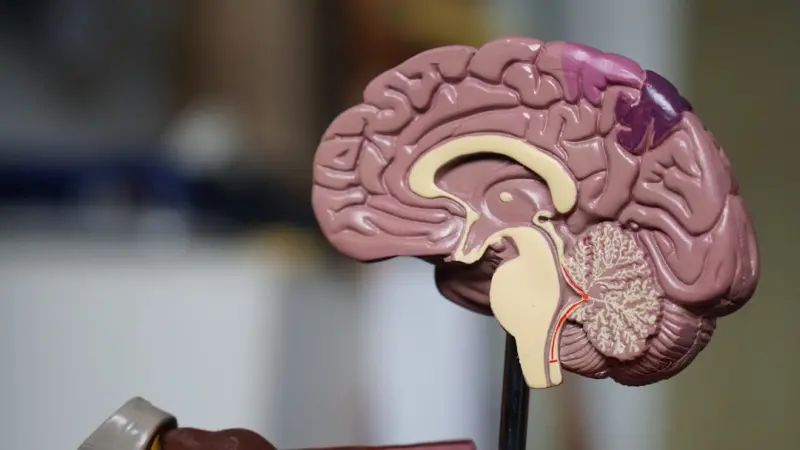
Why Turning Learning into a Game Is the Next Brain‑Health Revolution
Imagine a world where the daily grind of memorizing facts feels as effortless as scrolling through a favorite app, because each bite of information is wrapped in a challenge, a reward, and a story that your brain can’t resist; that is the promise of gamified microlearning, a method that compresses complex concepts into bite‑sized, interactive experiences designed to fire multiple neural circuits at once. Research shows that when the brain perceives an activity as playful, dopamine floods the synapse, unlocking a heightened state of focus that not only improves short‑term recall but also strengthens the very architecture of long‑term memory through repeated, low‑stress exposure. By embedding learning within a game‑like framework, you create a virtuous loop where curiosity fuels effort, effort fuels achievement, and achievement fuels deeper curiosity—an engine that powers cognitive resilience without the need for costly supplements or endless hours of rote study.
The Neuroscience of Playful Learning and Neuroplasticity
Neuroplasticity, the brain’s ability to reorganize its wiring in response to experience, thrives on novelty, repetition, and reward—all core ingredients of well‑crafted games, which is why the brain’s plastic pathways light up when you solve a puzzle or earn a badge; this activation is not merely a fleeting thrill but a biochemical cascade that reinforces synaptic connections, especially in the hippocampus and prefrontal cortex, regions critical for memory consolidation and executive function. When you engage in micro‑learning sessions that last no more than five minutes, the brain experiences a “micro‑dose” of stimulation that is sufficient to trigger long‑term potentiation without triggering the stress hormones that typically accompany marathon study sessions, allowing you to build stronger, more flexible neural networks over weeks and months. In practice, this means that a brief, game‑styled quiz on a new language term or a quick strategy‑based brain teaser can have the same, if not greater, impact on cognitive health as a traditional hour‑long lecture, provided the experience is consistently rewarding and varied.
Designing Effective Microlearning Bursts for Maximum Impact
The cornerstone of successful gamified microlearning lies in designing content that respects the brain’s attention span—usually around 10‑15 minutes for focused work, but even shorter intervals of 2‑5 minutes can be more effective when the material is presented as a challenge with immediate feedback; start by breaking a larger topic into discrete, self‑contained units that each contain a single learning objective, a clear goal, and a measurable outcome such as a score or level progression. Next, embed visual cues, sound effects, and a points system that mirrors the reward structures of popular mobile games, ensuring that each correct answer or completed level releases a small dopamine hit, reinforcing the neural pathways associated with that piece of knowledge. Finally, incorporate spaced repetition by resurfacing previously mastered concepts at increasing intervals, a technique that aligns perfectly with the brain’s natural forgetting curve and transforms simple recall into a robust, long‑lasting memory trace.
Real‑World Game Examples That Sharpen the Mind
From classic card‑matching memory games that force the brain to rapidly encode and retrieve visual information, to modern spaced‑repetition apps that turn language acquisition into a competitive leaderboard race, the spectrum of tools available for playful brain training is surprisingly diverse; for instance, a simple “pair‑find” game can improve visual‑spatial memory by demanding that you remember the location of hidden items while simultaneously filtering out irrelevant stimuli, a dual‑task that mirrors everyday multitasking demands. Another powerful example is the use of strategy‑based puzzles, such as chess‑like problems that require forward planning and pattern recognition, which have been shown to increase gray matter density in the prefrontal cortex, the area responsible for decision‑making and problem‑solving. By integrating these games into a daily routine—perhaps a five‑minute session before breakfast or a quick challenge during a coffee break—you create a habit loop that continuously stimulates the brain, making mental agility a natural by‑product of everyday life.
Seamlessly Embedding Microlearning Into Your Daily Rhythm
To reap the cognitive benefits without feeling like you’re adding another task to an already packed schedule, treat each microlearning episode as a micro‑habit: attach it to an existing cue—such as the moment you unlock your phone, the pause between meetings, or the lull before bedtime—and let the game itself become the reward, eliminating the need for external incentives; this technique mirrors the habit‑stacking approach that has proven effective for weight loss and other lifestyle changes, but with the added advantage that the brain’s reward circuitry is directly engaged, accelerating habit formation. Use the idle moments that modern life inevitably supplies—waiting for a video to load, standing in line, or riding the elevator—to launch a quick brain‑training app or a flash‑card game, turning wasted time into a powerful neuro‑enhancement session. Over weeks, these tiny bursts accumulate into hours of focused mental exercise, a cumulative dose that can protect against age‑related decline, improve processing speed, and sharpen attention, all while feeling enjoyable rather than burdensome.
Tracking Progress and Measuring Brain‑Health Gains
Just as athletes rely on metrics to gauge performance, brain‑health enthusiasts can use simple, quantifiable indicators to monitor the impact of gamified microlearning, including reaction‑time tests, short‑term memory recall scores, and even mood‑tracking surveys that capture subjective improvements in focus and motivation; many modern brain‑training platforms provide dashboards that visualize these metrics over time, offering a clear picture of how your neural efficiency evolves with consistent practice. In addition to digital analytics, consider incorporating low‑tech assessments such as the “digit‑span” test (reciting a string of numbers forward and backward) or a weekly crossword puzzle, which can serve as baseline comparisons to gauge whether your mental agility is truly improving. By regularly reviewing these data points, you can fine‑tune the difficulty level of your games, adjust the spacing of repetition, and ensure that the training remains in the optimal “challenge‑vs‑skill” zone that maximizes neuroplastic growth without causing frustration.
Synergy With Existing Brain‑Boosting Strategies
Gamified microlearning does not exist in a vacuum; it complements other evidence‑based practices such as Sensory Enrichment, which enriches the environment with varied textures, sounds, and visual stimuli to further stimulate neural pathways, and the principles outlined in Curiosity as a Catalyst, which emphasizes the role of intrinsic interest in deepening learning and emotional well‑being. By pairing short, game‑based sessions with a sensory‑rich workspace—perhaps adding a subtle scent, a tactile object, or ambient music—you amplify the brain’s receptivity to new information, creating a multi‑modal learning experience that is far more powerful than any single technique alone. Moreover, maintaining a curious mindset ensures that each microlearning challenge feels meaningful rather than mechanical, turning the process into a genuine exploration that fuels both intellectual growth and emotional satisfaction.
Common Pitfalls and How to Avoid Them
Even the most well‑designed gamified system can fall short if it becomes overly repetitive, too easy, or overly competitive, leading to boredom, plateaued gains, or even anxiety; to prevent this, regularly refresh the content pool, introduce new game mechanics, and set personalized, achievable milestones rather than relying solely on generic leaderboards that may demotivate slower learners. Another frequent mistake is neglecting the importance of recovery—just as muscles need rest after a workout, the brain benefits from intervals of low stimulation to consolidate newly formed connections, so schedule “off‑days” or lighter sessions that focus on reflection rather than active problem‑solving. Finally, resist the temptation to chase high scores at the expense of depth; prioritize mastery of concepts over sheer point accumulation, and use the game’s analytics to identify which topics need more review, ensuring that the learning remains purposeful and that the brain’s plasticity is directed toward meaningful, long‑lasting knowledge.
Take the First Playful Step Toward a Sharper Brain
If you’re ready to transform your cognitive health from a passive aspiration into an active, enjoyable practice, start by selecting a microlearning app that aligns with your interests—whether it’s language, logic puzzles, or visual memory—set a daily five‑minute reminder, and commit to the next thirty days, treating each session as a short game rather than a chore; you’ll likely notice subtle improvements in focus, recall, and even mood, proof that the brain responds enthusiastically to play when the challenge is just right. Over time, expand the repertoire of games, integrate sensory enrichment tools, and keep a simple journal of your progress, watching as the cumulative effect of these playful sessions builds a resilient neural network capable of adapting to new information and resisting age‑related decline. Embrace the notion that serious brain health can be fun, and let the gamified microlearning journey become a daily adventure that keeps your mind sharp, agile, and ever‑curious.

Tom Ferguson is a Canadian freelance writer with a passion for storytelling, current events, and thoughtful commentary. Drawing on years of writing experience, he shares engaging insights on a wide range of topics, bringing a uniquely Canadian perspective to his work.
Related Posts
Unlocking Cognitive Vitality: Playful Curiosity as the Engine for Brain Health
Discover how everyday curiosity, intentional micro‑breaks, and simple nutrition tweaks can power u... Read More
Digital Minimalism: Rebooting Your Brain in a Hyperconnected World
Learn how a purposeful digital diet can restore deep focus, improve memory, and reduce stress. Follo... Read More
Unlocking Brain Health in 2026: Holistic Strategies for a Sharper Mind
Explore 2026’s top holistic strategies—from nutrition and movement to sleep and tech—to sharpe... Read More
Top Posts

Living with Narcolepsy: Designing Workflows That Respect Your Brain’s Rhythm
A practical guide on turning narcolepsy’s challenges into workplace strengths, using wearables, strategic micro‑naps, nutrition timing, and open communicati...Read More

Micro‑Movements: Tiny Exercise Bursts Transform Your Day
Micro‑movements—brief, frequent bursts of activity—can dramatically improve energy, focus, and overall health. Learn practical ways to integrate them into...Read More

Holistic Secrets to Thrive: A Woman’s Guide to Everyday Wellness
A heartfelt guide from Tammy French on embracing holistic practices that empower women to flourish in health, energy, and confidence....Read More

Beyond Muscles: Building Emotional Strength for Modern Men
A fresh look at men's health that goes beyond physical training, exploring emotional fitness, narrative breathing, gut health, and community to build lasting re...Read More
0 Comments
Post Comment
You will need to Login or Register to comment on this post!