
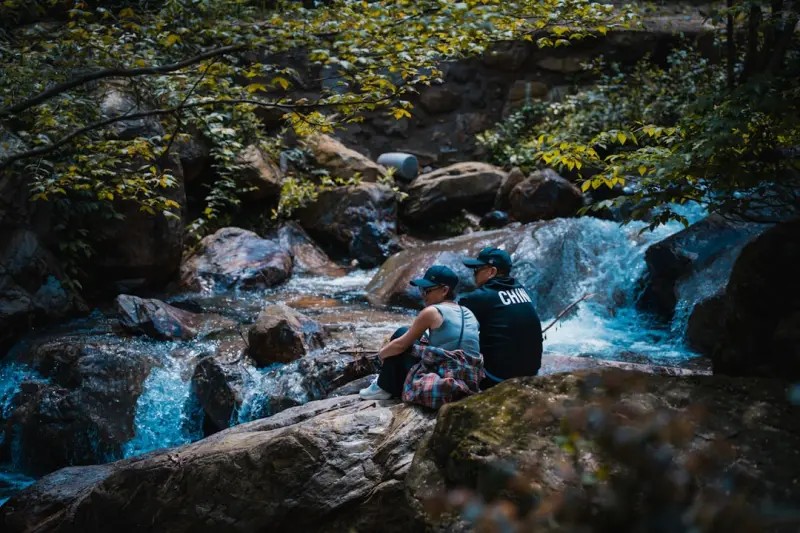
Neuroplasticity isn’t just a buzzword confined to labs; it’s a daily reality shaped by the environments we inhabit. While countless articles champion diet, sleep, and digital tools, the most powerful catalyst often lies just outside our doorstep. Immersing yourself in natural settings—whether a forest trail, a city park, or a shoreline—offers a multisensory workout that rewires neural pathways, sharpens attention, and fortifies emotional resilience. This article explores how intentional outdoor experiences can become a cornerstone of brain health, providing a fresh, nature‑centric perspective that complements the more common tech‑focused strategies.
Nature as a Neuroplasticity Engine
When you step into a wooded area, your brain is flooded with novel visual patterns, complex auditory textures, and aromatic compounds that together stimulate synaptic growth. Research shows that exposure to varied natural stimuli activates the prefrontal cortex and hippocampus, regions critical for memory formation and executive function. Unlike the repetitive monotony of indoor environments, the unpredictable richness of a forest or meadow forces the mind to adapt, strengthening the brain’s capacity to reorganize itself—a process at the heart of neuroplasticity. Over time, regular immersion can translate into measurable gains in problem‑solving speed, mood regulation, and even resistance to age‑related cognitive decline.
Forest Bathing: Science Meets Serenity
The Japanese practice of shinrin‑yoku, or forest bathing, has moved from cultural tradition to scientific study, revealing tangible benefits for brain health. A series of controlled trials found that participants who spent just two hours walking in a forest experienced a 20% reduction in cortisol levels and increased activity in the parasympathetic nervous system, indicating lower stress and heightened relaxation. Brain imaging performed after these walks showed enhanced functional connectivity between the amygdala and the anterior cingulate cortex, regions associated with emotional processing and attention regulation. Such findings suggest that the simple act of breathing in phytoncides—organic compounds released by trees—can modulate neural circuits tied to anxiety and focus.
Moving Minds: Physical Activity in Green Spaces
Exercise alone is a proven booster of brain‑derived neurotrophic factor (BDNF), but when combined with natural surroundings, the effect multiplies. Studies comparing treadmill running indoors with trail running outdoors report a 30% greater increase in BDNF levels among the latter group, alongside improved mood scores. The varied terrain of nature forces the body to engage balance, coordination, and proprioception, which in turn challenges the cerebellum and motor cortex. This synergistic stimulus not only promotes cardiovascular health but also cultivates a more adaptable, resilient brain architecture.
Sensory Richness: The Full‑Spectrum Brain Workout
Natural environments engage all five senses simultaneously, providing a holistic sensory diet that indoor settings rarely match. The rustle of leaves, the distant call of birds, the earthy scent of moss, the dappled light filtering through canopy, and the tactile feedback of uneven ground each activate distinct neural pathways. This sensory overload encourages the brain to practice integration, a skill vital for complex cognition. Incorporating a brief “sensory scan” during a walk—consciously noting each auditory, visual, and olfactory cue—has been shown to improve mindfulness scores and strengthen the default mode network, a brain system linked to creativity and self‑reflection.
Social Synergy: Shared Nature Experiences
Human brains are wired for connection, and communal outdoor activities amplify the cognitive benefits of solitary nature exposure. Group hikes, guided bird‑watching, or community garden projects create opportunities for social learning, cooperative problem‑solving, and shared emotional regulation. Neuroimaging research indicates that social interaction in natural settings boosts oxytocin release, which in turn enhances trust and reduces perceived stress. The combined effect of social bonding and environmental stimulation can lead to higher levels of neurogenesis in the hippocampus, supporting memory consolidation and mood stability.
Designing Your Weekly Nature Dose
Consistency is key; aim for at least three 30‑minute sessions of nature immersion each week. Start with easily accessible options—a morning stroll through a local park, lunchtime meditation on a rooftop garden, or an evening bike ride along a river trail. To maximize benefits, vary the locations and activities: alternate between forest trails, coastal walks, and open fields. Keep a simple log noting the weather, duration, and subjective mental state afterward; over time, patterns will emerge that help you fine‑tune the optimal dose for your brain.
Urban Solutions: Bringing Nature Indoors
For city dwellers constrained by limited green space, creative workarounds can still deliver neural gains. Incorporate houseplants with high phytoncide output, such as peace lilies or snake plants, to introduce subtle aromatic cues. Set up a “mini‑forest” corner with a collection of potted trees, natural textures, and a small water feature to mimic the auditory backdrop of a stream. Even virtual reality nature experiences, when used mindfully, can trigger similar physiological responses as real‑world exposure, though they should complement rather than replace actual outdoor time.
Tech‑Enhanced Nature Practices
While the focus here is on stepping away from screens, technology can serve as a gentle guide. Apps that track sunlight exposure, suggest nearby trails, or provide guided auditory meditations with natural soundscapes can help you stay accountable. For deeper insight, consult the holistic brain health guide, which outlines evidence‑based practices that integrate nature with nutrition and sleep. Pairing these digital tools with real‑world immersion creates a balanced approach that leverages the strengths of both realms.
Putting It All Together: A Call to Action
Reclaiming the outdoors as a daily brain‑boosting habit doesn’t require drastic lifestyle overhauls—just intentional moments of presence amid the trees, water, and wind. By weaving nature into your weekly routine, you tap into a powerful, evolutionarily tuned system that enhances neuroplasticity, reduces stress, and sharpens cognition. To deepen your journey, explore the brain‑boosting strategies already covered on this site, and consider how the natural world can serve as the missing piece in your holistic health puzzle. Your brain, body, and spirit will thank you for every step taken under the open sky.

Craig Brett is a freelancer with a passion for the outdoors. His love for nature inspires his work, bringing authentic and engaging perspectives to projects related to outdoor activities, adventure, and environmental topics.
Related Posts

Brain Fitness for the Modern Executive: Micro‑Neurotraining in the Workday
A concise overview.... Read More

Micro‑Moments: Harnessing Tiny Brain Boosts for Lasting Clarity
Learn how tiny, intentional breaks, sensory adjustments, and breathwork can transform your brain’s... Read More
Unlocking Peak Brain Health: A Holistic Blueprint for Mental Clarity
A practical, holistic guide reveals how nutrition, mindful movement, sleep, and social connection wo... Read More
Top Posts

Breathing Easy on the Road: Managing Sleep Apnea as a Digital Nomad
Learn how to travel with sleep apnea—gear, time‑zone hacks, accommodation tips, nutrition, wearables, and routines—to stay healthy and productive on the r...Read More

The Packaging Paradox: How Modern Wrappers Undermine Your Gut Health
Modern food packaging introduces chemicals that destabilize the gut microbiome, leading to inflammation and metabolic issues. This article uncovers the hidden r...Read More
Conducting Your Autoimmune Health: The Power of Everyday Choices
A deep dive into how everyday habits—nutrition, sleep, stress handling, community, and technology—can harmonize the immune system, offering actionable steps...Read More

Holistic Health Hacks Every Woman Needs in 2024
Sarah Gray shares a comprehensive, holistic roadmap for women’s health in 2024, covering nutrition, mindset, movement, and sleep for lasting wellness....Read More
0 Comments
Post Comment
You will need to Login or Register to comment on this post!