

Rewiring Your Brain on the Clock: Micro‑Neurotraining for High‑Pressure Professionals
When the inbox is overflowing, the boardroom is humming, and the next deadline looms, most executives instinctively reach for caffeine, a quick email, or a power nap. What they rarely consider is that the brain itself can be trained—in the very moments you’re already living. Think of it as a high‑intensity interval workout, but for neurons. The premise is simple: short, intentional cognitive bursts woven throughout the day can sharpen focus, boost memory, and fortify emotional resilience without demanding a massive time commitment.
Why Micro‑Neurotraining Works
The brain is a remarkably plastic organ. Neuroplasticity—the ability of neural pathways to reorganize in response to experience—doesn’t require hours of meditation or weeks of puzzle‑solving. Research shows that even a 30‑second challenge can trigger the release of dopamine and norepinephrine, chemicals that heighten alertness and improve synaptic efficiency. When you repeat these micro‑stimuli regularly, you’re essentially performing “weight‑lifting” for your prefrontal cortex, the region responsible for decision‑making, planning, and self‑control.
For the data‑driven executive, this is a compelling proposition: measurable improvements in cognition with minimal disruption to workflow. Below, I’ll break down a toolbox of evidence‑backed techniques you can embed into meetings, commutes, and even bathroom breaks.
The Core Pillars of a Micro‑Neurotraining Regimen
- Focused Attention Drills – Short bursts of single‑task focus to counteract the brain’s natural tendency toward “attention‑switching fatigue.”
- Pattern‑Recognition Challenges – Rapid visual or auditory puzzles that stimulate the parietal and occipital lobes.
- Memory Refreshers – Quick recall exercises that engage hippocampal circuits.
- Emotional Reset Moments – Brief mindfulness or gratitude prompts that regulate the amygdala’s stress response.
1. Focused Attention Drills: The 30‑Second “One‑Thing” Rule
Start by designating a single, high‑impact task and giving it your undivided attention for exactly 30 seconds. No email alerts, no Slack pings, no peripheral scrolling. Set a timer on your phone or smartwatch, and when the alarm sounds, note how many sub‑tasks you completed.
Why 30 seconds? Cognitive science tells us that the brain’s default mode network—the background hum that kicks in when we’re idle—reappears after roughly 30–45 seconds of task disengagement. By resetting the timer, you keep the brain in “task‑positive” mode, reinforcing the neural pathways associated with sustained concentration.
2. Pattern‑Recognition Challenges: Visual “Speed‑Cards”
Carry a small deck of 20–30 cards with abstract shapes or numbers on them. Every time you step into a conference room, shuffle the deck, lay the cards face‑up, and give yourself 45 seconds to identify any repeating patterns or sequences.
This quick exercise forces the brain’s visual cortex to perform rapid classification, a skill directly transferable to data analysis and strategic forecasting. If you prefer a digital version, apps that flash a series of symbols at 500‑millisecond intervals can serve the same purpose.
3. Memory Refreshers: The “Two‑Minute Recall”
Before you wrap up a meeting, spend two minutes jotting down the three most critical takeaways, then close your eyes and recite them aloud from memory. The act of encoding information, retrieving it, and verbalizing it strengthens the hippocampal‑cortical loop, improving both short‑term retention and long‑term recall.
For an added twist, pair this with the gut‑brain connection insight: a balanced microbiome supports neurogenesis, so a quick probiotic snack before your recall session can amplify the effect.
4. Emotional Reset Moments: Gratitude Micro‑Journaling
Stress spikes when the amygdala perceives threats. A five‑second gratitude pause—writing or thinking of one thing you’re grateful for—activates the brain’s reward circuitry, releasing oxytocin and lowering cortisol. Place a sticky note on your monitor that reads “What’s good?” and make it a habit to glance at it before every high‑stakes call.
Integrating Micro‑Neurotraining Into Your Day
Below is a sample schedule that demonstrates how these drills can be slotted into a typical executive agenda without feeling forced:
| Time | Micro‑Neurotraining Activity |
|---|---|
| 08:00 – 08:30 | Morning commute: Pattern‑Recognition Challenge using a smartphone app. |
| 09:45 – 10:00 | Pre‑meeting: 30‑second Focused Attention Drill on the agenda. |
| 12:15 – 12:20 | Lunch break: Memory Refreshers—recall three key points from the morning’s discussions. |
| 15:30 – 15:35 | Post‑call: Gratitude pause and a quick visual Speed‑Cards session. |
| 19:00 – 19:05 | Evening wind‑down: A brief overnight brain reset routine—dim lights, a short meditation, and a note of gratitude. |
This layout shows that you can embed neuro‑training into existing rituals. The key is consistency: just as you wouldn’t skip a workout for a week and expect to stay fit, you need to repeat these micro‑bursts daily to see cumulative cognitive gains.
The Science Behind the “Micro” Approach
Two concepts underpin this method:
- Spaced Repetition – Cognitive psychologists have long championed spaced learning, where information is revisited at increasing intervals. Micro‑neurotraining mirrors this by delivering frequent, low‑dose stimuli that the brain can consolidate during rest periods.
- Metabolic Efficiency – Neurons consume a disproportionate amount of glucose when engaged. Short, intense bursts allow the brain to tap into its glycogen reserves without depleting systemic energy stores, preserving physical stamina for the rest of the day.
Measuring Impact: From Subjective Feel‑Good to Objective Metrics
Executives thrive on data. Here are three low‑effort ways to track the effectiveness of your micro‑neurotraining:
- Self‑Assessment Journals – At the end of each week, rate focus, memory clarity, and stress on a 1‑10 scale. Look for upward trends.
- Performance Benchmarks – Compare the number of decisions made, emails answered, or projects advanced before and after a month of consistent practice.
- Wearable Metrics – Modern smartwatches track HRV (heart‑rate variability), a proxy for autonomic balance. Improved HRV often correlates with reduced mental fatigue.
When you see tangible improvements, the habit becomes self‑reinforcing, turning micro‑neurotraining from a novelty into a strategic asset.
Scaling the Practice Across Teams
Neuro‑training isn’t limited to individual executives. Forward‑thinking organizations can embed these drills into corporate culture:
- Meeting Kick‑Offs – Begin each session with a 30‑second focus drill, setting a tone of intentional attention.
- Digital “Brain Break” Channels – Slack or Teams channels dedicated to daily pattern challenges foster community and friendly competition.
- Leadership Retreats – Workshops that teach the science behind micro‑neurotraining can empower managers to champion the practice.
When the entire leadership tier embraces the habit, you create a ripple effect that elevates collective cognition, reduces burnout, and drives innovation.
Potential Pitfalls and How to Avoid Them
Like any habit, micro‑neurotraining can go off‑track if not executed mindfully. Watch for these common missteps:
- Over‑Complicating the Routine – Keep each drill under one minute. Anything longer risks becoming another time‑sink.
- Neglecting Recovery – The brain needs downtime. Pair intensive drills with adequate sleep and light physical movement.
- Relying Solely on Digital Tools – While apps are convenient, analog tools (cards, paper notes) reduce screen fatigue and provide tactile stimulation.
By staying disciplined and balancing stimulation with rest, you’ll protect against mental overload while reaping the benefits of a sharper, more resilient mind.
Conclusion: A Small Investment for a Massive Cognitive Return
In an era where executive performance is measured in milliseconds and decisions can shift market trajectories, the ability to think clearly, remember accurately, and stay emotionally balanced is a competitive advantage. Micro‑neurotraining offers a pragmatic, data‑driven pathway to that advantage—no marathon sessions, no expensive brain‑training gadgets, just a handful of seconds sprinkled throughout the day.
Start small, stay consistent, and let your brain get the workout it’s been waiting for. The payoff isn’t just a sharper mind; it’s a more resilient leader ready to navigate the complexities of modern business with confidence.

Craig Brett is a freelancer with a passion for the outdoors. His love for nature inspires his work, bringing authentic and engaging perspectives to projects related to outdoor activities, adventure, and environmental topics.
Related Posts
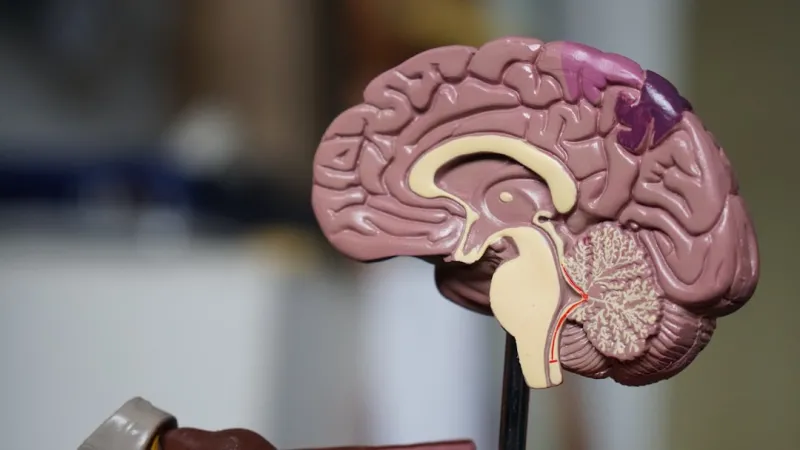
Nourish Your Mind: Holistic Strategies for Peak Brain Health
Explore practical, science‑backed strategies—from gut‑brain nutrition to mindful movement and ... Read More

Why Your Smile Is the Secret Weapon for a Sharper Mind
A fresh look at brain health reveals that maintaining good oral hygiene and healthy gums can reduce ... Read More
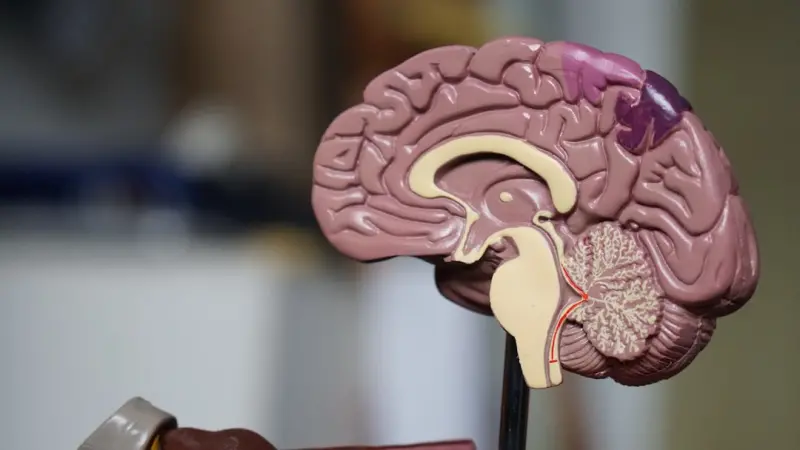
Unlocking Brain Power: The Surprising Science of Playful Learning
Explore the science behind playful learning, practical strategies to embed fun into daily routines, ... Read More
Top Posts

Embracing Digital Literacy: A Senior’s Journey to Health and Connection
A personal guide for seniors on using technology to sharpen the mind, improve health, and stay connected—step by step, safely and joyfully....Read More

Urban Design Hacks for Narcolepsy: Building Cities That Stay Awake
A fresh look at how smart lighting, quiet micro‑rest zones, and wearable integration can transform cities into supportive environments for those living with n...Read More

Reclaim Your Brainpower: Building a Memory Palace for Modern Professionals
Learn to harness spatial memory with the Memory Palace method, a science‑backed strategy that improves recall, reduces cognitive overload, and integrates seam...Read More

The Eco‑Conscious Expectant: Sustainable Choices for a Greener Pregnancy
Explore practical, sustainable choices for pregnancy, including zero‑waste baby gear, planet‑friendly nutrition, eco‑mindful tech, and community sharing, ...Read More
0 Comments
Post Comment
You will need to Login or Register to comment on this post!