
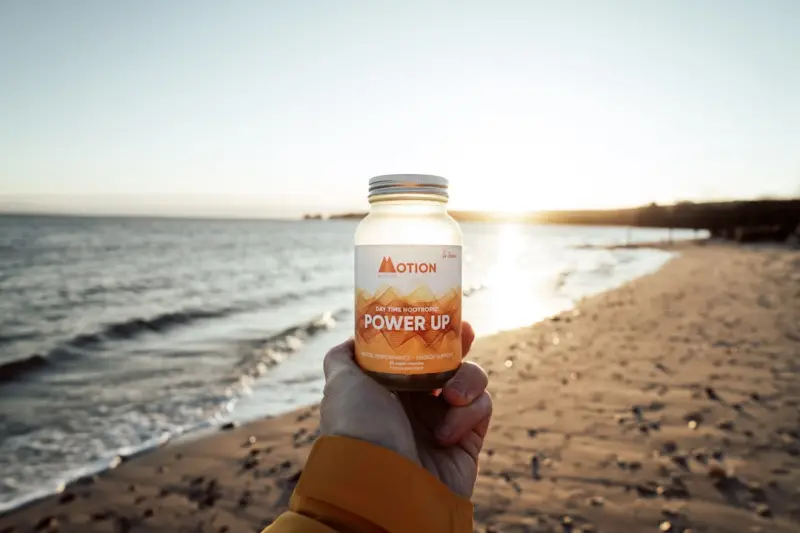
When most people think about detox, they picture juice cleanses, pricey supplements, or a week‑long fast in a silent cabin. While those methods have their merits, there’s a quieter, more accessible trio that can supercharge the body’s innate cleansing systems without a single pill: sunlight, intentional cold exposure, and conscious breathwork. This isn’t a fad; it’s a science‑backed protocol that aligns with the body’s evolutionary design, coaxing cellular repair, lymphatic flow, and metabolic balance back into peak mode.
Why Light Matters More Than You Think
Sunlight does more than boost mood. The spectrum of natural light—especially the blue‑rich wavelengths found at sunrise and sunset—triggers a cascade of hormonal and cellular events. When UVB photons strike the skin, they catalyze the synthesis of vitamin D, a hormone that modulates immune response, inflammation, and the activity of detoxifying enzymes in the liver.
But the story doesn’t end with vitamin D. Visible light, particularly in the blue range, synchronizes the suprachiasmatic nucleus (SCN), the master clock governing circadian rhythms. A well‑tuned circadian rhythm ensures that detox pathways, such as the phase‑II conjugation reactions in the liver, operate at their highest efficiency during the night while the body rests.
Practical tip: Aim for 10‑15 minutes of unfiltered morning sunlight within the first hour after waking. If you’re in a high‑latitude region during winter, consider a light therapy box that emits the full spectrum of natural daylight.
The Cold Shock: Turning the Body into a Natural Refrigerator
Cold exposure is another underappreciated ally in the detox arsenal. When you step into a cold shower or plunge into icy water, the body initiates vasoconstriction followed by rapid vasodilation once you rewarm. This “vascular pump” moves stagnant interstitial fluid into the bloodstream, where the liver and kidneys can filter out metabolic waste more effectively.
Beyond circulation, cold stimulates brown adipose tissue (BAT). Unlike its white counterpart, BAT burns fatty acids to generate heat, a process known as non‑shivering thermogenesis. This metabolic fire not only supports weight management but also accelerates the oxidation of lipid‑soluble toxins that tend to lodge in fatty tissue.
Start small: a 30‑second blast of cold water at the end of a regular shower, gradually building to two minutes. Consistency beats intensity; a daily habit will keep the mitochondrial engines humming.
Breathwork: The Silent Conveyor Belt for Lymphatic Flow
The lymphatic system, the body’s hidden drainage network, relies on rhythmic muscle contractions and diaphragmatic breathing to move lymph—a fluid packed with waste, immune cells, and cellular debris—toward the thoracic duct where it rejoins the circulatory system. Unlike the cardiovascular system, the lymphatic system lacks a central pump; it depends on your breath.
Deep, diaphragmatic breathing (also called abdominal breathing) creates negative pressure in the thoracic cavity, pulling lymph upward. When combined with gentle movements—like shoulder rolls or light stretching—the lymphatic “conveyor belt” runs smoother, reducing congestion that can manifest as chronic fatigue, brain fog, or even skin blemishes.
Try this simple routine twice a day: inhale through the nose for a count of four, allowing the belly to expand fully; pause for a beat; exhale slowly through the mouth for a count of six, feeling the belly retract. Repeat for five minutes, gradually increasing to ten.
Synergy in Action: The Triad Protocol
Individually, each of these practices offers measurable benefits. Together, they create a synergistic loop that amplifies detox capacity:
- Light sets the stage by aligning circadian rhythms, ensuring that detox enzymes peak at night.
- Cold activates circulation, delivering toxin‑laden blood to the liver when the detox enzymes are primed.
- Breathwork clears the lymph, preventing back‑up and allowing the system to handle the increased load.
Implement the protocol in a consistent order each morning: sunlight exposure, a brief cold shock, followed by a dedicated breathwork session. This sequence respects the body’s natural hierarchy—light first to set the clock, then the circulatory boost, and finally the lymphatic clearance.
What the Science Says
Recent research in chronobiology confirms that aligning environmental cues with internal clocks can reduce oxidative stress markers by up to 30%. Studies on cold thermogenesis demonstrate increased activity of the cytochrome P450 family, key players in detoxifying xenobiotics. Meanwhile, a growing body of evidence links diaphragmatic breathing with reduced levels of inflammatory cytokines, which are often elevated when detox pathways are overloaded.
For those craving deeper dives into related topics, consider exploring the gut microbiome optimization guide, which explains how a thriving bacterial ecosystem works hand‑in‑hand with liver function to neutralize toxins. Additionally, the preventive care benefits article outlines how routine screenings can catch toxin buildup before it manifests as chronic disease.
Integrating the Triad Into a Busy Lifestyle
One of the biggest barriers to adopting any health routine is time. The beauty of the sun‑cold‑breath protocol is its scalability:
- Micro‑sunlight breaks: If you can’t step outside for a full 15 minutes, open blinds and sit near a sunny window while you sip coffee. Even indirect light helps cue the SCN.
- Cold micro‑bursts: A quick 10‑second cold rinse at the end of a shower takes no extra time but delivers the vasculature benefits.
- Breath pockets: Use transition moments—waiting for a meeting to start, standing in line, or before a video call—to practice diaphragmatic breaths.
Consistency is the real magic. By embedding micro‑habits throughout the day, you create a cumulative effect that rivals more time‑intensive detox programs.
Potential Pitfalls and How to Avoid Them
While the protocol is low‑risk, a few considerations can keep you safe:
- Sun exposure: Avoid the midday peak (10 am‑4 pm) when UV radiation is strongest. Use sunscreen if you’ll be outside for longer than 15 minutes.
- Cold tolerance: Those with cardiovascular conditions should consult a healthcare professional before starting cold exposure. Start with milder temperatures and gradually increase intensity.
- Breath depth: Over‑breathing (hyperventilation) can lead to light‑headedness. Keep breaths slow, deep, and controlled.
Listen to your body. If you feel unusually fatigued or experience persistent dizziness, scale back the exposure and re‑evaluate your baseline health with a professional.
Measuring Success: Simple Biomarkers
To track progress without invasive lab work, pay attention to these everyday signals:
- Sleep quality: Improved circadian alignment should translate into faster sleep onset and deeper REM cycles.
- Skin clarity: As toxins clear, the skin often reflects a healthier complexion.
- Energy steadiness: Notice fewer mid‑day crashes and more consistent mental focus.
- Digestive ease: Reduced bloating and more regular bowel movements suggest the lymphatic and hepatic systems are functioning optimally.
For a more data‑driven approach, consider wearable devices that monitor heart rate variability (HRV). Higher HRV often correlates with better autonomic balance, a sign that your detox pathways are operating smoothly.
Putting It All Together: A Sample 7‑Day Plan
Below is a starter schedule. Feel free to adjust based on personal preferences, climate, and work commitments.
- Day 1‑2: 10 minutes of sunrise sunlight, 15‑second cold rinse, 5 minutes of diaphragmatic breathing.
- Day 3‑4: Increase sunlight to 15 minutes, extend cold exposure to 30 seconds, add a gentle neck roll after breathing.
- Day 5‑6: Incorporate a 2‑minute outdoor walk during midday (shade preferred), 1‑minute cold exposure, 7‑minute breath session.
- Day 7: Full protocol with 15 minutes of light, 2‑minute cold shower, and a 10‑minute breath‑focused meditation.
Notice the incremental build‑up—this respects your body’s adaptation curve and minimizes stress.
Final Thoughts: Your Body Is a Self‑Healing Engine
In an era where synthetic solutions dominate the wellness market, returning to elemental practices reminds us that the human body was designed to thrive in harmony with nature’s cycles. Sunlight, cold, and breath are free, timeless tools that, when used deliberately, unlock a cascade of detox benefits that can rejuvenate your mind, body, and performance.
Give this triad a try for a week. Observe the subtle shifts in energy, clarity, and overall well‑being. You might just discover that the most powerful detox regimen lives right outside your window, in a cold shower, and within the rhythm of your own breath.

Brody Lambert is an emerging freelance writer whose fresh voice and thoughtful approach are quickly making their mark. As a fairly new entrant in the world of freelance writing, Brody brings a blend of curiosity and dedication that fuels every project, crafting stories and content that resonate with authenticity and clarity.
Related Posts
Resetting Your Inner Engine: A Holistic Approach to Body Detox Beyond the Diet
A fresh, holistic detox guide that goes beyond juice cleanses, focusing on breath, lymphatic movemen... Read More

Revitalize Your Body: A Holistic Detox Blueprint
A comprehensive guide to sustainable detox, focusing on lymphatic flow, skin revitalization, balance... Read More

Detox Your Home, Detox Your Body: A Practical Guide to Cleaner Living
A practical guide reveals how everyday toxins in air, water, and household surfaces sabotage your de... Read More
Top Posts

Playful Longevity: How Structured Fun Fuels a Longer, Healthier Life
Play isn’t just a pastime—it’s a powerful longevity tool. Learn how dopamine, oxytocin, and autophagy intersect with joy, and get a step‑by‑step bluep...Read More
Fascia First: Unlocking Hidden Mobility for Desk‑Bound Professionals
Fascia, the connective tissue web, often gets ignored in workplace wellness. This article explains its impact on performance and offers practical mobility burst...Read More
Turning Health Insurance Into a Strategic Competitive Edge
Discover how to leverage preventive care, telehealth, mental health benefits, and data analytics to turn health insurance into a powerful competitive advantage ...Read More

Quiet Nights: Turning Sleep Terrors into a Path for Resilience
A personal journey reveals how environmental tweaks, strategic napping, therapy, and community support can transform night-time terror into lasting sleep resili...Read More
0 Comments
Post Comment
You will need to Login or Register to comment on this post!