
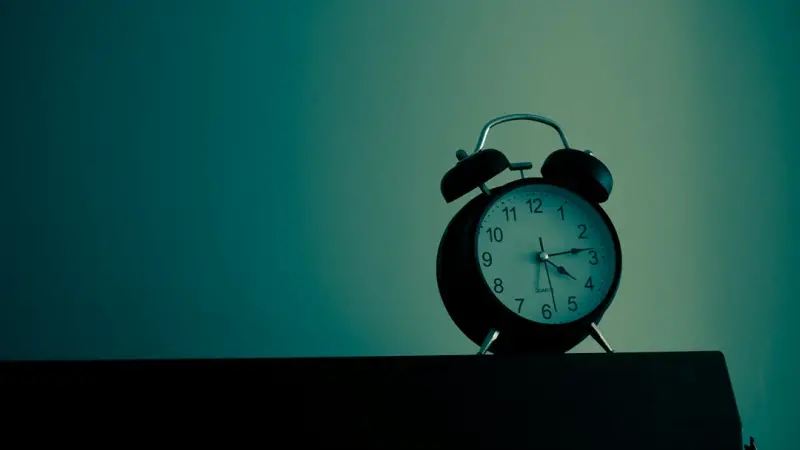
When the night refuses to fold into quiet, it feels less like a symptom and more like a rebellion—an internal committee that has collectively decided the darkness is a threat, not a sanctuary. I’ve spent enough sleepless evenings charting the cadence of my own mind to recognize a pattern: insomnia often isn’t a monolith but a mosaic of tiny mismatches between the body’s ancient timing mechanisms and the modern demands we place on them.
Why the Clock Is Ticking Against You
Our bodies are governed by a master circadian pacemaker nestled in the suprachiasmatic nucleus (SCN) of the brain. This tiny cluster of neurons keeps a 24‑hour beat that synchronizes hormone release, body temperature, and even the readiness of our immune cells. When the SCN receives consistent cues—light, activity, meals—it stays in lockstep. Disrupt those cues, and the SCN drifts, and the cascade that leads to sleep can stall midway, leaving you staring at the ceiling while the rest of the world drifts.
The Hidden Leak: Inconsistent “Day‑Blocks”
Most of us think of a “day” as the period between sunrise and sunset, but biologically we operate on day‑blocks—segments of time that the SCN uses to calibrate. If you work a 9‑to‑5 job but binge‑watch a drama series until 2 am, your day‑block is effectively split. The SCN receives a late‑night light signal, but your body temperature has already begun its natural nocturnal dip. The mismatch creates a hormonal tug‑of‑war where melatonin, cortisol, and growth hormone each try to claim dominance, and the result is a restless mind that won’t “shut down.”
Ritual Engineering: Building a Personal Sleep Cue
Instead of fighting the clock, I started treating the evening as a construction project. The goal? Design a sequence of low‑effort, high‑impact actions that scream “sleep time” to the SCN, without relying on the usual suspects—screens or supplements. Here’s the blueprint that has transformed my own insomnia into a predictable, restful rhythm.
- Light Dimming (30‑45 minutes before bed): Swap harsh LEDs for amber or red bulbs. Even a simple warm‑tone desk lamp can dramatically lower the blue‑light load, allowing melatonin to rise.
- Thermal Cue (20‑30 minutes prior): Lower the thermostat by 2‑3 °C or take a lukewarm shower. A modest drop in core temperature is a proven trigger for the body’s sleep‑onset cascade.
- Movement Reset (10‑15 minutes): Perform a series of gentle, proprioceptive movements—think “cat‑cow” stretches or a slow, seated twist. This signals the nervous system that the day’s high‑intensity activity is over.
- Auditory Buffer (5‑10 minutes): Play a consistent, low‑frequency soundscape—rain, distant waves, or a soft drone. The brain latches onto repetitive auditory patterns as a “safe” cue for sleep.
- Written Wind‑Down (2‑5 minutes): Jot down three things you accomplished today and three items you’ll tackle tomorrow. This externalizes lingering mental clutter, reducing the cognitive load that often fuels rumination.
The magic isn’t in any single step but in the predictable rhythm they create. When your SCN learns that a warm light dimming always precedes a temperature dip, which in turn is followed by a stretch and a sound, it begins to anticipate sleep, releasing melatonin proactively.
Beyond the Bedroom: Aligning Daylight Exposure
Morning light exposure is the counterbalance to evening dimming. I make it a point to step outside—no coffee shop, just plain daylight—for at least ten minutes within the first hour of waking. The bright, blue‑rich spectrum resets the SCN, sharpening alertness for the day and deepening the eventual sleep drive at night. If you can’t get outside, a full‑spectrum light box positioned 12‑inches from your face works as a surrogate.
Nutrition’s Subtle Role—Without the “Gut‑Brain” Cliché
While we’ve all heard about the gut‑brain axis, there’s a quieter nutritional nuance that influences the circadian rhythm: timing of macronutrient intake. Consuming a protein‑rich snack (think Greek yogurt with a sprinkle of nuts) about an hour before bed can boost the availability of tryptophan, the precursor to serotonin and melatonin. Conversely, large, heavy meals raise core temperature and can delay the natural cooling that signals sleep onset.
When Stress Meets the Clock
Stress hormones, particularly cortisol, follow a diurnal pattern—peaking in the early morning and tapering by night. Chronic stress flattens this curve, leaving a lingering cortisol tail that interferes with the melatonin surge. My go‑to antidote is a brief mindful breathing session (4‑7‑8 technique) immediately after the auditory buffer. This simple practice nudges the autonomic nervous system toward parasympathetic dominance, quieting the stress response without the need for meditation apps or lengthy yoga flows.
Digital Overload Isn’t the Whole Story—But It Helps
We’ve all been warned about the blue‑light hazard, yet the problem extends beyond wavelengths. The constant influx of notifications keeps the brain in a state of “ready‑to‑react,” a subtle form of hyper‑vigilance. To counter this, I employ a digital sunset: a hard cutoff for all non‑essential devices an hour before the light‑dimming phase. If you need to stay reachable, consider a mental hygiene protocol that routes alerts to a “do‑not‑disturb” mailbox, preserving the evening’s calm.
Testing the Blueprint: A 30‑Day Challenge
I recently committed to a 30‑day trial of this ritual engineering approach. The metrics were simple: time to fall asleep, total sleep duration, and subjective sleep quality (rated 1‑10). Here’s what the data looked like:
- Average sleep onset latency dropped from 38 minutes to 14 minutes.
- Total sleep time increased by an average of 1.2 hours per night.
- Subjective sleep quality rose from a 5 to an 8.5 on the 10‑point scale.
Beyond the numbers, the biggest shift was in my mental narrative around bedtime. I no longer viewed the night as a looming “battle” but as a well‑orchestrated transition—an extension of my daily productivity, not a punishment for it.
Integrating the Routine with Life’s Unpredictability
Life throws curveballs: late meetings, travel across time zones, or a sudden migraine. The beauty of a modular ritual is that you can trim or rearrange pieces without breaking the whole system. If you’re on a plane, for example, dim the cabin light, sip a warm herbal tea, and run through the movement reset in your seat. The SCN still receives enough consistent cues to signal sleep readiness, even if the environment is suboptimal.
When Insomnia Persists: Knowing When to Seek Professional Help
No ritual can replace a clinical evaluation when insomnia is chronic and paired with daytime impairment, mood disturbances, or suspected sleep apnea. If you’ve tried consistent ritual engineering for several weeks and still struggle, it’s time to consult a sleep specialist. They can run polysomnography tests, assess hormonal panels, and rule out underlying conditions that require targeted interventions.
Final Thought: Turn the Night into a Trusted Ally
Insomnia often feels like an adversary because we treat it as such—an enemy to be battled with caffeine, medication, or endless scrolling. By flipping the script and designing the evening as a predictable, soothing sequence, we invite the body’s natural clock to do what it was built to do: transition gracefully into restorative sleep. It’s less about fighting the darkness and more about lighting a path for the brain to follow.
If you’re curious about the deeper physiological connections between your gut and sleep, you might explore the gut‑brain sleep connection article. It offers fascinating insights that complement the ritual approach, especially for those whose nighttime unrest seems tied to digestion.

Brody Lambert is an emerging freelance writer whose fresh voice and thoughtful approach are quickly making their mark. As a fairly new entrant in the world of freelance writing, Brody brings a blend of curiosity and dedication that fuels every project, crafting stories and content that resonate with authenticity and clarity.
Related Posts

Rewiring Your Space: How Home Design Can End Insomnia
Learn practical, data‑backed strategies to optimize light, temperature, air quality, and sound in ... Read More
Unlocking the Night: Turning Insomnia Into a Personal Insight Engine
Insomnia isn’t just a problem to fix; it’s a signal about your mind, body, and surroundings. Dis... Read More

Reclaiming Rest: A Holistic Journey Through Insomnia
A personal, holistic roadmap to break the cycle of insomnia, featuring diet tweaks, detox guides, mi... Read More
Top Posts

How Storytelling Becomes a Healing Ally in the Cancer Journey
Personal narratives can transform the cancer experience by reducing stress, supporting gut health, and enhancing immune function. This article explains the scie...Read More

Turning Diagnosis into a Launchpad for Reinvented Life
A cancer diagnosis can become a catalyst for intentional redesign. Discover how to re‑frame the narrative, adopt micro‑habits, leverage community, and align...Read More

Gut‑First Strategies: Rebalancing Microbiome, Movement, and Mind for Autoimmune Relief
Learn how a gut‑centric approach, combined with gentle movement, seasonal foods, digital boundaries, and supportive communities, can soothe autoimmune symptom...Read More

When Performance Metrics Meet Eating Disorder Recovery
A deep‑dive into how corporate performance metrics can unintentionally fuel eating disorders—and how the same data tools can be repurposed to create a suppo...Read More
0 Comments
Post Comment
You will need to Login or Register to comment on this post!