
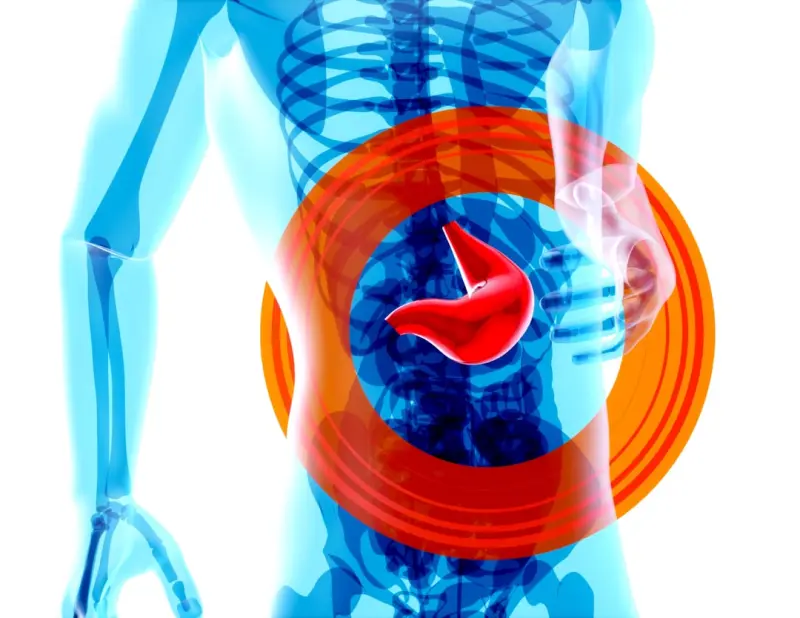
Why the Liver Deserves a Spotlight in Your Wellness Playbook
When most people think about “clean living,” the liver often sits in the background, a silent workhorse that rarely gets a standing ovation. I’ve spent years chasing performance metrics in the gym, tinkering with hormone cycles, and even diving deep into the world of digital health tools, only to discover that my own energy crashes were screaming for a healthier liver. The truth is that the liver does more than filter toxins; it orchestrates metabolism, regulates blood sugar, and even talks to your brain through a complex gut‑liver axis that most wellness guides overlook. By re‑framing the liver as a central hub rather than a side‑kick, you unlock a cascade of benefits that ripple through every system you care about—from muscle growth to mental clarity.
The Gut‑Liver Conversation: Microbiome Matters
One of the most exciting frontiers in liver health is the gut‑liver axis, a two‑way street where microbes in your intestines send biochemical messages that can either nurture or sabotage liver function. I started tracking my fiber intake after reading about how short‑chain fatty acids produced by gut bacteria act like gentle fire‑fighters, calming inflammation in the liver. The result? A noticeable reduction in post‑workout fatigue and a smoother mood swing during stressful weeks. If you’re curious about how dietary data can guide you, check out Why Food, Sleep, and Data Are the New Triad for Autoimmune Management for a deeper dive into using numbers to fine‑tune your gut‑liver partnership.
Rethinking “Detox”: Functional Testing Over Fad Cleanses
Detox diets dominate headlines, but they often ignore the liver’s innate capacity to cleanse itself when given the right nutrients and support. Instead of a week‑long juice fast, I turned to functional liver panels that measure enzymes like ALT, AST, and GGT, giving me a real‑time snapshot of hepatic stress. The data revealed a hidden pattern: my weekend binge‑eating spikes were silently overworking my liver, leading to a subtle but persistent fog in my training performance. By swapping that binge for a balanced plate rich in antioxidants—think turmeric, cruciferous veg, and omega‑3s—I watched those enzyme levels drift back into a healthy range, confirming that evidence‑based tweaks trump trendy cleanses.
Strategic Nutrition: Building a Liver‑Friendly Plate
When I design meals for optimal liver health, I think of them as fuel for a high‑performance engine rather than a punishment for indulgence. Key players include methionine‑rich foods like eggs and Brazil nuts, which support glutathione production—the liver’s master antioxidant. I also prioritize bitter greens such as dandelion and arugula, because their compounds stimulate bile flow, enhancing fat digestion and toxin elimination. Pairing these with a modest amount of healthy fats—olive oil, avocado, and fatty fish—creates a synergistic matrix that keeps the liver’s metabolic pathways humming smoothly, translating into steadier energy during long training sessions and fewer afternoon crashes.
Mind‑Body Synergy: Stress, Sleep, and Liver Resilience
Stress hormones, particularly cortisol, are notorious for hijacking liver function, diverting its resources toward gluconeogenesis and away from detoxification. I’ve experimented with mindfulness practices and found that a simple five‑minute breath‑focus routine before bed lowers my morning cortisol spike, allowing the liver to perform its nightly repair duties unimpeded. Quality sleep further amplifies this effect; during deep REM cycles, the liver ramps up growth hormone release, spurring cellular regeneration. By treating stress management and sleep hygiene as non‑negotiable pillars, you give your liver the recovery window it needs to stay resilient against everyday metabolic challenges.
Movement Matters: Exercise Prescription for Liver Health
Most fitness programs champion cardio or strength, but few address how different movement modalities uniquely benefit the liver. High‑intensity interval training (HIIT) triggers brief, intense bursts of adrenaline that temporarily increase blood flow to the liver, enhancing nutrient delivery and waste clearance. Meanwhile, steady‑state aerobic sessions boost peripheral insulin sensitivity, reducing the liver’s burden of glucose regulation. I’ve built a weekly schedule that alternates HIIT with moderate cycling, and the result is a measurable dip in fasting insulin levels—another indicator that the liver is operating more efficiently.
Environmental Toxins: Hidden Threats in Everyday Life
Beyond diet, the environment constantly bombards the liver with chemicals from plastics, household cleaners, and even air pollutants. I started swapping out common items like non‑stick pans for cast iron and choosing fragrance‑free cleaning products, noticing a gradual lift in my overall vitality. The liver’s detox pathways, especially the cytochrome P450 system, can become overwhelmed by chronic low‑level exposure, leading to subtle inflammation that undermines recovery. By auditing your living space and opting for cleaner alternatives, you reduce the invisible load on your liver, allowing it to focus on metabolic balance rather than endless toxin processing.
Leveraging Digital Health Tools for Liver Insight
Technology isn’t just for tracking steps; it can also provide granular liver insights that were once the domain of specialists. Apps that sync with home testing kits now let you monitor biomarkers like bilirubin and alkaline phosphatase from the comfort of your kitchen. I integrated one such platform into my routine, setting alerts for any out‑of‑range values, which prompted timely dietary adjustments before issues escalated. For those curious about the broader landscape of health tech, explore Digital Therapeutics: How Apps and AI Are Transforming Personal Health to see how AI‑driven recommendations can fine‑tune your liver‑centric wellness strategy.
Putting It All Together: A Liver‑First Lifestyle Blueprint
Combining the insights above yields a practical, liver‑first blueprint: start with functional testing to establish a baseline, then craft meals rich in methionine, antioxidants, and bitter greens while eliminating hidden toxins from your environment. Layer in targeted exercise—mixing HIIT with steady cardio—and protect your system with consistent stress‑reduction rituals and sleep hygiene. Finally, harness digital tools to keep a finger on the pulse of liver biomarkers, adjusting your plan in real time. By treating the liver as the central command center of health, you’ll notice sharper focus in the gym, steadier mood swings, and a resilient metabolism that supports every other goal you set.

Tom Ferguson is a Canadian freelance writer with a passion for storytelling, current events, and thoughtful commentary. Drawing on years of writing experience, he shares engaging insights on a wide range of topics, bringing a uniquely Canadian perspective to his work.
Related Posts

Unlocking Liver Longevity: Data‑Driven Steps for Everyday Resilience
A data‑driven guide outlines three everyday levers—movement, sleep, and stress management—to s... Read More
The Quiet Power of Liver Resilience: Future‑Proofing Your Metabolism
A deep dive into liver resilience reveals hidden stressors like indoor air quality and gut imbalance... Read More

Unlocking Liver Resilience: The Hidden Engine Behind Peak Performance
A data‑backed guide shows how modern stressors affect the liver and offers practical steps—timeâ... Read More
Top Posts
The Hidden Science of Muscle Memory: Building Bigger, Faster
Learn the science behind muscle memory and how to harness neuro‑muscular recruitment, metabolic stress, and strategic recovery to boost hypertrophy faster tha...Read More

Micro‑Movement Mastery: Tiny Actions, Big Weight Loss
Micro‑movement, the hidden power of tiny, intentional motions throughout the day, can dramatically enhance calorie burn, improve insulin sensitivity, and supp...Read More

Data‑Driven Compassion: Rethinking Eating Disorder Recovery
A fresh perspective on eating disorder recovery treats the condition as a feedback loop, using simple data tracking, community calibration, and proactive tools ...Read More

Why Your Health Insurance Should Be Your First Wellness Ally
Discover fresh strategies to make health insurance work for you—leveraging preventive care, telehealth, HSAs, and wellness incentives to boost health and save...Read More
0 Comments
Post Comment
You will need to Login or Register to comment on this post!