
Reimagining Your Gut as a Creative Playground
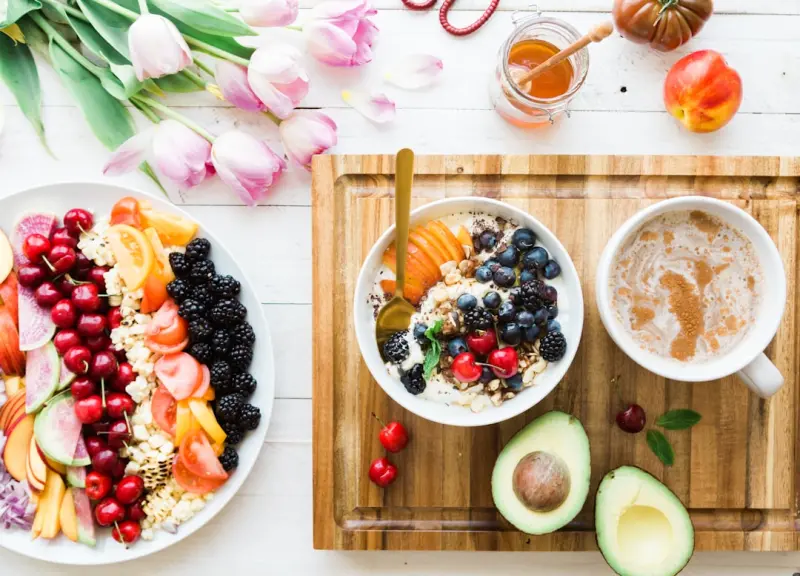
When I first heard the phrase “gut health,” I imagined a sterile laboratory, petri dishes, and a mountain of scientific jargon. Over the years, however, I’ve learned that the gut is anything but a clinical black box. It’s a bustling metropolis of microbes that thrives on curiosity, novelty, and a dash of playful experimentation. In this post, I’ll invite you to view your gastrointestinal ecosystem as a creative playground—a space where small, intentional choices can spark a cascade of beneficial changes.
Why “Play” Matters More Than You Think
Science is increasingly showing that the microbiome responds not just to what we eat, but also to how we experience food. The Flavor Chemistry piece explored how unexpected pairings unlock hidden nutrients. That same principle applies to the gut’s internal dialogue: novel combinations stimulate microbial diversity, which in turn fortifies the immune system, mood regulation, and metabolic balance.
Think of your gut like a thriving art studio. An artist never works with the same palette every day; they mix new colors, experiment with textures, and occasionally step outside the comfort zone to discover a fresh hue. Your microbiota behaves similarly. When you feed it the same bland routine, you inadvertently limit its creative potential. Introducing variety—whether through fermented foods, plant‑rich fibers, or even seasonal herbs—provides the raw material for microbial artisans to craft new metabolites that benefit your entire body.
Three Creative Strategies to Invite Microbial Innovation
Below are three actionable, imagination‑driven tactics that transform ordinary meals into opportunities for gut exploration.
- The “Flavor Expedition”: Choose a single ingredient you rarely encounter—maybe kimchi, miso, or a local herb—and build an entire dish around it. Pair it with foods that have complementary textures and flavors. This mirrors the concept from the Flavor Chemistry article, but focuses on the gut’s response to novelty.
- The “Micro‑Micro‑Moment”: Dedicate five minutes each day to a mindful chewing practice. Slow down, notice the mouthfeel, and let the oral microbiome do its part. This simple habit creates a ripple effect, signaling to gut microbes that you’re present and engaged.
- The “Seasonal Reset”: At the start of each season, purge your pantry of processed snacks and replace them with fresh produce, fermented goodies, and whole grains. This seasonal cleanse aligns with the principles discussed in Unlocking Natural Body Detox, but with a specific focus on nurturing your gut’s ecological balance.
How Curiosity Fuels Microbial Diversity
Microbial diversity isn’t just a buzzword; it’s a predictor of resilience. A diverse gut can better adapt to stressors—like a city with many different neighborhoods can absorb shocks more effectively than a monoculture town. When you introduce novel foods, you’re effectively building new “neighborhoods” for microbes to inhabit. This diversity translates into a richer production of short‑chain fatty acids (SCFAs) such as butyrate, propionate, and acetate, which are essential for maintaining the gut lining, regulating inflammation, and even influencing brain chemistry.
One study I love to reference (and which I’ll link to in future posts) showed that participants who incorporated a weekly “food adventure”—trying a new fermented or fiber‑rich dish—experienced a measurable uptick in SCFA levels within just two weeks. The takeaway? Your gut rewards curiosity, and it does so quickly.
Beyond Food: Lifestyle Elements That Spark Gut Creativity
While diet is the headline act, other lifestyle cues act as supporting musicians. Here’s how you can orchestrate a harmonious gut symphony:
- Movement: Light, regular movement like walking after meals stimulates peristalsis, helping microbes disperse nutrients more evenly.
- Stress Management: Chronic stress releases cortisol, which can alter gut permeability and microbial composition. Simple breathwork or brief meditation sessions can restore balance.
- Sleep Hygiene: The gut’s circadian rhythm syncs with your sleep cycle. Prioritizing a consistent sleep schedule keeps microbial populations in rhythm.
Notice how each element isn’t a rigid rule but an invitation to experiment. Swap a morning jog for a gentle yoga flow, or try a different bedtime ritual. Your gut will notice the change and respond in kind.
Integrating Technology Without Losing the Human Touch
In the age of wearable tech, many are tempted to track every macro, every stool consistency, every heart‑rate variation. While data can be empowering, it can also become an over‑reliance that strips away the joy of spontaneous experimentation. I recommend using tech as a gentle guide, not a master controller.
For instance, a simple gut‑health app that logs food intake can help you identify patterns, but the real insight often comes when you pause and ask, “What did I feel when I tried that new kombucha?” Pair the quantitative data with qualitative reflections—taste, mood, energy—and you’ll cultivate a more holistic picture.
Case Study: The “Micro‑Curiosity” Challenge
Six months ago, I launched a personal experiment I called the “Micro‑Curiosity Challenge.” Each week, I added one new fermented item or high‑fiber ingredient to my meals, documented the sensory experience, and noted any changes in digestion, mood, or skin clarity. Here’s a snapshot of my findings:
- Week 1 – Miso Soup: Added a savory depth; noticed a subtle increase in morning alertness.
- Week 3 – Kefir Smoothie: The tangy texture encouraged slower chewing; experienced less bloating after lunch.
- Week 5 – Dandelion Greens: A bitter note that sparked curiosity; improved regularity and a brighter complexion.
By the end of the challenge, my gut health questionnaire (a simple self‑assessment tool) showed a 30% improvement in overall comfort. More importantly, I rediscovered the pleasure of culinary exploration, which in turn made my relationship with food more playful and less restrictive.
Turning Curiosity into a Sustainable Habit
Creating lasting change doesn’t require a massive overhaul. The secret lies in micro‑adjustments—tiny, curiosity‑driven experiments that stack up over time. Here’s a three‑step framework to embed this mindset into your daily routine:
- Spot the Gap: Identify a food or habit you’ve been avoiding. Maybe it’s fermented carrots or a morning walk.
- Set a Mini‑Goal: Commit to a 10‑minute experiment—add the ingredient to one meal, try a new posture for a short walk, or swap a snack for a probiotic‑rich alternative.
- Reflect & Iterate: After the experiment, jot down what you noticed—taste, digestion, mood. Use this insight to tweak the next experiment.
Over weeks, these micro‑steps become a habit loop that continuously feeds your gut’s creative engine.
Bridging the Gap: From Gut Health to Overall Well‑Being
When your gut feels supported, you’ll notice ripple effects across your entire system. Better digestion often leads to clearer skin, steadier energy, and a calmer mind. In fact, the gut‑brain axis—a two‑way street of communication—means that a thriving microbiome can produce neurotransmitters like serotonin, directly influencing mood and cognition.
Think of your gut as a backstage crew. When it runs smoothly, the main performance—your daily life—shines brighter. By treating it with curiosity, creativity, and a pinch of adventure, you set the stage for a healthier, more vibrant you.
Final Thoughts: Your Gut’s Next Adventure Awaits
We often hear the phrase “listen to your gut.” I’m extending that invitation: listen, experiment, and co‑create with it. The next time you stand in the grocery aisle, ask yourself: “What’s a new flavor, texture, or fermentation I can invite into my life?” Your gut will thank you with diversity, resilience, and a subtle, ever‑present sense of well‑being.
If you’re ready to dive deeper into the science behind these practices, explore the Unlocking Natural Body Detox article for a broader view of how detoxification pathways intersect with gut health. And remember, every small step is a brushstroke in the larger masterpiece of your health.

Sarah Gray is a proud Canadian who calls Brampton home, where she lives with her husband, Paul. A passionate home cook and gifted storyteller, Sarah loves creating delicious recipes and sharing stories inspired by everyday life, family, and cherished experiences. When she isn't experimenting in the kitchen, she's busy crafting engaging content that reflects her warmth, creativity, and love of connection. Above all, Sarah treasures time spent with her grandchildren, embracing every opportunity to create lasting memories with the people she loves most.
Related Posts
Rewilding Your Gut: How Wild Microbes Can Boost Modern Health
Explore actionable strategies to rewild your gut—using fermented foods, foraged greens, and kitche... Read More

When Your Gut Starts Talking: Decoding the Signals for Better Health
Your gut is a constant communicator, sending cues about stress, nutrition, and overall well‑being.... Read More

Gut Microbiome Mastery: The Hidden Engine Behind Focus and Resilience
Your gut’s trillions of microbes act as a silent command center influencing mood, cognition, and s... Read More
Top Posts

When the Night Stops Breathing: Turning Sleep Apnea Into a Competitive Edge
Sleep apnea can feel like a hidden saboteur, but by treating it as a performance metric—using data, optimizing your bedroom, and practicing specific breathing...Read More

Rethinking Longevity: The Power of Adaptive Rhythm in Modern Workflows
A data‑driven approach to longevity that blends adaptive work rhythms, micro‑variability, and purpose, showing professionals how to sustain performance and ...Read More

The Intersection of Exercise and Holistic Wellness
Exercise plays a critical role in achieving overall health and wellbeing. Learn how physical activity can impact mental, emotional, and spiritual wellbeing, and...Read More

Nature’s Classroom: How Outdoor Immersion Supercharges Your Brain
Explore the science behind forest immersion and learn actionable steps to harness nature’s neurogenic benefits for sharper focus, deeper creativity, and lasti...Read More
0 Comments
Post Comment
You will need to Login or Register to comment on this post!