

Seeing the Silver Lining: How Narcolepsy Can Become Your Unexpected Edge
When I first learned that I’m technically “narcoleptic,” the word felt like a punch to the gut. I pictured endless naps, embarrassing dozes in meetings, and a life forever tethered to a bedroom alarm. Yet, after years of living with the condition, I’ve started to notice something different: the very quirks that once felt like liabilities can be reframed into strengths—if we approach them with curiosity, data, and a dash of daring.
In this post, I’m pulling back the curtain on a perspective that’s gaining traction among sleep researchers, tech innovators, and, surprisingly, forward‑thinking CEOs: treating narcolepsy not as a flaw to fix, but as a unique neuro‑profile that can be harnessed for creativity, hyper‑focus, and even leadership. It’s a conversation that’s buzzing on forums, in conference rooms, and on the cutting edge of AI‑driven productivity tools. If you’ve ever wondered how to flip the script on daytime sleepiness, keep reading. You might discover a new superpower you never knew you had.
The Myth of “Broken Sleep” and Why It Needs a Rewrite
Most mainstream narratives paint narcolepsy as a simple deficit—an inability to stay awake. That’s a half‑truth. The reality is far richer: narcolepsy is a disorder of sleep regulation, meaning the brain’s internal alarm clock (the hypothalamus) misfires, releasing orexin at the wrong times. The result? Sudden transitions between wakefulness and REM sleep, often accompanied by vivid dream‑like imagery.
What many don’t realize is that these rapid REM intrusions can also bring burst creativity. Artists have reported that the “hypnagogic” moments—those fleeting images right before sleep—are some of their most original ideas. In the tech world, similar states can spark lateral thinking, allowing problem‑solvers to jump over mental roadblocks that a fully alert mind might miss. The key is learning to capture those moments, rather than letting them slip away unnoticed.
Mapping Your Personal Sleep Landscape with Data
One of the most empowering tools in my toolbox is aligning your circadian rhythms using simple wearables. By tracking sleep latency, daytime naps, and sudden REM episodes, you can build a personal “sleep map.” This map reveals patterns—like a predictable dip after lunch or a spike of microsleeps during long video calls.
- Identify micro‑sleep windows: Notice when you naturally feel the urge to nap. These are often the most restorative periods for a narcoleptic brain.
- Sync tasks to energy peaks: Reserve high‑cognition work (coding, writing, strategy) for times when your alertness graph peaks.
- Leverage low‑energy windows: Use inevitable drowsy phases for brainstorming, mind‑mapping, or creative sketching—activities that benefit from that dreamy, associative state.
When you treat sleep data like any other performance metric, you move from a reactive stance (“I’m tired again”) to a proactive one (“Here’s my optimal workflow for today”).
Tech‑Enabled “Nap‑Optimized” Workflows
Modern workplaces are increasingly embracing flexibility, and the pandemic accelerated that shift. Companies that offer “nap pods,” flexible break schedules, or even AI‑curated micro‑rest suggestions are setting a new standard. If you’re navigating a more traditional environment, you can still create a nap‑optimized workflow:
- Schedule “power‑nap blocks”: Set 15‑minute calendar slots after meals or between meetings. Use a quiet space, a white‑noise app, or a meditation timer.
- Deploy “sleep‑aware” apps: Some productivity suites now integrate with sleep trackers to suggest when to pause a deep‑focus session.
- Communicate transparently: Frame your short rests as “focus refreshers” rather than “sleep breaks.” Most managers respond positively when the benefit to output is clear.
By normalizing short, intentional rests, you not only protect your cognitive health but also demonstrate to peers that managing neurodiversity can boost team performance.
From “Sleepy” to “Strategic”: Leveraging REM‑Induced Insight
REM sleep isn’t just about dreaming; it’s a crucible for emotional processing and memory consolidation. For narcoleptics, REM episodes can surface unexpectedly during the day, offering a rapid flash of insight. To capture that, I keep a small “idea notebook”—either a physical pocket notebook or a voice‑memo app—within arm’s reach at all times.
When the sudden “aha!” hits, I jot it down before the fog lifts. Over weeks, this habit creates a repository of micro‑innovations that can be woven into larger projects. Think of it as a personal “innovation pipeline” that runs parallel to your regular workflow.
Designing Digital Spaces That Honor Narcoleptic Needs
One overlooked arena is the design of the tools we use daily. Most software assumes a linear, uninterrupted attention span. But for a brain that toggles between wakefulness and REM, interruptibility is a feature, not a bug.
When evaluating platforms, ask yourself:
- Does the interface allow quick pausing and resuming without losing progress?
- Are there customizable notification settings that let you silence alerts during nap windows?
- Is there a “dark mode” that reduces visual strain during low‑light moments?
Some forward‑thinking startups are already integrating “sleep‑aware” UI elements—think auto‑saving, session snapshots, and gentle reminder nudges that adapt to your personal sleep map. As a user, championing these features can push the industry toward more inclusive design.
Community Power: Finding Allies Who “Get” Narcolepsy
Isolation is a common thread in many neurodivergent experiences. Connecting with others who share your sleep profile can be transformative. Online forums, local meet‑ups, and even niche Slack channels provide a space to swap strategies, recommend apps, and celebrate the quirks that make us unique.
Beyond peer support, consider partnering with advocacy groups to influence workplace policies. When companies see real‑world success stories—like increased project turnaround rates after implementing nap‑friendly schedules—they’re more likely to adopt formal accommodations.
Turning Narcolepsy into a Leadership Asset
Leadership isn’t about flawless stamina; it’s about empathy, adaptability, and vision. Living with narcolepsy forces you to develop these qualities naturally:
- Empathy: You understand the challenges of invisible conditions, making you a more compassionate manager.
- Adaptability: You’ve learned to pivot quickly between tasks, a skill that translates into agile project management.
- Vision: Your mind’s occasional drift into REM can surface fresh perspectives that inspire teams.
When you frame your condition as a source of unique insight, you shift the narrative from “I need accommodations” to “I bring a distinct advantage.”
Micro‑Breaks: The Bridge Between Wakefulness and Rest
Even when a full nap isn’t possible, micro‑movement breaks can reset your alertness. Simple stretches, a brief walk, or a 30‑second mindfulness exercise can reduce the buildup of sleep pressure and keep you from slipping into an unplanned microsleep.
Try the “5‑5‑5” method: five seconds of deep breathing, five seconds of shoulder rolls, and five seconds of eye rolling. It’s a tiny ritual that respects the brain’s need for periodic resets without disrupting workflow.
Nutrition Hacks That Support Sleep Regulation
While no diet “cures” narcolepsy, certain foods can help modulate orexin levels and stabilize energy spikes. Incorporate:
- Complex carbs (oats, quinoa) in the morning to sustain glucose.
- Protein‑rich snacks (Greek yogurt, nuts) mid‑day to prevent sudden crashes.
- Omega‑3 fatty acids (salmon, chia seeds) to support neuronal health.
Pair these with regular hydration—dehydration can amplify fatigue—and you’ll create a nutritional foundation that cushions against unpredictable sleep dips.
Embracing Playful Resilience
Finally, let’s talk about the mindset shift that ties everything together. Playful resilience is about meeting challenges with curiosity instead of resistance. When you treat a sudden nap as a “micro‑adventure”—a brief journey into a different state of consciousness—you reduce the stigma and open the door to creative exploration.
Imagine turning a 10‑minute nod into a mini‑brainstorm session: set a timer, close your eyes, and let the dream‑like images flow. When the alarm rings, capture the most striking fragment. Over time, you’ll build a habit of extracting value from moments that once felt purely disruptive.
Takeaway: Your Narcolepsy Narrative Is Yours to Write
Living with narcolepsy is undeniably challenging, but it also offers an unexpected toolkit: heightened introspection, bursts of REM‑driven creativity, and a built‑in reminder to honor your body’s rhythms. By leveraging data, technology, community, and a sprinkle of playful resilience, you can transform those nighttime (and daytime) interruptions into strategic advantages.
So the next time you feel that familiar tug of sleep, ask yourself: How can I turn this into a moment of insight, rest, or creative spark? The answer might just be the superpower you’ve been waiting for.

Becky Putman is an Ottawa-based freelance writer and marketing professional with a passion for storytelling, animals, and community involvement. She enjoys creating engaging content that informs, inspires, and connects with readers.
Related Posts
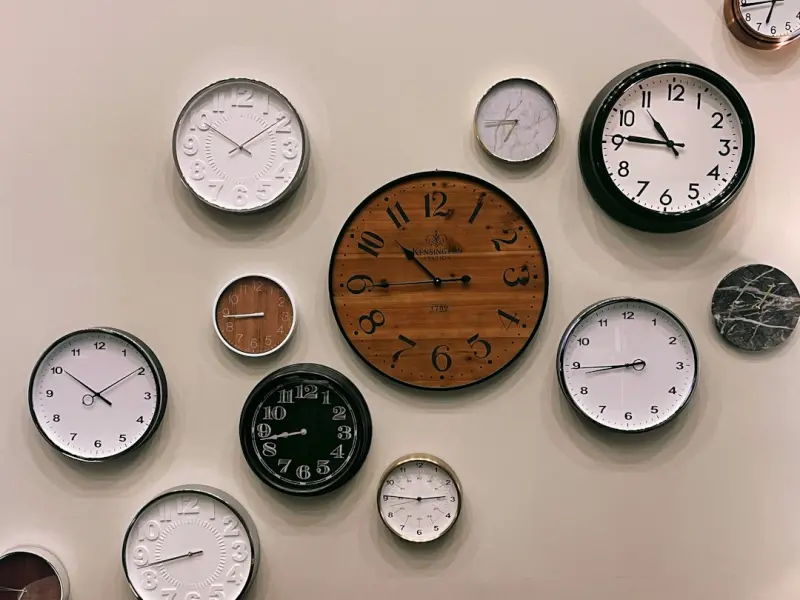
Rethinking the Narcoleptic Clock: From Disruption to Innovation
A personal and research‑backed guide shows how to view narcolepsy’s sleep patterns as a catalyst... Read More

Micro‑Rest Mastery: Turning Narcolepsy into a Workplace Superpower
A fresh look at narcolepsy shows how brief, intentional micro‑rests can reset the brain, spark cre... Read More

Turning Narcolepsy’s Micro‑Naps Into Daily Superpowers
Learn to harness micro‑naps for sharper focus, creative breakthroughs, and a healthier work‑life... Read More
Top Posts

Cold Exposure: The Underrated Secret to Men’s Health and Performance
Explore the science and practical steps behind using cold exposure to improve men’s vitality, hormone balance, and mental resilience....Read More

Flavor Chemistry: How Food Pairings Unlock Hidden Nutrients
Explore the science behind food pairings, from black pepper boosting turmeric’s benefits to vitamin C enhancing iron absorption, and learn practical tips to...Read More
Quiet Power: Breath, Food & Tech to Tame Blood Pressure
Learn how three simple habits—conscious breathing, daily fermented foods, and mindful screen use—can synergistically lower blood pressure, offering a low‑...Read More

Beyond Muscles: Building Emotional Strength for Modern Men
A fresh look at men's health that goes beyond physical training, exploring emotional fitness, narrative breathing, gut health, and community to build lasting re...Read More
0 Comments
Post Comment
You will need to Login or Register to comment on this post!