
Managing Blood Pressure: A Holistic Approach to Wellness
As someone who has personally struggled with high blood pressure, I understand the importance of managing this condition to prevent long-term damage to our bodies. High blood pressure, also known as hypertension, is a silent killer that can lead to heart disease, stroke, and kidney disease if left unchecked. In this article, I will share my journey and provide a holistic approach to managing blood pressure, including lifestyle changes, dietary modifications, and stress-reducing techniques.
The Connection Between Physical and Mental Health
It's essential to recognize that managing blood pressure is not just about physical health but also mental well-being. The connection between physical and mental health is complex, and stress, anxiety, and depression can all contribute to high blood pressure. By addressing these underlying mental health issues, we can better manage our blood pressure and overall health. For instance, practicing mindfulness and meditation can help reduce stress and anxiety, which can, in turn, help lower blood pressure.
Lifestyle Changes for Managing Blood Pressure
Making lifestyle changes can seem daunting, but small steps can add up over time. One of the most effective ways to manage blood pressure is through regular exercise. The transformative power of exercise is well-documented, and activities like walking, swimming, and cycling can help lower blood pressure and improve overall cardiovascular health. Additionally, getting enough sleep, quitting smoking, and reducing sodium intake can all contribute to better blood pressure management. For example, the American Heart Association recommends that adults aim for at least 150 minutes of moderate-intensity aerobic exercise per week.
Dietary Modifications for Blood Pressure Management
Diet plays a significant role in managing blood pressure, and making informed food choices can help lower blood pressure and improve overall health. The DASH diet, which is rich in fruits, vegetables, and whole grains, has been shown to be effective in lowering blood pressure. Increasing potassium intake through foods like leafy greens, bananas, and sweet potatoes can also help balance sodium levels and lower blood pressure. On the other hand, consuming high amounts of processed and packaged foods, which are often high in sodium and added sugars, can exacerbate high blood pressure.
The Role of Stress Reduction in Blood Pressure Management
Stress is a significant contributor to high blood pressure, and finding healthy ways to manage stress is crucial. Techniques like deep breathing, yoga, and meditation can help reduce stress and anxiety, which can, in turn, help lower blood pressure. The unspoken truth about mental health is that it's just as important as physical health, and addressing underlying mental health issues can have a significant impact on blood pressure management. For instance, studies have shown that regular mindfulness practice can help reduce symptoms of anxiety and depression.
The Importance of Monitoring and Tracking Blood Pressure
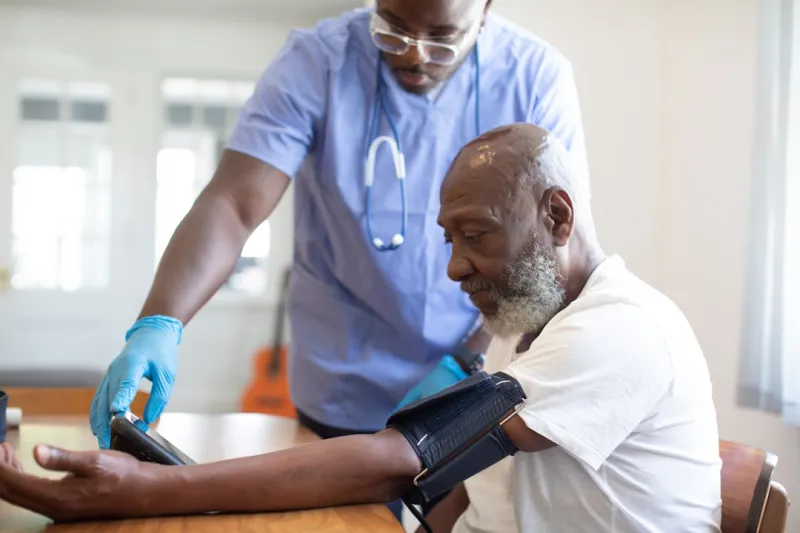
Monitoring and tracking blood pressure is essential for managing this condition. Regular blood pressure checks can help identify any changes or patterns, allowing for timely interventions. Home blood pressure monitors can be a useful tool for tracking blood pressure and identifying any potential issues. It's also essential to work with a healthcare provider to develop a personalized plan for managing blood pressure.
Prediabetes and Blood Pressure Management
Prediabetes is a condition that can increase the risk of developing type 2 diabetes and high blood pressure. Prediabetes can be a wake-up call for making healthier lifestyle choices, including dietary modifications and increased physical activity. By addressing prediabetes and making positive changes, individuals can reduce their risk of developing high blood pressure and other related health issues. For example, losing weight and increasing physical activity can help improve insulin sensitivity and reduce blood pressure.
Conclusion
Managing blood pressure requires a holistic approach that incorporates lifestyle changes, dietary modifications, and stress-reducing techniques. By addressing underlying mental health issues, making informed food choices, and finding healthy ways to manage stress, individuals can better manage their blood pressure and overall health. Remember, small steps can add up over time, and working with a healthcare provider can help develop a personalized plan for managing blood pressure.
Take Control of Your Blood Pressure Today
Don't wait until it's too late to take control of your blood pressure. By making a few simple changes to your lifestyle and diet, you can reduce your risk of developing high blood pressure and related health issues. Start by talking to your healthcare provider, making healthy food choices, and finding healthy ways to manage stress. With time and effort, you can take control of your blood pressure and improve your overall health and well-being.

Kelly Reynolds is a dynamic freelance writer hailing from the picturesque landscapes of Alberta. A master of the written word, she juggles her passion for storytelling with the exhilarating chaos of being a mother to five spirited children. With an impressive portfolio that spans various genres, Kelly captivates readers through her engaging blog posts and thought-provoking articles.
Related Posts

Sync Your Body Clock to Calm Blood Pressure
A practical guide reveals how syncing your circadian rhythm, incorporating micro‑movement breaks, ... Read More
Quiet Levers: Micro‑Habits to Naturally Lower Blood Pressure
A deep dive into subtle, everyday adjustments—from soundscapes and lighting to brief cold exposure... Read More
Mastering Blood Pressure Naturally
A personal, holistic guide to controlling blood pressure through diet, exercise, stress management, ... Read More
Top Posts

Finding Calm in the Canopy: Natural Healing for Seniors
Discover the restorative power of forest bathing and sensory gardens for seniors, offering simple steps to integrate nature into daily routines for better physi...Read More
Digital Boundaries: Reclaiming Food Freedom in the Age of Social Media
In a world where every scroll can trigger anxiety, I share how digital boundaries became my most powerful tool for healing an eating disorder and building a sus...Read More

Reimagining Home Spaces: How Environment Shapes Vitality in Later Life
A fresh look at how intentional home design, subtle sensory cues, and smart technology can transform everyday spaces into allies for healthy aging, enhancing sa...Read More

Nighttime Detox: Harnessing Sleep, Skin, and Breath for Deep Cellular Cleansing
Unlock the hidden power of nighttime detox with sleep‑driven hormone balance, skin‑renewal rituals, breathwork, and smart hydration—turn your bedroom into...Read More
0 Comments
Post Comment
You will need to Login or Register to comment on this post!