
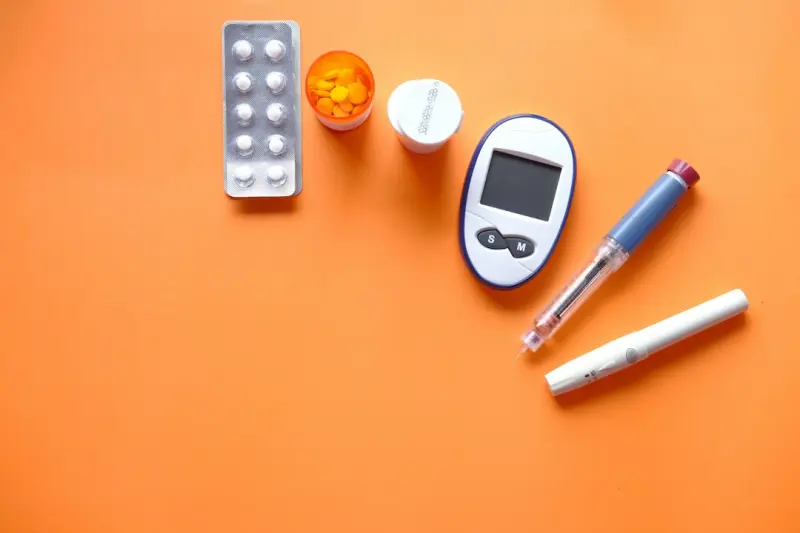
When I first started tracking my own glucose numbers, I thought the answer would be a rigid diet plan or a fancy gadget. What I discovered instead was a surprisingly simple trio of daily habits that don’t require calorie counting, apps, or expensive supplements: intentional hydration, mindful exposure to natural light, and genuine social connection. These aren’t the buzz‑worthy “intermittent fasting” or “low‑carb” trends that dominate headlines—they’re quiet, everyday actions that anyone can weave into a busy schedule. In this post I’ll walk you through why these three pillars matter, how to implement them without over‑complicating your life, and a practical seven‑day starter plan that feels more like a gentle guide than a strict regimen.
1. Water: The Unsung Regulator of Glucose
Most of us hear about water for skin, digestion, and kidney health. What many don’t realize is that proper hydration directly influences how our bodies process sugar. When you’re dehydrated, blood becomes more concentrated, which can cause glucose readings to spike artificially. Moreover, water is a critical component of the biochemical pathways that shuttle glucose into cells for energy.
How it works: Insulin, the hormone that moves glucose from your bloodstream into cells, is a protein that needs adequate fluid to travel efficiently. Even mild dehydration can impair insulin’s ability to bind to its receptors, leading to temporary insulin resistance.
Practical tip: Aim for a baseline of 1.5 L of water per day (about 6–8 cups), then add an extra 250 ml for every 30 minutes of moderate exercise. The easiest way to track this without an app is to keep a reusable bottle at your desk, refill it at set intervals, and use visual cues—like a small sticker on the bottle for each 250 ml you finish.
2. Light: Harnessing Sun’s Metabolic Boost
We often think of sunlight as a mood enhancer, but it also plays a subtle role in glucose regulation. Exposure to natural light, especially in the morning, helps set our circadian rhythm, which governs hormone release—including cortisol and melatonin. A well‑aligned circadian clock optimizes insulin sensitivity throughout the day.
The science in a nutshell: When you get bright light within the first two hours after waking, your body’s internal clock tells the pancreas to be ready for the day’s fuel intake. Skipping this “light reset” can blunt insulin response, making even a balanced breakfast feel heavier on the glucose meter.
How to add more light without a “sun worship” ritual:
- Open your blinds as soon as you get up—no need for a sunrise alarm.
- Take a 5‑minute “sun break” on your balcony or near a window during mid‑morning.
- If you work in a windowless office, consider a light therapy lamp set to 10,000 lux for 10–15 minutes; just be sure it mimics natural daylight rather than a harsh fluorescent glow.
3. Social Connection: The Emotional Buffer Against Sugar Swings
Stress is a well‑known driver of blood‑sugar spikes. While meditation and breathing exercises are common stress‑busting tools, the power of genuine human connection often gets overlooked. When you share meals, goals, or even a quick laugh with a friend, your body releases oxytocin, a hormone that can dampen cortisol spikes and improve insulin sensitivity.
One study showed that participants who ate meals with a supportive companion had lower post‑meal glucose excursions than those who ate alone, even when the meals were identical. The takeaway? A simple conversation can be as effective as a supplement in smoothing glucose curves.
Ways to weave connection into your routine:
- Schedule a “walk‑and‑talk” with a coworker during lunch—no gym required.
- Join a local hobby group (book club, gardening, or craft circle) that meets weekly.
- Set up a virtual “check‑in” with a family member for a quick 5‑minute health update.
4. Putting the Pieces Together: A 7‑Day Starter Blueprint
Below is a low‑key plan that blends these three pillars. Feel free to swap days or adjust the timing to fit your personal rhythm. The goal is consistency, not perfection.
| Day | Hydration | Light | Social |
|---|---|---|---|
| Monday | Start with 250 ml of water before coffee; finish 2 L by evening. | Open blinds, sit by a sunny window for 10 min after waking. | Lunch walk with a colleague. |
| Tuesday | Carry a marked bottle; sip every 30 min. | Morning “sun break” on balcony (5 min). | Evening video call with a friend—share one health win. |
| Wednesday | Infuse water with cucumber or mint for flavor (no sugar). | Use a light therapy lamp for 10 min before work. | Attend a local community class (yoga, pottery). |
| Thursday | Drink a glass of water before each meal. | Take a short walk outside during mid‑morning break. | Host a quick “healthy snack” swap with a neighbor. |
| Friday | Replace one sugary beverage with sparkling water. | Sunlight exposure during commute—step out of the car for a minute. | Family dinner—focus on conversation, not screens. |
| Saturday | Start the day with a large glass (500 ml) of water. | Spend 15 min gardening in sunlight. | Group hike or park picnic with friends. |
| Sunday | Track total intake; aim for 2 L + extra if active. | Morning meditation near a sunny window. | Plan next week’s social health check‑ins. |
Notice that the plan doesn’t dictate what you eat, how many carbs you consume, or when you should measure glucose. Instead, it creates an environment where your body can naturally handle the fuel you provide.
5. Why This Approach Stands Apart
Some of our recent posts, such as Beyond the Plate, explore the influence of rhythm and rest on glucose. While that piece delves deep into sleep timing and circadian alignment, this article zooms in on the three most accessible levers that most readers can act on immediately—water, light, and people. It’s a complementary angle, not a repetition.
Similarly, the gut‑centric piece Listening to Your Gut tackles microbiome‑driven nutrition. Our focus here is on external, non‑dietary factors that still have a measurable impact on insulin dynamics, offering a “holistic but practical” toolkit.
6. Troubleshooting Common Hurdles
“I forget to drink water.” Keep a bottle on every surface you use—desk, nightstand, kitchen counter. The visual cue is more effective than a reminder app.
“I work in a windowless office.” A compact light therapy lamp can mimic sunrise. Position it on your desk and turn it on for the first 10 minutes of your workday.
“I’m an introvert; socializing feels draining.” Connection doesn’t have to mean large groups. A brief, meaningful check‑in with a trusted friend or family member can trigger the same oxytocin release as a larger gathering.
7. Scaling Up: When You’re Ready for More
If you find the three pillars helpful and want to layer additional strategies—like targeted nutrition tweaks or timed exercise—consider integrating them slowly. The strength of this approach lies in its simplicity; piling on too many changes at once can backfire and lead to burnout.
Once you’re comfortable with consistent hydration, light exposure, and social interaction, you might explore:
- Adding a brief post‑meal walk (10 minutes) to aid glucose uptake.
- Experimenting with low‑glycemic snack combos (protein + healthy fat) when you feel cravings.
- Using a discreet continuous glucose monitor (CGM) for data‑driven fine‑tuning—only if you’re curious about deeper insights.
Remember, the goal isn’t perfection; it’s creating a resilient foundation that supports your body’s natural ability to regulate sugar. When those foundations are solid, any additional tactics become easier to adopt and more likely to stick.
8. A Personal Note from My Journey
My own turning point came when I realized I was consistently forgetting to hydrate during back‑to‑back meetings. My glucose readings would wobble, and I’d blame the “carb‑rich lunch” without noticing the underlying dehydration. By placing a water bottle on my conference table and making a habit of a 5‑minute window‑light break before each meeting, my numbers steadied within weeks. The ripple effect was unexpected: I felt more focused, less jittery, and even my mood lifted—proof that these micro‑adjustments can cascade into broader wellness gains.
If you’re skeptical, try the 7‑day blueprint. Track your glucose readings (even just a few times a week) and note how you feel. You may discover that the most profound changes come not from a new diet plan but from a simple glass of water, a splash of sunshine, and a genuine conversation.
Here’s to making those tiny, intentional moves that add up to big, sustainable health victories.

Deb Roberts is a freelancer who writes on various subjects, bringing versatility and depth to her work. Alongside her broad writing expertise, she has a special passion for horses.
Related Posts
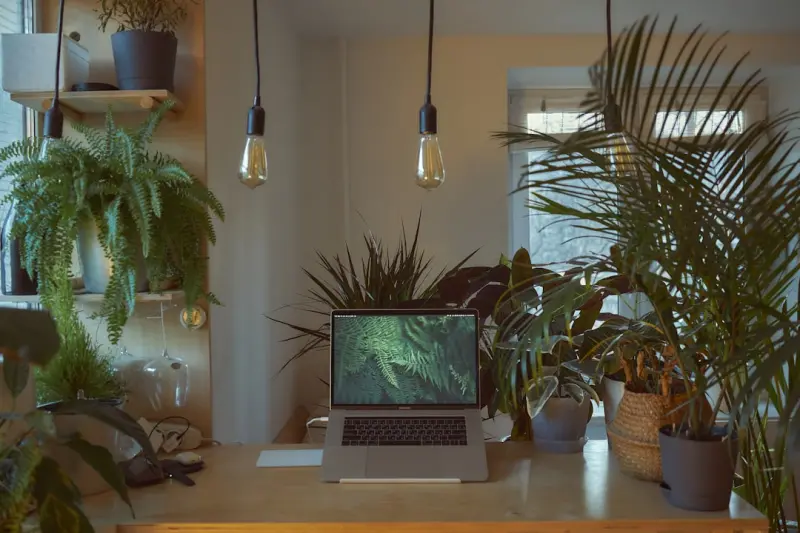
The Hidden Climate of Your Office: How Light, Temperature, and Sound Influence Blood Sugar
A practical guide showing how subtle changes to office lighting, temperature, and background sound c... Read More

Mastering Blood Sugar: A Holistic Blueprint for Stable Glucose
Learn how to stabilize glucose naturally through mindful eating, strategic movement, stress reductio... Read More
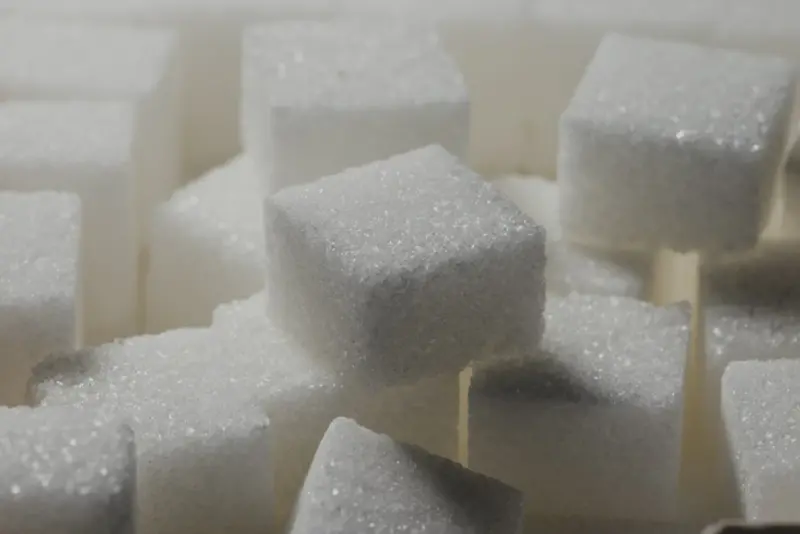
Turning Blood Sugar Into a Strategic Asset for High‑Performers
Learn to treat glucose as a real‑time performance metric, align meals with stress cycles, and time... Read More
Top Posts

Nourishing Your Body: A Holistic Approach to Everyday Nutrition
Explore a holistic nutrition roadmap that blends mindful eating, whole foods, and strategic timing to empower busy individuals seeking lasting health and vitali...Read More

The Quiet Power of Skin‑to‑Skin: Rethinking Infant Health From the First Touch
A deep dive into why uninterrupted skin‑to‑skin contact is a cornerstone of infant health, outlining its physiological, microbial, and emotional benefits wh...Read More

Breathing New Life into Blood Pressure: A Workplace‑Centric Blueprint
A personal experiment shows how simple adjustments to office temperature, lighting, posture, nutrition, and digital flow can collectively reduce systolic pressu...Read More

When Sleep Becomes Canvas: Turning Narcolepsy into a Creative Superpower
Learn to transform narcolepsy’s sudden REM intrusions into a wellspring of creative ideas, using micro‑naps, dream journaling, and tech tools to boost artis...Read More
0 Comments
Post Comment
You will need to Login or Register to comment on this post!