

The Quiet Power of Skin‑to‑Skin: Rethinking Infant Health From the First Touch
When a newborn first emerges into the world, the most immediate need is often thought to be feeding, sleep, and a safe environment. Yet there is a subtler, profoundly transformative practice that many modern parents overlook: uninterrupted skin‑to‑skin contact. I’ve spent the past decade watching families navigate the chaotic first months, and the evidence keeps pointing back to this ancient ritual as a cornerstone of infant health, immune resilience, and emotional stability.
Why Touch Matters More Than We Realize
Human beings are wired for tactile connection. From the moment we feel the pressure of a mother’s belly, our nervous system is primed to interpret touch as safety. In the first weeks of life, this programming is at its most malleable. When a baby is placed directly on a caregiver’s bare chest, a cascade of physiological events unfolds:
- Thermoregulation: The baby’s body temperature stabilizes within minutes, reducing the energy cost of keeping warm and allowing more calories to be allocated to growth.
- Heart‑rate synchronization: The infant’s heart rhythm aligns with the caregiver’s, promoting vagal tone that underpins stress reduction.
- Hormonal harmony: Oxytocin surges in both infant and adult, fostering bonding and dampening cortisol spikes that can interfere with sleep and digestion.
- Microbial exchange: The infant’s skin microbiome begins to mirror the caregiver’s, seeding a diverse community that later educates the gut immune system.
These mechanisms are not merely comforting; they lay the groundwork for long‑term health outcomes, including lower rates of respiratory infections, improved weight gain trajectories, and more stable mood regulation.
From Theory to Practice: Integrating Skin‑to‑Skin Into Daily Routines
Many new parents assume that skin‑to‑skin is a “special occasion” practice—something to be done only in the hospital or during feeding. In reality, it can be woven into almost any moment:
- Morning wake‑up: Before the first diaper change, hold the baby upright against your chest for five minutes while you sip your coffee. This gentle start resets both circadian rhythms.
- Post‑bath calm: Instead of wrapping the infant in a towel and moving to a separate area, keep them on your chest while you finish drying. The warmth of the water combined with the contact creates a soothing transition.
- Night‑time check‑ins: When you need to change a diaper in the middle of the night, keep the lights dim and hold the baby skin‑to‑skin for a minute before the quick change. This minimizes the “startle” response that can disrupt sleep cycles.
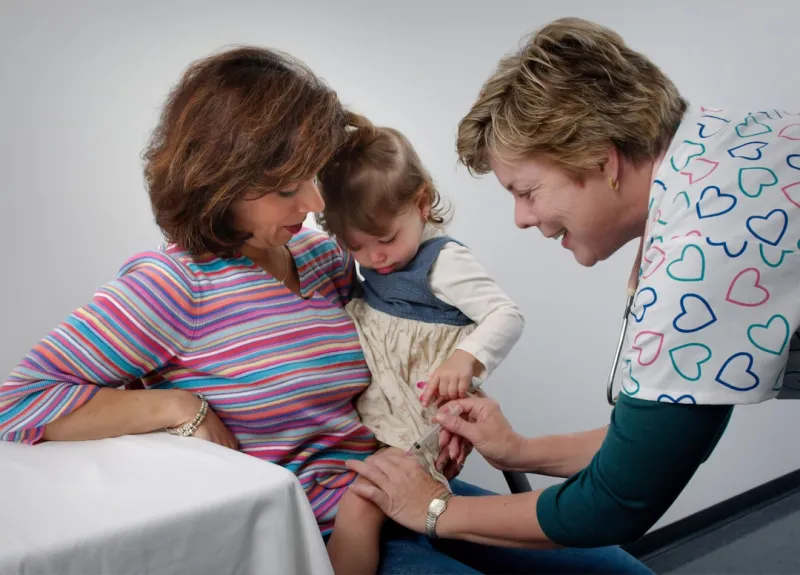
- During medical appointments: If the clinic permits, bring a lightweight blanket and continue skin contact while the pediatrician conducts routine checks. The baby remains in a familiar sensory cocoon, reducing stress hormones.
The key is consistency, not duration. Even brief, repeated sessions accumulate benefits over weeks and months.
Supporting the Immune System From the Outside In
One of the most compelling arguments for skin‑to‑skin comes from its impact on the infant’s developing immune system. The first months are a critical window where the body learns to differentiate friend from foe. A study published in Neonatal Immunology showed that infants who received at least two hours of daily skin contact in the first two weeks had a 30% reduction in hospital‑admitted respiratory infections compared to those who did not.
This protection is partially mediated by the microbiome. When a baby’s skin is exposed to the adult’s microbial flora, beneficial bacteria such as Staphylococcus epidermidis colonize the infant’s epidermis. These microbes produce antimicrobial peptides that act as a first line of defense against pathogens. In turn, a healthier skin microbiome feeds the gut microbiome through the “skin‑gut axis,” a bidirectional communication pathway that shapes immune tolerance.
For parents curious about nutrition’s visual cues, the exploring nutrition's visual cues article offers insight into how early exposure to a spectrum of colors can prime taste preferences and support a diverse gut flora.
Emotional Development: The Hidden Benefit
Beyond the physical, touch is a language of emotion. Newborns are not yet verbal, but they quickly learn to interpret the rhythm of a caregiver’s heartbeat, the rise and fall of breath, and the subtle pressure of a hug. These cues lay the foundation for attachment security, a predictor of later social competence.
Secure attachment isn’t just a feel‑good concept; it correlates with lower incidence of anxiety disorders, improved executive function, and healthier peer relationships in school years. The early oxytocin surge from skin‑to‑skin helps sculpt neural pathways that regulate stress responses, making the infant less reactive to everyday challenges.
Addressing Common Concerns
Many parents worry that constant skin contact might interfere with other care tasks or that it’s uncomfortable for caregivers. Here are practical solutions:
- Temperature control: Keep the room at a comfortable 72–74°F (22–24°C). If you tend to feel cold, wear a light, breathable shirt and add a thin blanket over your torso, leaving the chest exposed.
- Clothing choices: Opt for soft, stretchable fabrics that move with you. A well‑fitted, breathable t‑shirt eliminates the need for a bulky shirt that can trap heat.
- Balancing independence: Skin‑to‑skin doesn’t replace the need for the baby to learn self‑soothing. Use it as a grounding technique, then transition to a crib or bassinet once the infant is calm.
- Partner involvement: Encourage both parents to engage. Studies show that fathers who practice skin‑to‑skin report heightened confidence in caregiving and a deeper emotional bond.
Integrating Technology Without Disruption
In today’s connected world, many families rely on monitors, apps, and wearables to track infant health. While technology offers valuable data, it can also create a barrier to the tactile experience. Here are ways to strike a balance:
- Limit screen time during contact: Keep phones and tablets out of reach while you’re holding the baby skin‑to‑skin. The focus should be on the sensory exchange.
- Use data to enhance, not replace, touch: If a wearable indicates a dip in heart‑rate variability, respond with a brief skin‑to‑skin session rather than immediately reaching for medication.
- Leverage remote support: Virtual lactation consultants can observe your skin‑to‑skin technique via video and provide real‑time feedback without breaking the connection.
The gut conversation article delves deeper into how these microbiome interactions influence overall performance, reinforcing the importance of nurturing that first microbial handshake.
From the Hospital to Home: Ensuring Continuity
Many hospitals now encourage “kangaroo care,” but the practice often dwindles once families return home. To preserve the momentum:
- Set a daily reminder: Write “skin‑to‑skin” on a whiteboard in the nursery.
- Create a ritual: Pair the contact with a soothing song or a particular lullaby that becomes a cue for calm.
- Track progress: Keep a simple log of minutes per day. Seeing the numbers grow can be motivating for both parents.
Remember, the goal isn’t perfection but consistency. Even a handful of minutes each day can compound into measurable health benefits.
Conclusion: A Simple Gesture With Far‑Reaching Impact
Infant health is often framed in terms of vaccines, nutrition, and sleep schedules. While those are undeniably important, we must not underestimate the power of a simple, deliberate touch. Skin‑to‑skin is a low‑cost, high‑return practice that nurtures thermoregulation, hormonal balance, microbial diversity, and emotional security—all pillars of a thriving infant.
As we continue to innovate in pediatric care, let’s also honor the timeless wisdom that a caregiver’s heartbeat, warmth, and steady presence can be the most potent medicine we have.

Tom Ferguson is a Canadian freelance writer with a passion for storytelling, current events, and thoughtful commentary. Drawing on years of writing experience, he shares engaging insights on a wide range of topics, bringing a uniquely Canadian perspective to his work.
Related Posts

Holistic Hacks for Thriving Infants: A Modern Parent’s Guide
A dad’s fresh perspective on infant health, blending science with soul. Learn gut‑boosting foods... Read More
The Intersection of Infant Health and Preventive Care: A Comprehensive Approach
The early years of a child's life are crucial in shaping their future wellbeing. A comprehensive app... Read More

Calming Aromas: How Natural Scents Support Infant Health and Development
Explore the science behind scent and infant development, learn safe aroma choices, and integrate sim... Read More
Top Posts

Harnessing Sleep Terrors as a Strategic Performance Tool
Sleep terrors aren’t just night‑time nightmares; they’re data points that can boost resilience and performance. Learn a three‑step framework to turn the...Read More

Curiosity as a Catalyst: Rewiring Your Brain for Joyful Mental Health
Learn to use curiosity as a daily mental‑health tool, turning rumination into discovery and enriching relationships through mindful questioning....Read More

Tom Ferguson’s Holistic Fitness Playbook for 2024
Tom Ferguson shares a holistic fitness blueprint that blends movement, nutrition, sleep, mindset, and community support, offering a sustainable, science‑backe...Read More

The Unseen Struggle: Women's Mental Health in Modern Society
Women's mental health is a critical issue that affects us all. Learn how to prioritize self-care, seek support, and promote education and awareness to create a ...Read More
0 Comments
Post Comment
You will need to Login or Register to comment on this post!